New research led by Helmholtz-Zentrum Hereon finds that marine heat waves can increase CO2 uptake in cold coastal and shelf seas by about 11%. In polar and subpolar margins, heat waves can shrink sea ice and expand open-water area by up to 30%, boosting gas exchange and phytoplankton-driven carbon drawdown. The team used models and datasets from 1985–2020 but cautions that it is unclear whether this mechanism will persist as heat waves intensify. Further study is needed to refine climate projections.
Surprising Effect: Marine Heat Waves Can Increase CO2 Uptake In Polar Coastal Seas
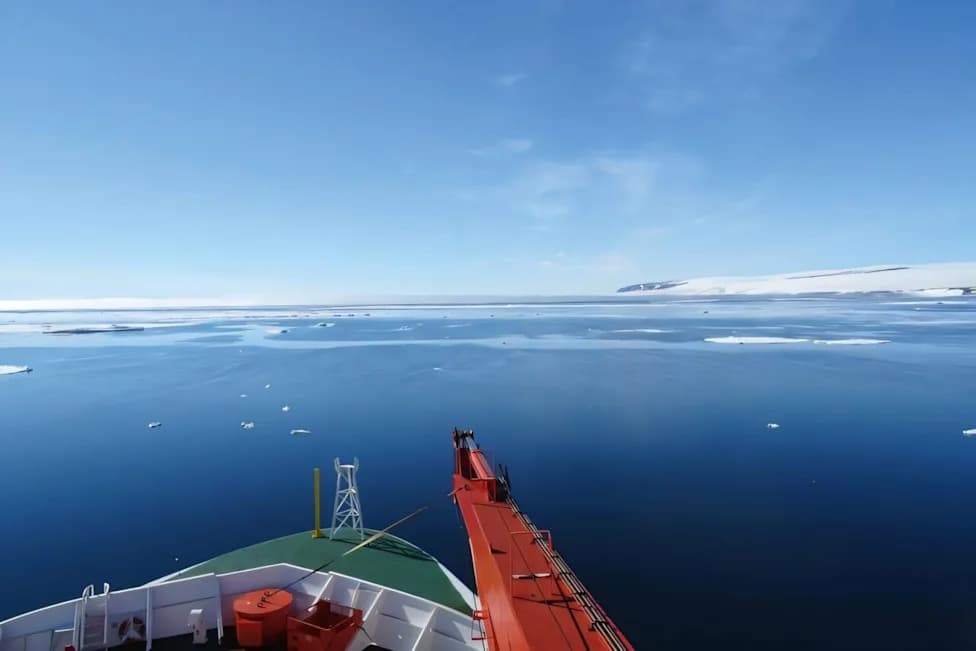
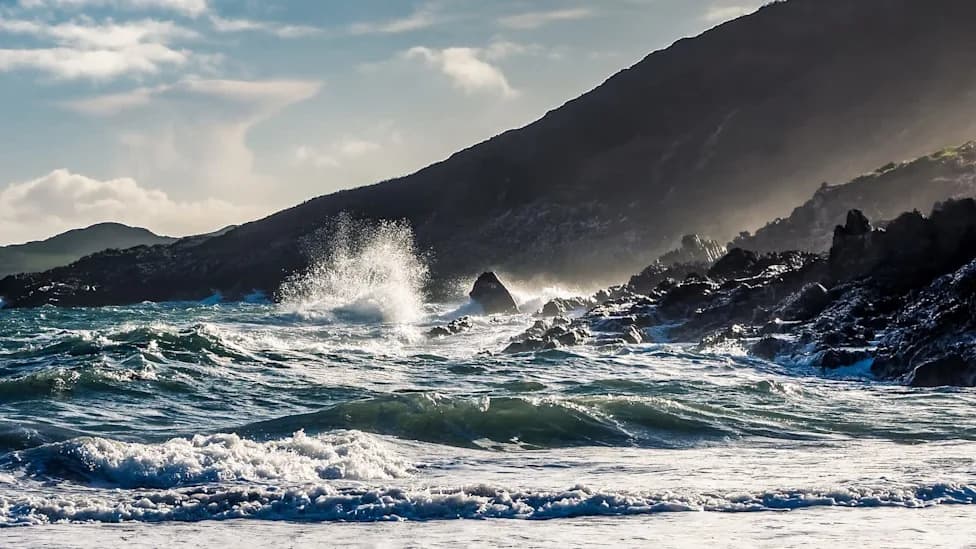
Photo Credit: Hanna Joerss/Helmholtz-Zentrum Hereon
Marine heat waves are usually seen as a sign of stress on Earth's natural systems. But a new global analysis indicates that in some of the coldest coastal waters, episodic warming can actually boost the ocean's uptake of carbon dioxide.
What the Study Found
An international team led by Helmholtz-Zentrum Hereon reports that marine heat waves increase CO2 uptake in coastal and shelf seas by about 11%. The research, published in Nature Communications, used advanced ocean models and observational datasets to compare coastal shelf seas with the open ocean over 1985–2020.
How Marine Heat Waves Are Defined
The researchers define a marine heat wave as a period of at least five consecutive days when seawater temperatures exceed the local 90th-percentile threshold calculated from a 30-year baseline. Such events can last from several days to many weeks.
Why Cold Coastal Waters Respond Differently
In polar and subpolar shelf seas — for example along parts of the North Atlantic and the Northwest Pacific — heat waves can reduce sea ice cover and expose substantially more open water to the atmosphere. Although shelf seas account for only about 7% of global ocean area, in polar regions heat waves can expand open-water area by up to 30%. More open water increases opportunities for gas exchange between the ocean and atmosphere.
Less ice also allows more sunlight into surface waters, stimulating phytoplankton growth. These microscopic plants take up carbon through photosynthesis, lowering surface CO2 and thereby encouraging additional uptake from the air.
Methods And Caveats
The team combined models with global CO2 exchange datasets for coastal and shelf seas spanning 1985–2020 and compared these results with open-ocean observations. The authors emphasize uncertainty about the long-term persistence of this effect as marine heat waves become more frequent, intense, and prolonged under climate change. As co-author Dr. Wenyan Zhang noted, it remains unclear whether increased CO2 uptake in shelf seas will continue under future conditions.
Broader Context
The ocean's response to warming and pollution is complex. Other recent studies highlight risks and feedbacks that could offset or alter the net climate effects, including:
- Microplastics interfering with the ocean’s ability to store carbon.
- Warming-driven coral stress that could lead to major reef losses.
- Pollutant transfer such as PFAS moving from seawater into the atmosphere via ocean spray.
Viewed together, these findings show that shifts in ocean conditions can have cascading effects on marine ecosystems and the climate system. The new result — that marine heat waves may increase CO2 uptake in cold coastal regions — is significant but nuanced, and it underscores the need for further targeted observations and modeling.
Help us improve.