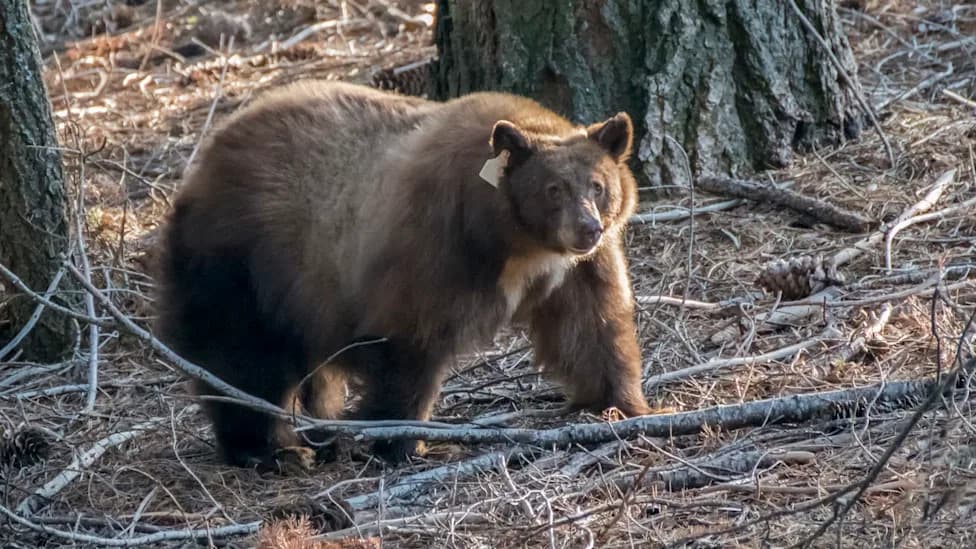
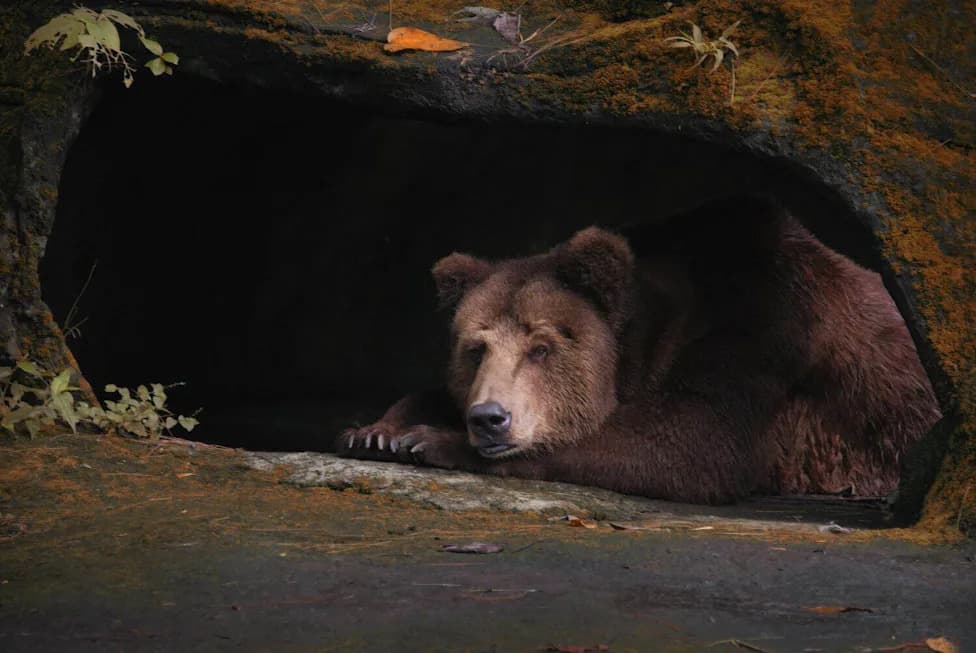
Black bear sightings rise in late spring and early summer because bears emerge from three to four months of hibernation hungry and often do not regain their normal weight until mid‑July. Mating season also drives males to travel farther, increasing encounters. Conservation successes and widespread motion‑activated cameras make visits more visible. Experts advise staying calm, not running, making yourself appear large, and using bear spray if needed; homeowners should secure trash, grills, and bird feeders to reduce conflicts.
Why Black Bear Sightings Spike in Summer — What You Need To Know
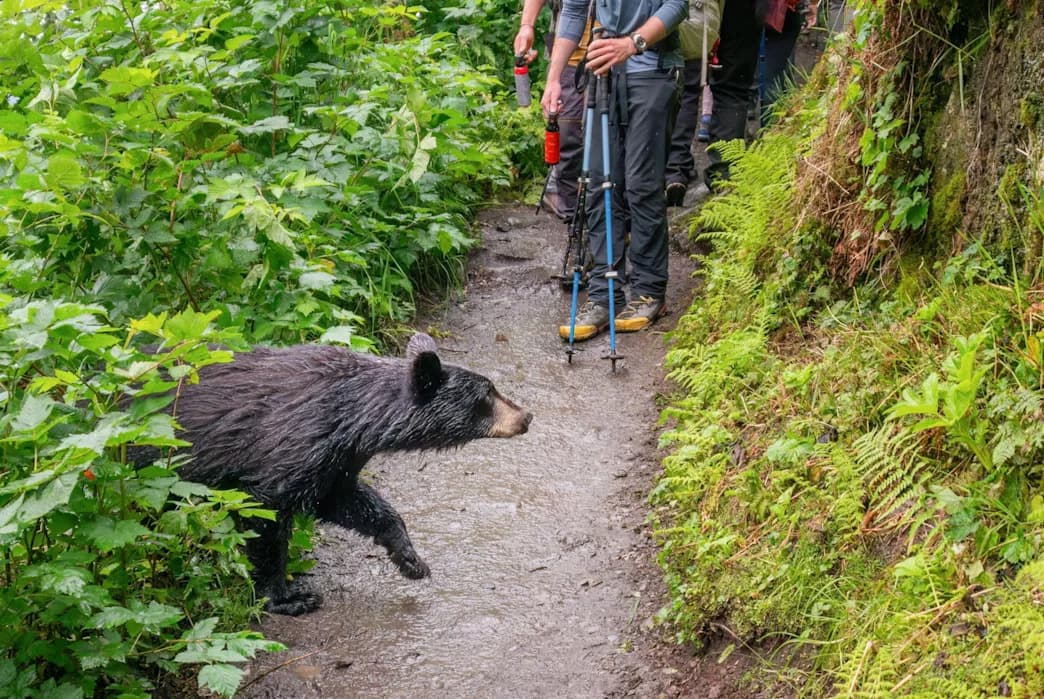
A bear walks out of a bush of red berries in Kenai Fjords National Park, Alaska. Spring and summer are critical times in the life cycles of black bears, as it's their primary season for finding food, mating, and raising cubs.Dark Horse / Alamy
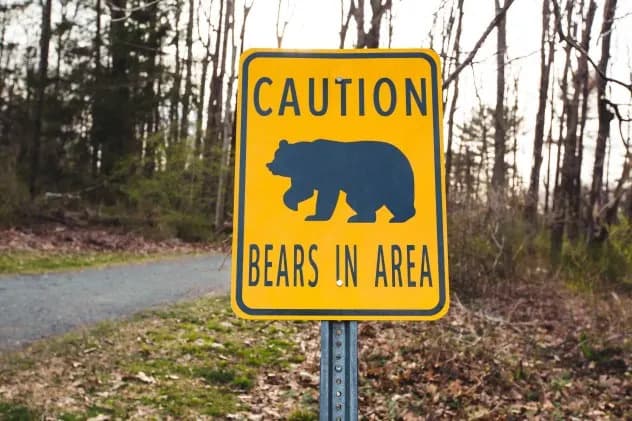
As spring gives way to summer, black bear sightings increase across the United States. After three to four months of hibernation, many bears emerge extremely hungry and motivated to rebuild fat reserves, which drives them into areas where people live.
Why Sightings Increase
Black bears lose a large portion of their energy stores during hibernation and often do not regain their baseline weight until mid‑July. Kari Kingery, wildlife program manager for the Confederated Salish and Kootenai Tribes, explains that bears wake from torpor with depleted energy and a strong need for calories.
“During hibernation, black bears are essentially in torpor or asleep for three to four months. But then they wake up, and their energy reserves are highly depleted, so they're very hungry.” — Kari Kingery
In addition to searching for calorie-rich foods, male bears can travel farther during mating season as they move from one female to another, increasing the chance of human encounters.
Population Recovery And Technology
American black bears are the most widespread of the three U.S. bear species, with a range from the Arctic Circle to central Mexico and an estimated U.S. population of more than 300,000. Conservation efforts — including funding mechanisms set up after the Pittman‑Robertson Act of 1937 — have helped restore bears to roughly 60% of their historic range after severe declines by 1900.
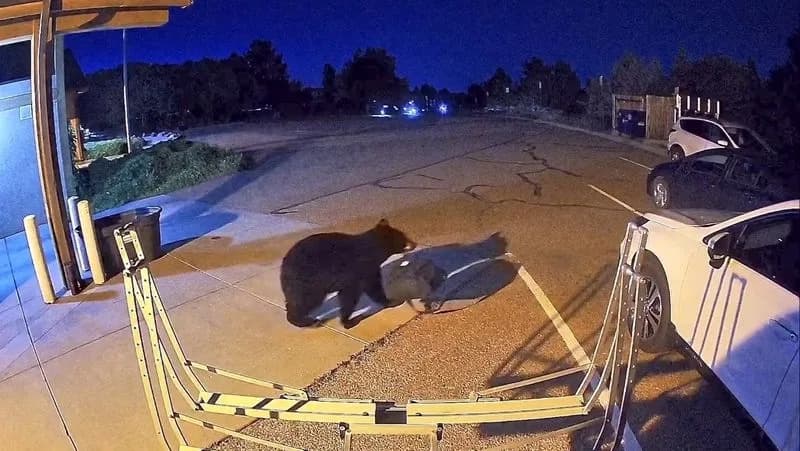
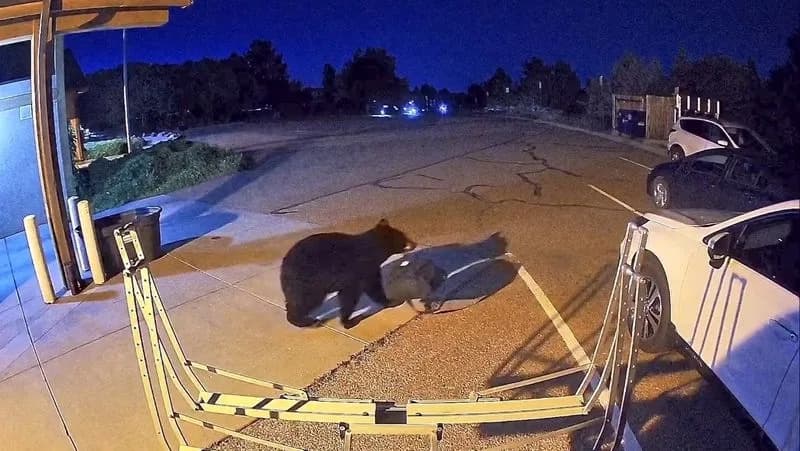
At the same time, motion‑activated cameras and doorbell-style home security devices have made brief backyard visits far more visible to people, so sightings feel more common even when bear numbers are stable or only slowly increasing.
How To Stay Safe During An Encounter
Experts emphasize calm and distance. Rae Wynn‑Grant, a wildlife ecologist and National Geographic Explorer, notes the difference between a simple sighting and an aggressive encounter: bears usually avoid people and do not view humans as prey.
“There’s a big difference between a bear being aggressive and a bear attack, because bears don’t want to fight.” — Rae Wynn‑Grant
Follow these guidelines if you encounter a black bear:
- Remain calm. Do not run; running can trigger a chase response.
- Make yourself appear large. Wave your arms, speak firmly, and slowly back away to increase distance.
- Use bear spray if the bear approaches. Deploy bear spray before the animal is within striking distance; the capsaicin cloud irritates the bear’s sensitive nose and eyes and can stop an approach.
Preventing Conflicts At Home
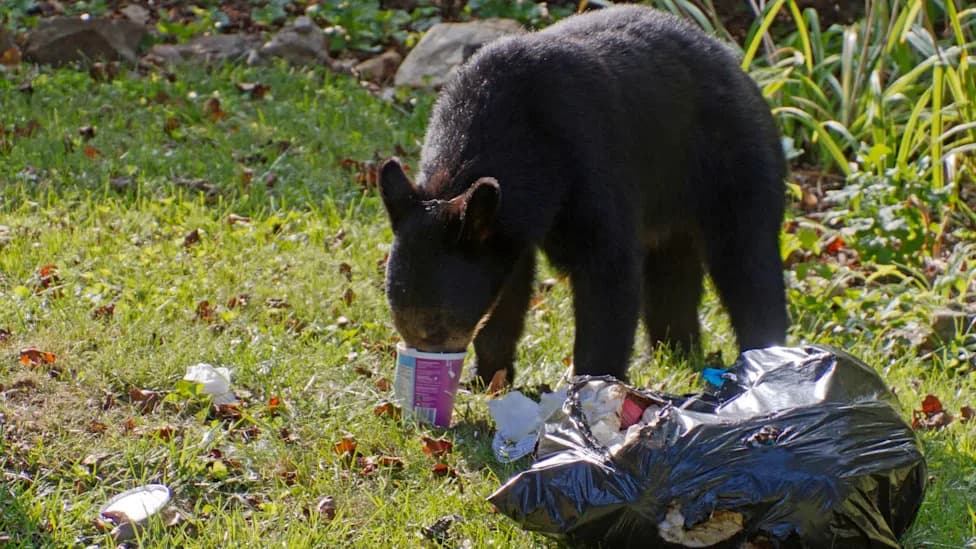
Reduce attractants around your property: secure garbage in bear‑resistant containers, clean grills after use, and avoid leaving pet food or bird seed outdoors overnight. Bird feeders can be particularly enticing because they offer concentrated calories — if you value bears staying away, consider removing feeders during peak activity months.
While large black bears can exceed 600 pounds, they are often quiet and nonconfrontational. With sensible precautions and the right response during an encounter, most visits end without incident.
Reporting and local wildlife guidelines vary by region — check with your state wildlife agency or tribal authority for location‑specific advice.
Jason Bittel is a National Geographic Explorer and the author of Grizzled: Love Letters to 50 of North America’s Least Understood Animals (National Geographic Books, 2026).
Help us improve.