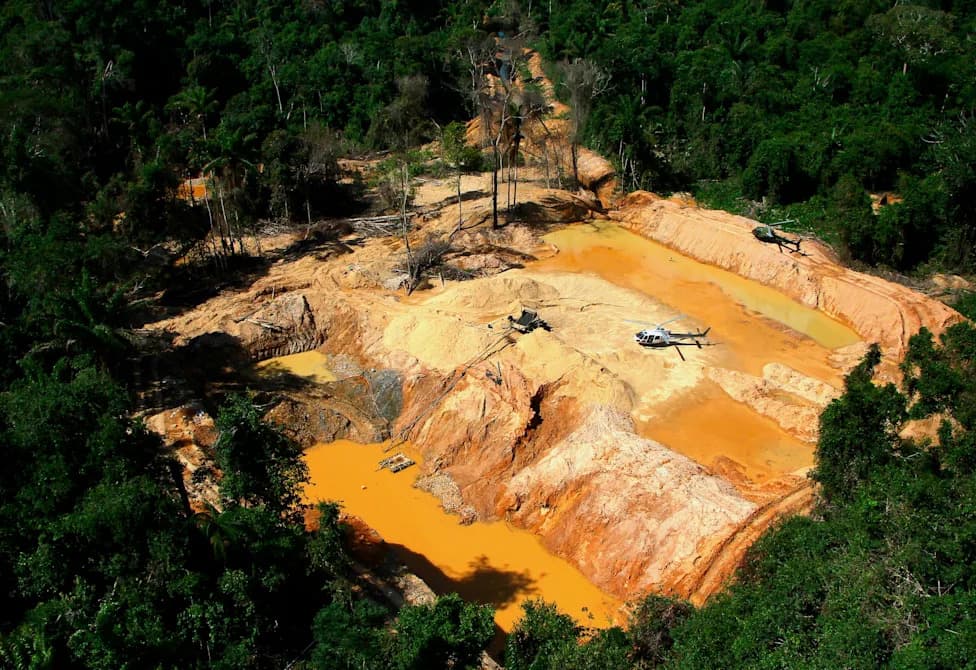
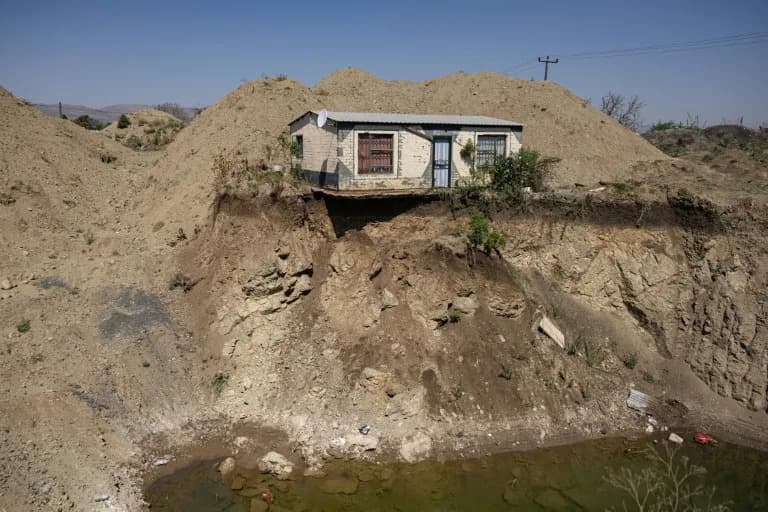
New University of Sheffield-led research finds mining in Africa causes far more forest loss than mine footprints indicate: each hectare of active mine corresponds to roughly 34 hectares of additional deforestation. From 2001–2020 mining was linked to about 187,000 hectares (over 462,000 acres) of forest loss. The study analyzed more than 16,000 sites and highlights cobalt and copper as major drivers. Authors warn that rising mineral demand could greatly increase environmental and social costs unless protections improve.
Study: Africa’s Mining Boom Is Driving Far More Forest Loss Than Mine Maps Reveal
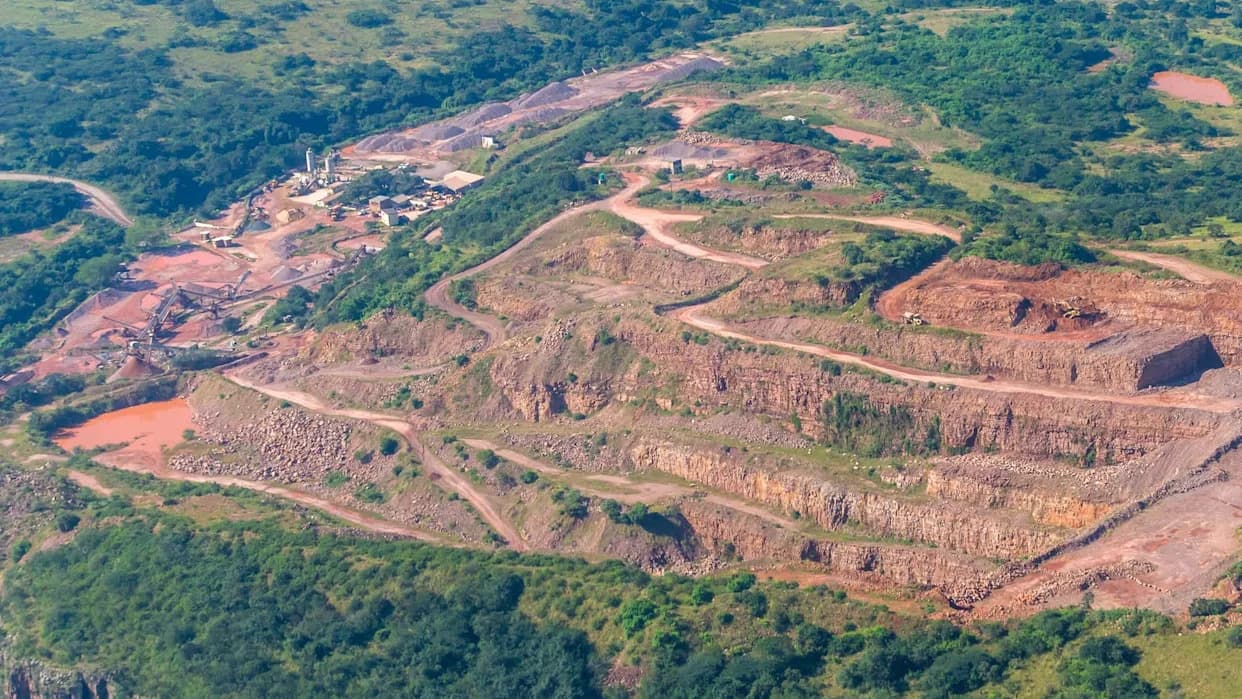
Photo Credit: iStock
New continent-wide research led by the University of Sheffield shows that mining in Africa is causing far more forest loss than the physical footprints of mine sites suggest. The study links active mine sites to extensive deforestation in surrounding landscapes, with serious consequences for communities that depend on forests for food, water and climate resilience.
Key Findings
The researchers found that every hectare (about 2.74 acres) of active mine site in Africa is associated with roughly 34 additional hectares (about 84 acres) of forest loss tied to supporting infrastructure and activities. Using satellite imagery and statistical modelling to compare mined areas with comparable non-mining regions, the team estimates that between 2001 and 2020 mining accounted for approximately 187,000 hectares (more than 462,000 acres) of forest loss — nearly twice the land area of Dallas, Texas.
The study reviewed more than 16,000 sites, from large multinational operations to small artisanal workings. Cobalt and copper operations were linked to the highest overall deforestation rates; gold, silver and iron mining were also associated with elevated forest loss.
How Mining Spreads Forest Loss
Much of the damage occurs outside mine boundaries. Roads, worker settlements, power lines and agricultural expansion created to support mining operations drive widespread forest clearance, fragment habitat and increase exposure to flooding and extreme heat. The knock-on effects also weaken local food systems and the water security that forests help provide.
Dr. Oscar Morton, co-lead author, said: "The actual mines themselves are just the tip of the iceberg. It's the extent of additional deforestation triggered by mining that is far greater, with new settlements, agriculture, and transport routes posing a serious threat to vital forests across the continent."
Morton added: "As demand for minerals continues to rapidly grow, it's crucial that robust measures are put in place to limit the extra deforestation caused by mining and its supply chains."
Why It Matters
Forests help safeguard water supplies, store carbon, protect biodiversity and sustain local livelihoods. When they are cleared or fragmented, the consequences fall disproportionately on households that rely directly on forest resources. The study also notes rising pressure on land: metal ore extraction in Africa has quadrupled since 1970, and demand for critical minerals could be up to 40 times higher by 2040 if current trajectories continue.
Policy Implications
The authors call for stronger protections and better planning to limit spillover deforestation from mining. Practical measures include improved environmental safeguards, integrated land-use planning, stronger community rights and monitoring of supply chains using satellite data. Without such measures, the environmental and social costs of mineral-driven development could grow far beyond the mapped mine footprints.
Note: Findings were reported with the support of the Institute of Materials, Minerals and Mining and are based on continent-wide satellite analysis and statistical controls to isolate mining-related impacts.
Help us improve.