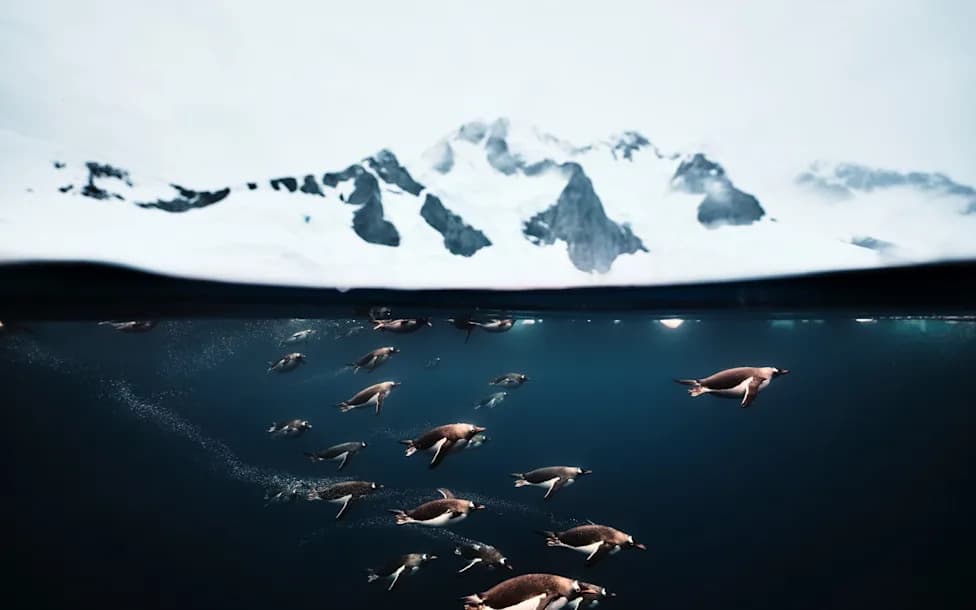
The 30x30 pledge has driven a rapid expansion of marine protected areas, but area alone does not guarantee conservation success. Nearly 10% of the ocean is designated as MPAs, yet only about 3.5% is fully or highly protected and at least half of MPAs remain unimplemented or inoperable. Achieving meaningful protection by 2030 requires investing in management plans, enforcement, monitoring, sustained financing and inclusive governance so MPAs deliver real ecological and social benefits.
30x30 Isn’t Just About Area: Why Ocean Protection Must Be Made Real
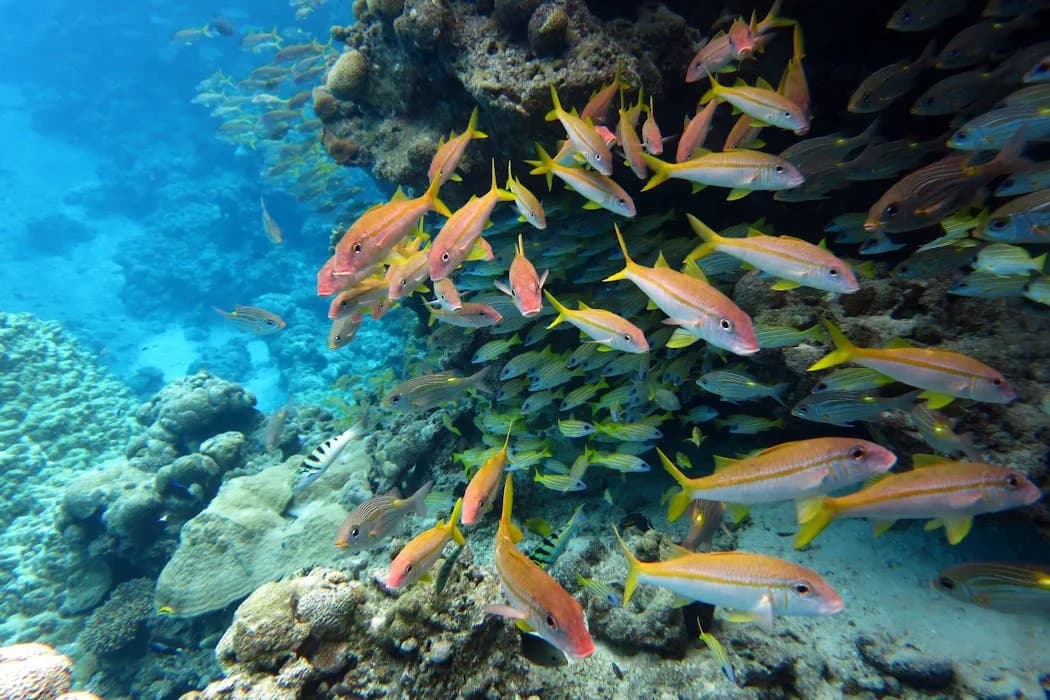
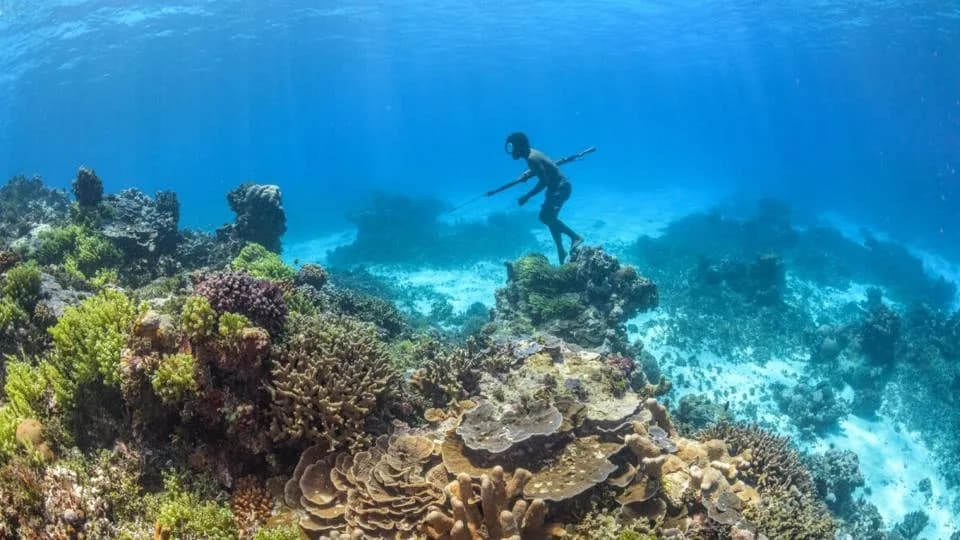
Rose Atoll Marine National Monument is a large marine protected area in American Samoa.Wendy Cover/NOAA
The ocean supports some of Earth’s richest biodiversity — from coral reefs and mangrove forests to the deep sea — and underpins coastal livelihoods, climate regulation and global food security. Yet marine systems face growing threats from overfishing, habitat loss, pollution and climate change.
In response, governments worldwide committed to the 30x30 goal: conserving at least 30% of the global ocean by 2030. That ambition has driven a rapid rise in marine protected area (MPA) designations. But declaring protection on a map is only the first step; the real test is whether protections are implemented, enforced and financed so they deliver benefits for nature and people.
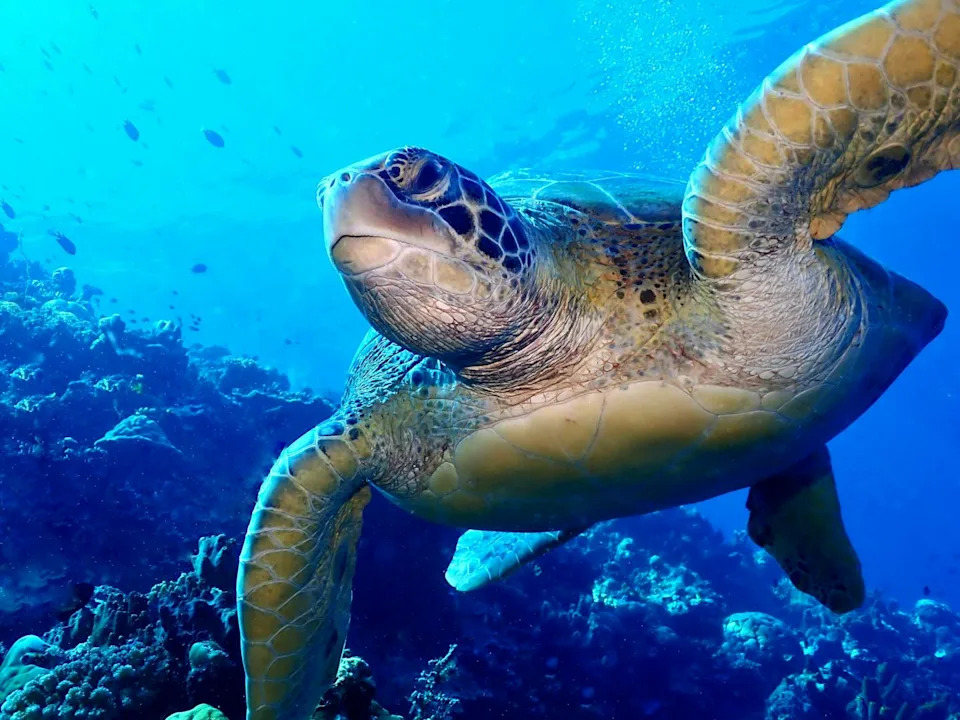
A sea turtle swims in Bunaken National Park, one of Indonesia’s first protected marine areas.Claus Giering/Unsplash,CC BY
Area Versus Effectiveness
Recent analyses from Oregon State University and the Smithsonian Tropical Research Institute provide a sober assessment of progress toward 30x30. Together they find that while MPAs now account for nearly 10% of the global ocean, only about 3.5% is fully or highly protected. Commitments announced at past Our Ocean Conferences contributed more than 3.88 million square miles (10 million km²) of MPAs — roughly 2.8% of the global ocean — illustrating that voluntary pledges can translate into area gains when progress is tracked and reported.
However, area alone is a poor measure of success: at least half of existing MPAs are unimplemented or inoperable, and some legal designations still allow destructive activities like bottom trawling.
What Effective Protection Requires
Turning area-based commitments into real conservation outcomes requires much more than legal designation. Essential elements include:
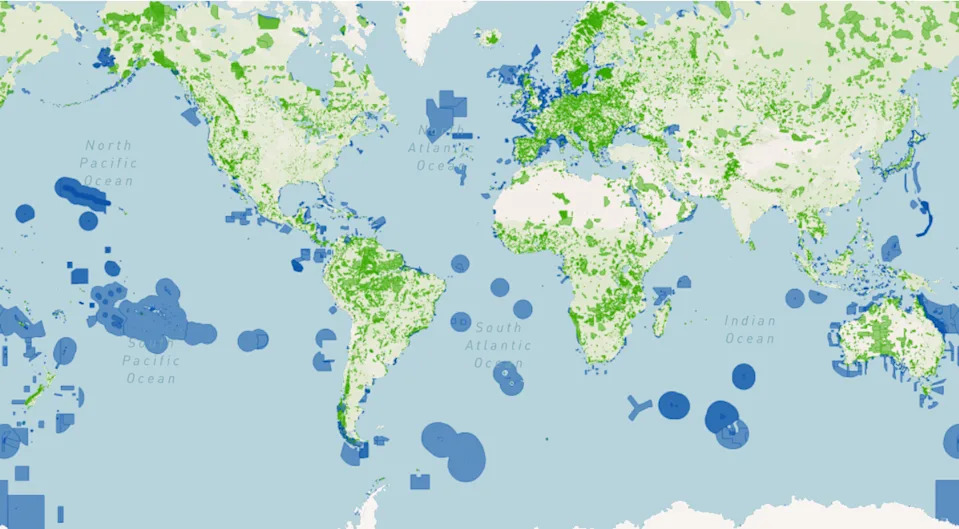
The World Database on Protected Areas maps both land and marine protected areas around the world. Marine protected areas are in blue.World Database on Protected Areas
- Clear management plans tailored to local ecology and livelihoods.
- Trained personnel and ongoing capacity development for managers, enforcement officers and community partners.
- Monitoring systems and data to track ecological and social outcomes.
- Enforcement capacity to prevent illegal exploitation.
- Sustainable financing that aligns with local priorities and reduces reliance on short-term grants.
- Inclusive governance that engages Indigenous peoples, local communities and stakeholders.
Barriers and Promising Solutions
The Smithsonian report highlights two key constraints: limited coordination on capacity development and the common use of one-size-fits-all solutions across diverse regions. Many countries remain committed but lack continuous governance systems, inclusive policymaking, adequate data and financing mechanisms suited to local realities.
There are positive examples. The Bali-based Coral Triangle Center’s capacity-building roadmap has trained over 8,200 government officials, community leaders and private-sector representatives in science-based conservation. The Sustainable Finance Coalition has mobilized more than US$43 million to support effective management of 170,500 acres (69,000 hectares) in Africa and the South West Indian Ocean.
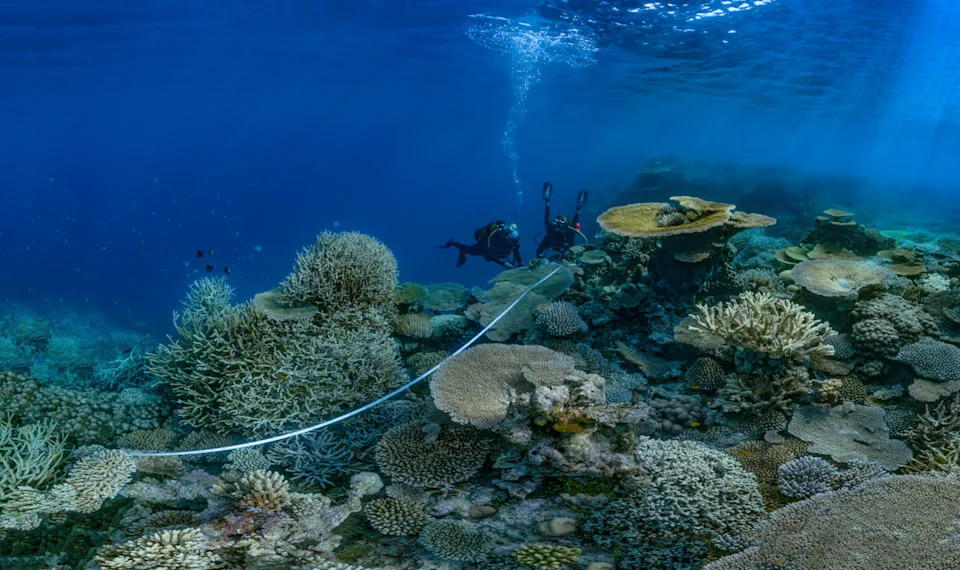
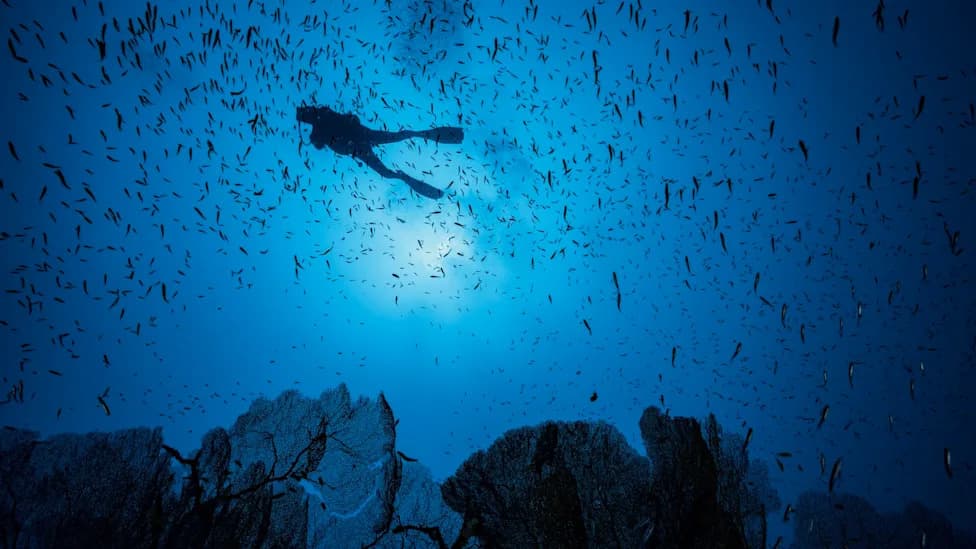
Divers from the Mayotte Marine Natural Park between Madagascar and mainland Africa check the health of a protected coral reef.Alexis Rosenfeld/Getty Images
From Momentum To Delivery
Political momentum for ocean protection is strong — governments, Indigenous peoples, local communities, scientists and conservation organizations have rallied around 30x30. The critical challenge now is converting that momentum into durable, well-managed and properly financed protected areas that actually deliver biodiversity protection, thriving ecosystems and benefits to people.
As 2030 approaches, the central question is not only how much of the ocean is designated on paper, but whether that protection can be made real, enforceable and lasting.
Authors and disclosures: This article is based on analyses by Kirsten Grorud-Colvert (Oregon State University) and Ana K. Spalding (Smithsonian Tropical Research Institute). Kirsten Grorud-Colvert reports funding related to this work from Oceans 5, Bloomberg Ocean Fund, Oceankind, Pew Bertarelli Ocean Legacy and The Pew Charitable Trusts. The Smithsonian report was supported by the Bloomberg Ocean Fund within the Ocean Impact Partnership, a sponsored project of Rockefeller Philanthropy Advisors.
Help us improve.