The federal government warned 519 U.S. hospitals in June 2026 to publish pricing data or face penalties, enforcing rules that require machine‑readable negotiated rates and consumer displays for at least 300 shoppable services. The move targets wide price variation—MRI list prices can range roughly $400–$3,500 and basic lab panels $50–$1,000—and aims to protect patients from surprise bills. Patients should request a written Good Faith Estimate, ask for itemized bills, and compare cash prices for elective care.
U.S. Warns 519 Hospitals to Publish Prices or Face Fines — What Patients Need to Know

Navigating the costs of American healthcare remains a major source of stress for patients and families. In early June 2026, the federal government formally warned 519 hospitals that they must publish basic pricing data or face financial penalties, The Associated Press reported. The enforcement effort targets hospitals that regulators say failed to meet federal price-transparency rules issued after a 2019 executive order.
What the Enforcement Requires
Federal rules require every U.S. hospital to post two clear online disclosures: a machine‑readable file containing all negotiated rates with insurers, and a consumer‑friendly price list for at least 300 "shoppable" services, according to the American Hospital Association. Hospitals that do not submit corrective action plans may face fines of up to $2 million per year, TribLive reports.
Why Transparency Matters
Price transparency aims to expose the wide variation in hospital charges for identical services. For example, list prices for a standard MRI scan can range roughly from $400 to more than $3,500 depending on the provider; basic lab panels may list anywhere from about $50 to $1,000. Without published prices, patients often learn their financial responsibility only after receiving a bill—sometimes months later.
How Insurance Affects What You Pay
Negotiated in‑network rates and insurance plan design (deductibles, copays, coinsurance) determine what insured patients actually owe. But if a hospital fails to publish prices or care is out of network, even insured patients can face large, unexpected bills. The National Institutes of Health and other studies note that many plans carry annual out‑of‑pocket deductibles that could leave a patient liable for the full cost of an undisclosed imaging test; after a deductible is met, patients commonly pay coinsurance of around 20% of the negotiated rate.
“Remember, there is a chargemaster rate,” said Anne Kamwila, a healthcare policy analyst. “The absence of price transparency can have a direct impact on the millions of Americans without insurance, often resulting in catastrophic medical debt and bankruptcy.”
Factors Behind Wide Price Differences
Several operational and regional factors help explain varied hospital pricing. Geographic differences, market concentration and a hospital’s role (for example, academic medical centers or trauma hospitals) influence base rates. When competition is limited—such as when a dominant health system controls most local providers—prices tend to be higher.
Common Reporting Issues
Some hospitals on the enforcement list say they were flagged over clerical mistakes or formatting issues, such as using a commercial name instead of a legal entity name. Regulators counter that technical errors cannot be used to obscure prices indefinitely.
Practical Steps Patients Can Take
While tools improve, patients can protect their budgets now:
- Request a written Good Faith Estimate at least three days before elective care. You can dispute a final bill if it exceeds the estimate by $400 or more under federal protections.
- Ask the hospital billing office to explain each line item before paying to catch errors (unused medications, equipment or duplicate charges are common).
- When possible, compare cash/self‑pay discounts online—many hospitals offer steep discounts for up‑front payment versus billing through a high‑deductible plan.
Emergency Care and Other Notes
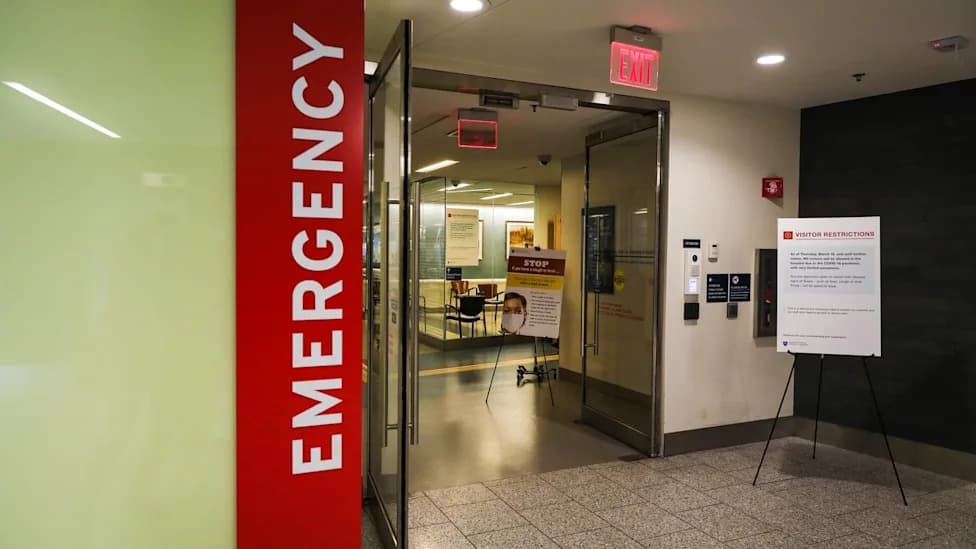
Price transparency rules apply to emergency services, but separate federal protections prohibit delaying life‑saving treatment to discuss cost or insurance status. On the 2026 enforcement list, Texas and Indiana had among the most non‑compliant hospitals; Texas alone accounted for 42 warned facilities, including major centers in San Antonio and Houston.
The government’s enforcement push is meant to increase competition, reduce artificially inflated prices and give patients better information to shop for care. While the required digital tools are not yet uniformly easy to use, the notice letters represent a significant step toward wider price visibility in U.S. healthcare.
Help us improve.