Summary: The U.S.-U.K. trade arrangement lowered tariffs to 0% in return for raising NICE’s cost-effectiveness threshold to roughly £25,000–£37,500 per QALY. NICE expects this to permit 3–5 additional medicines to be reimbursed annually, and early examples like Enhertu illustrate potential gains. But foreign investment has fallen sharply and the NHS has not received matching budget increases, creating a risk of cuts elsewhere; critics warn of major health harms unless extra funding or alternative protections are provided.
U.S.-U.K. Trade Pact Raises Drug Prices — But NHS Budget Strain Threatens Access
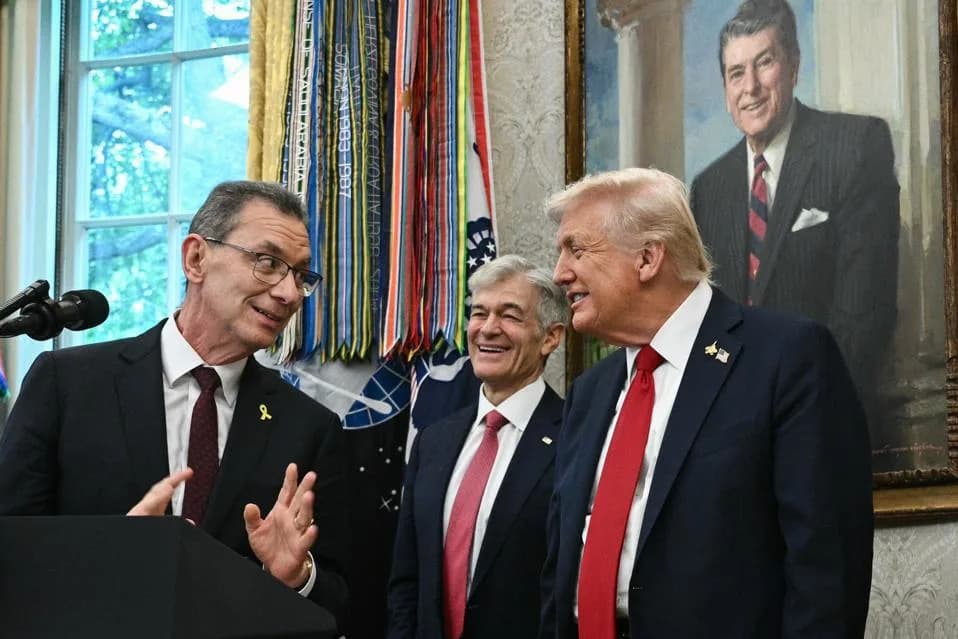
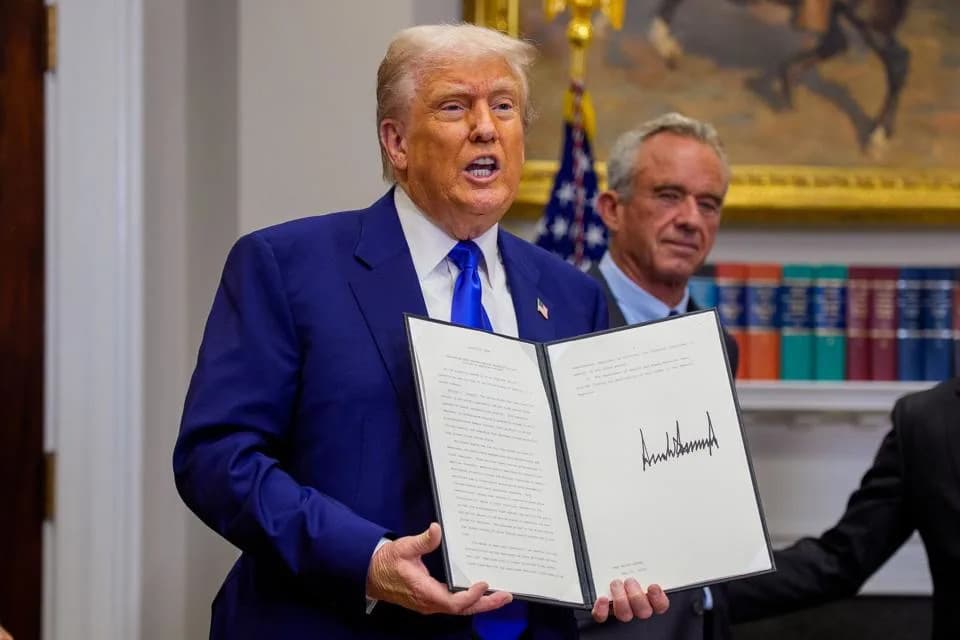
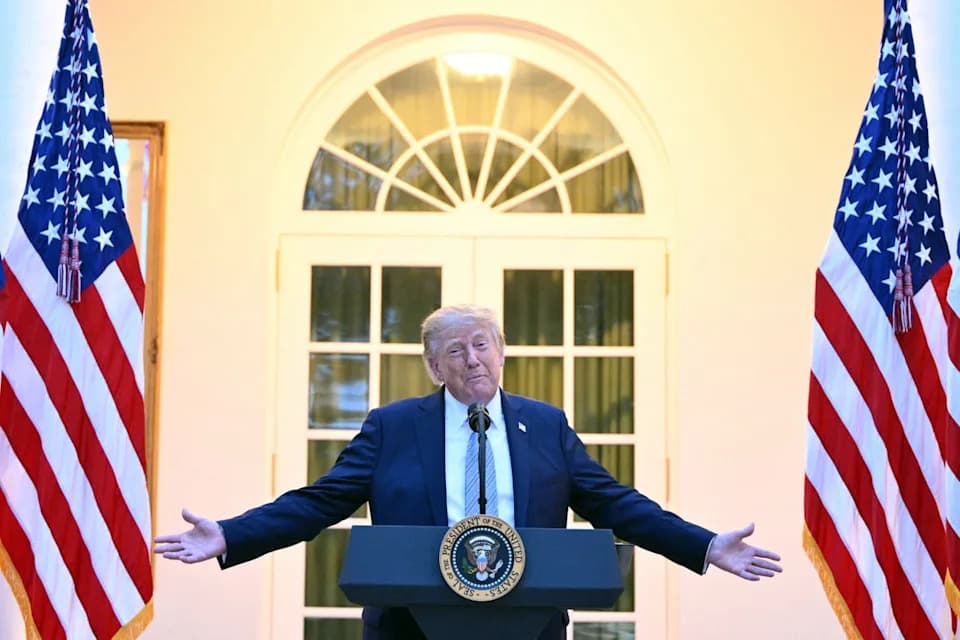
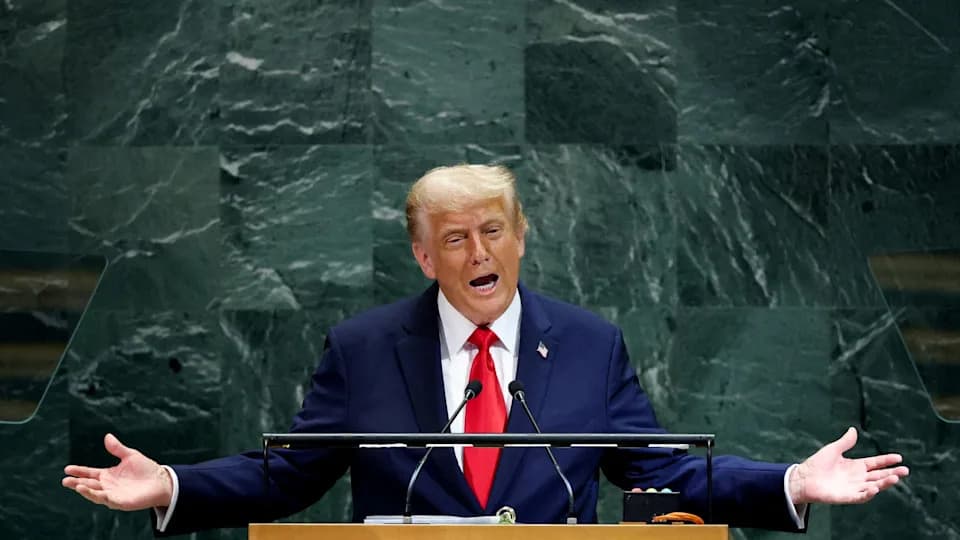
(L/R) Pfizer CEO Albert Bourla speaks as Medicare and Medicaid Administrator Mehmet Oz and President Donald Trump look on during an announcement event on prescription drugs in the Oval Office of the White House in Washington, DC, on Sept. 30, 2025. Trump announced a deal with the pharmaceutical giant Pfizer that he said would lower certain drug prices in the United States, without providing specifics. The deal involves granting the company a three-year reprieve on planned pharmaceutical tariffs. The president has also sought trade deals with European countries in which they would be exempt from pharmaceutical tariffs so long as they raise drug prices. Thus far, only the United Kingdom has signed an agreement to reduce the tariff rate to 0% in exchange for raising the cost-effectiveness threshold, which in turn will likely lead to a small increase in the number of pharmaceuticals being approved for reimbursement at a higher price. (Photo by Brendan SMIALOWSKI / AFP) (Photo by BRENDAN SMIALOWSKI/AFP via Getty Images)AFP via Getty Images
The U.S.-U.K. agreement that traded a 0% tariff on pharmaceuticals for a higher U.K. cost-effectiveness threshold is beginning to encounter practical and fiscal obstacles. While the policy aims to align drug prices among wealthy countries and spur investment, the National Health Service (NHS) may not have the budgets to absorb higher reimbursement costs without painful trade-offs.
Background: Tariffs, Trade Leverage and Drug Pricing
In April 2025 — described by some officials as "Liberation Day" — the U.S. announced sweeping tariff threats on imports from multiple countries. Those threats were used as leverage in bilateral talks that included proposals to exempt countries from tariffs if they accepted higher drug prices tied to the U.S. most-favored-nation pricing approach. From Washington’s perspective, higher prices abroad address what it sees as a free-rider problem: large portions of drug R&D occur in the U.S., while patients and insurers in other countries often pay substantially lower prices.
What the U.K. Agreed
The Labour government agreed to reduce the tariff rate to 0% in exchange for raising NICE’s cost-effectiveness threshold and adopting a broader method for calculating quality-of-life that better accounts for disease severity. Reported changes moved the informal QALY benchmark by roughly 25%, to an approximate range of £25,000–£37,500 per QALY, which came into effect in April.
Expected Outcomes
NICE estimates the higher threshold could allow roughly 3–5 additional medicines or indications to be recommended for NHS reimbursement each year. There is early evidence of impact: NICE recently recommended Enhertu (trastuzumab deruxtecan) for adults with HER2-low advanced or metastatic breast cancer after previously rejecting that indication on cost-effectiveness grounds.
Fiscal Risks and Investment Context
At the same time, foreign direct investment into the U.K. life sciences sector has fallen sharply — a 58% drop from £1.9 billion in 2021 to £795 million in 2023 — a decline cited by some officials as a reason to accept a higher threshold to retain and attract industry capital.
However, industry groups such as the Association of the British Pharmaceutical Industry (ABPI) have pushed for a materially larger uplift to around £40,000–£50,000 per QALY (indexed to inflation). They acknowledge that such an increase would require new and sustained funding to be viable.
Main Problem: Budgets Haven’t Grown To Match Higher Prices
Raising NICE’s threshold without increasing the NHS pharmaceutical budget creates a risk of a funding shortfall. In a fixed budget environment, approving more expensive drugs can displace spending on other services, technologies or treatments — potentially delaying care or reducing services elsewhere in the system. Local NHS trusts, which manage care on the ground, may struggle to absorb higher prices if central budgets don’t increase.
Critics argue this produces significant opportunity costs and could reduce overall population health. A modelling study published in the British Medical Journal warned that, if budgetary consequences remain unaddressed, the policy could be associated with a substantial increase in avoidable deaths — the study estimated more than 200,000 excess deaths by 2036 under certain assumptions.
Trade-Offs and Policy Choices Ahead
The deal highlights a difficult policy trade-off: attracting life-sciences investment and improving availability of innovative therapies versus preserving the affordability and breadth of publicly funded healthcare services. Solutions would require matching any higher QALY threshold with clear, additional NHS funding or targeted arrangements (for example, ring-fenced pharmaceutical budgets, phased implementation, or risk-sharing price agreements with manufacturers).
Bottom Line: The U.S.-U.K. pact may expand patient access to some new medicines, but without extra funding the NHS faces credible risks of budget strain and difficult rationing choices. Policymakers must decide whether to commit additional resources or modify how higher-cost medicines are introduced.
Help us improve.