Researchers have renewed efforts to develop measles treatments after 2025 outbreaks produced the worst U.S. year for measles since 1991. Oral antivirals such as GHP-88310 and antibody therapies from companies like Saravir show promise and could supplement public-health responses where ring vaccination struggles. Experts warn that public misperception of measles severity, the time needed for trials and potential high costs (Saravir estimates infusions near $2,500) will shape real-world uptake.
Measles Treatments Reemerge as Vaccination Rates Drop — Promising Antivirals and Antibodies Advance
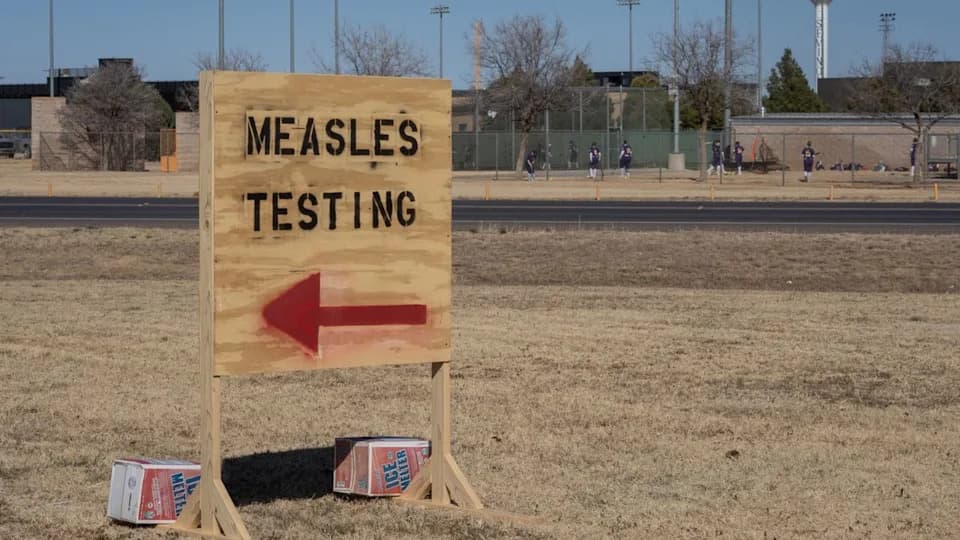
Measles had been ‘kept at bay in the United States for more than two decades’. | Credit: Jan Sonnenmair / Getty Images
Declining vaccination rates and a wave of outbreaks in 2025 have pushed scientists back into an urgent search for measles therapies. Researchers report promising antiviral and antibody candidates that could become tools to prevent or treat infections if vaccines fail to reach enough people.
Why Drug Development Has Returned
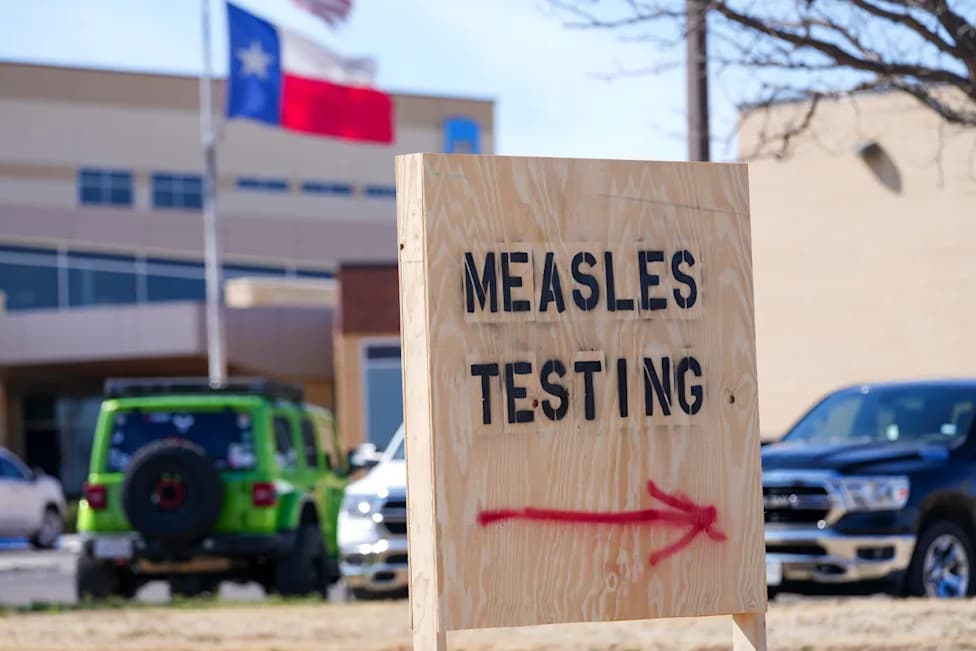
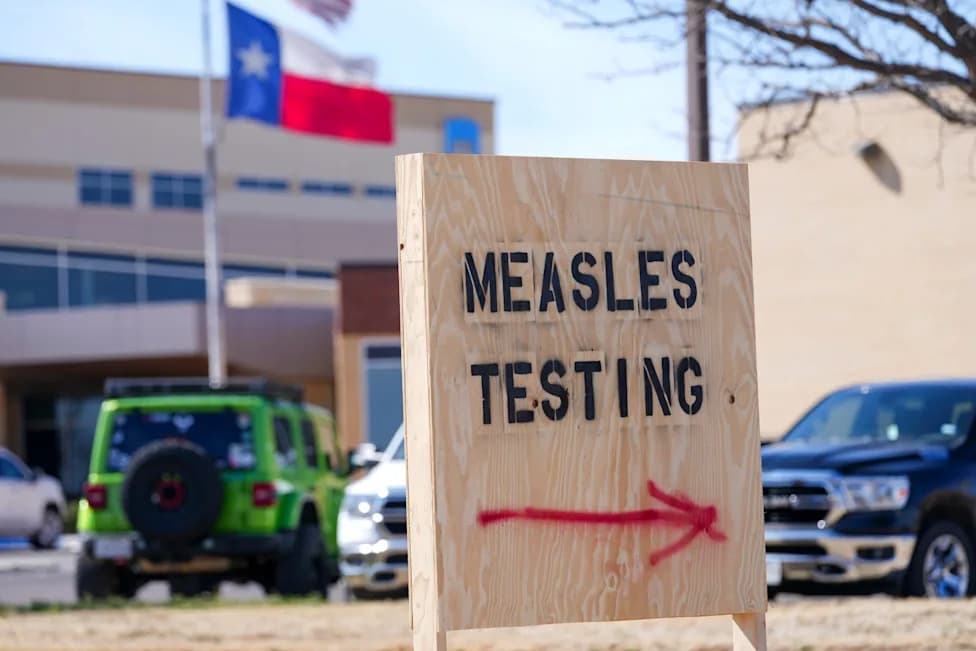
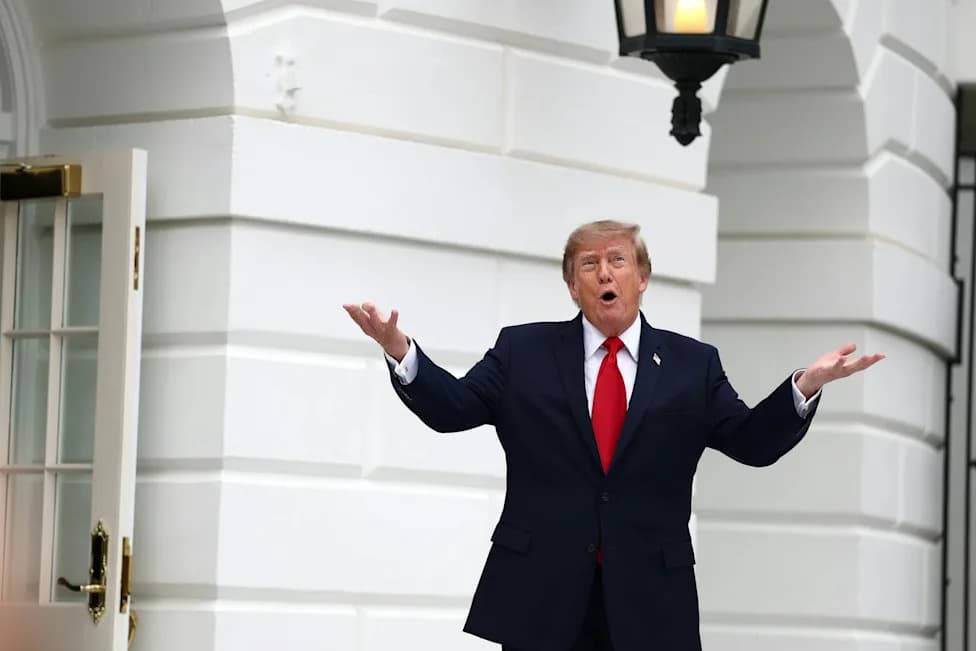
For decades, measles was largely controlled in the United States by a highly effective vaccine. But in 2025, rising anti-vaccine sentiment in parts of the country — including influences from the White House and certain communities — coincided with a series of outbreaks that produced the worst U.S. measles year since 1991. That resurgence spurred a "very crowded" race to develop therapeutics that could stop or limit infections.
What Treatments Are Showing Promise
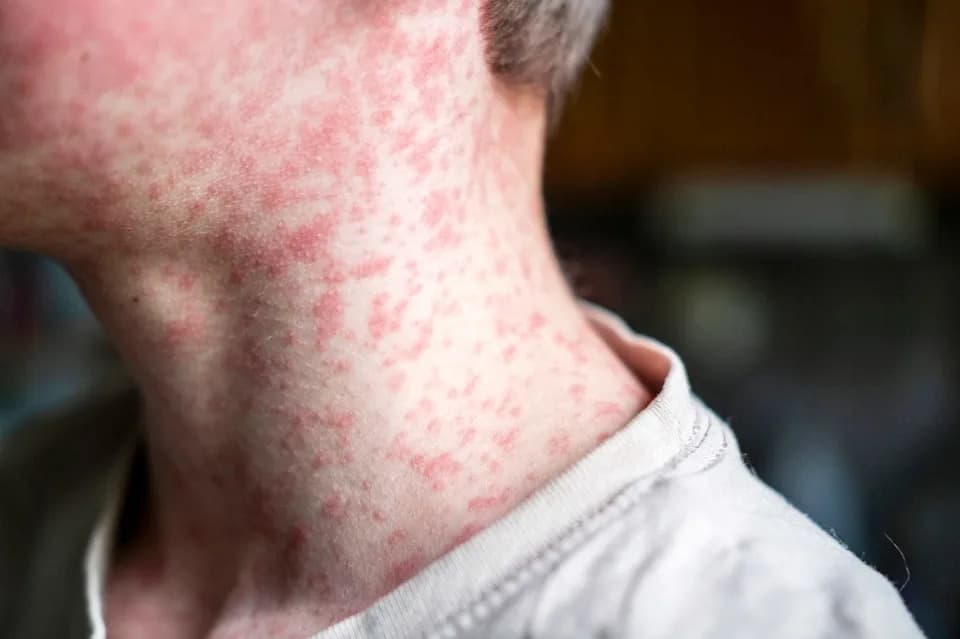
Currently, clinical care for measles focuses on managing symptoms such as fever, cough, fatigue and the characteristic rash; there is no widely available antiviral that clears the virus. Several research teams now report encouraging results.
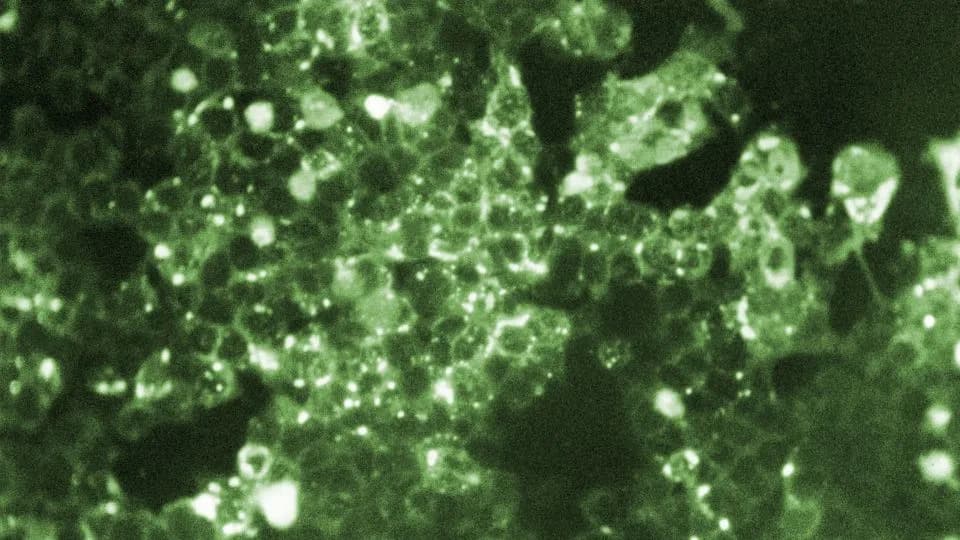
Oral Antiviral GHP-88310. An orally administered antiviral called GHP-88310 has shown activity against measles and related respiratory viruses. Investigators describe it as one of the most promising inhibitors of this virus family in years, and say its oral formulation could make it particularly useful if measles becomes more endemic in areas with low vaccine uptake.
"The drug is the 'most promising inhibitor' of this virus family that causes measles we have encountered in years of research," said Carolin Lieber, a senior postdoctoral fellow at Georgia State University's Center for Translational Antiviral Research.
Antibody Therapies. Companies such as Saravir are developing antibody-based treatments that could prevent severe disease or provide protection for vulnerable people exposed to measles. Saravir’s CEO estimates tens of millions in the U.S. and EU could be uniquely vulnerable; the company has said that, if approved, infusions could cost roughly $2,500, raising questions about cost and access.
Barriers and Public-Health Considerations
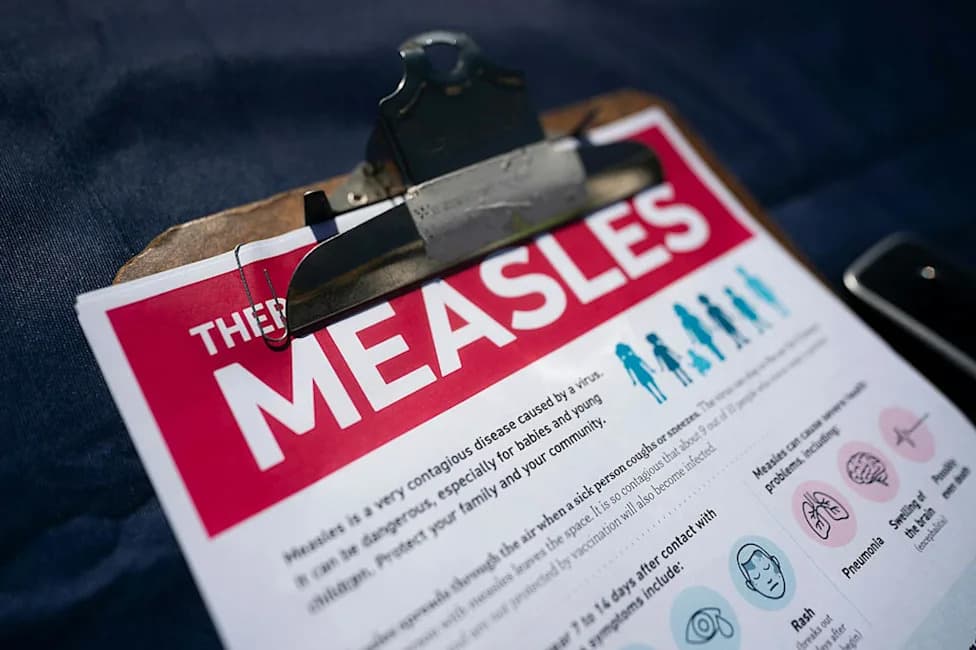
Even if one or more drugs win regulatory approval, uptake may be limited by public perceptions and cost. Many people underestimate the risks of measles; experts note the disease can cause serious complications, including pneumonia, encephalitis and blindness. In addition, treatments such as antibody infusions could be expensive, and oral antivirals will still require clinical trials and regulatory review before they are widely available.
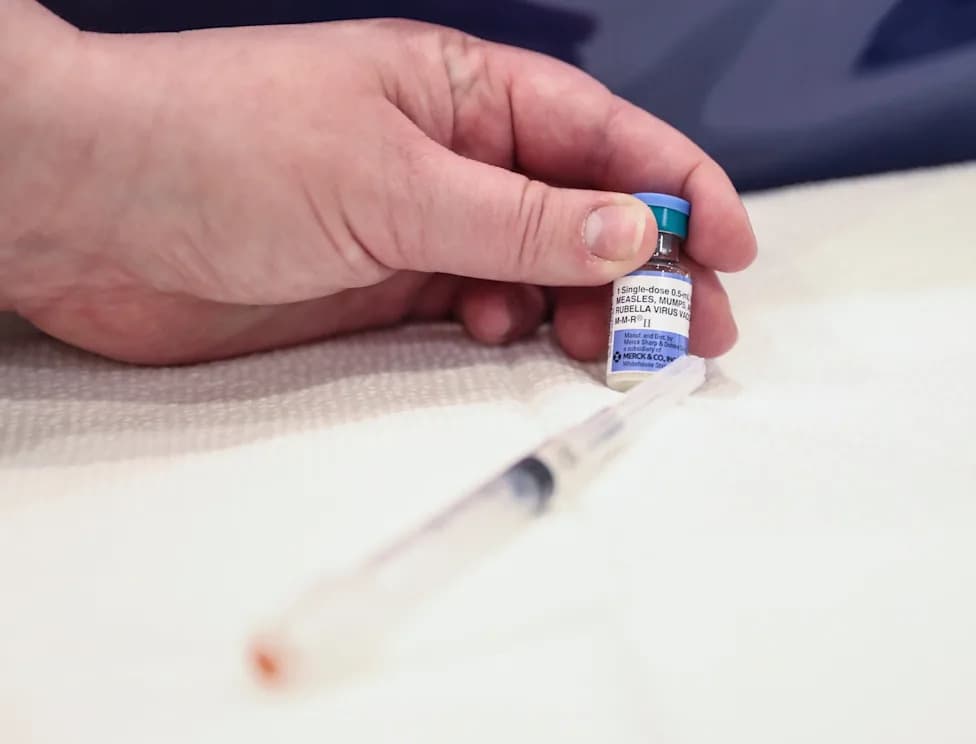
Traditionally, outbreaks have been managed with ring vaccination — immunizing contacts of infected people — but rising vaccine hesitancy in some communities has reduced the effectiveness of that strategy, increasing interest in therapeutics as a complementary tool.
Bottom Line
Scientific advances have put at least one oral antiviral and several antibody approaches on the near horizon as potential measles treatments. However, vaccines remain the fastest, most equitable way to prevent measles at scale, and experts stress that improving vaccine coverage is still the single most effective public-health strategy.
Help us improve.