The Gulf of Gökova rebounded from near ecological collapse after being designated Turkey’s first marine protected area in 2010. Community-led efforts led by the Mediterranean Conservation Society (AKD) trained former fishermen as rangers to patrol 28 sq km, boost enforcement and restore biodiversity. Measures included controlling destructive fishing, managing invasive lionfish as a new marketable catch, and expanding the protected zone—outcomes that improved marine life and local incomes.
From Collapse to Comeback: How Community Rangers Saved Turkey’s Gulf of Gökova
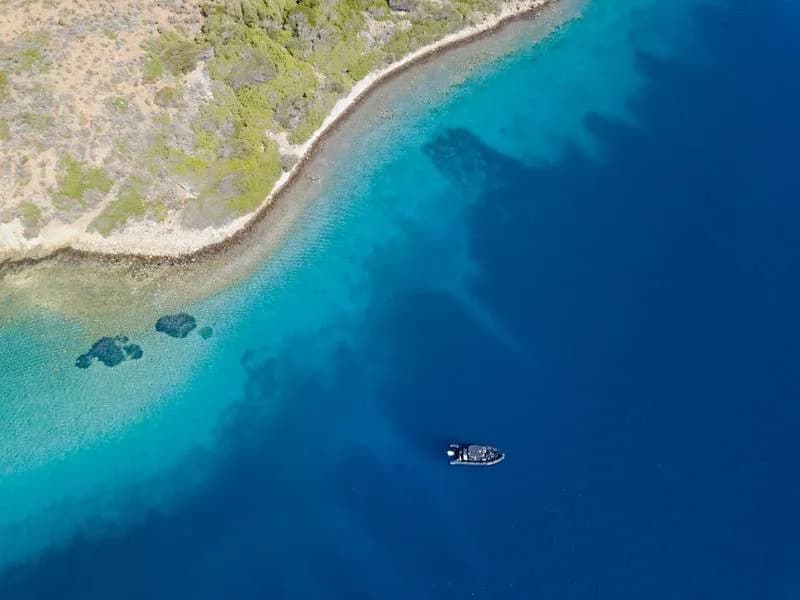
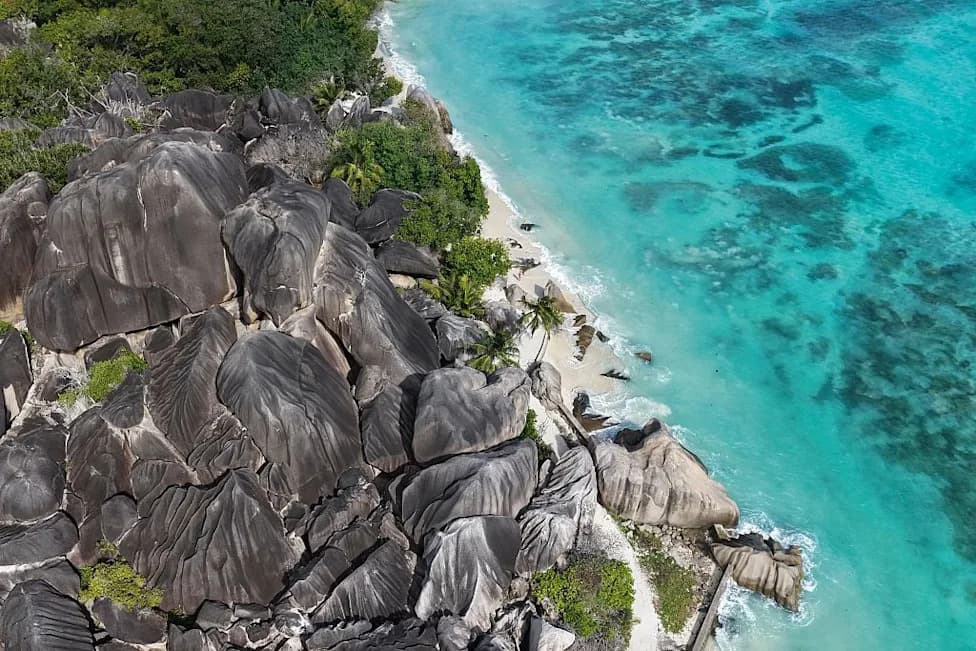
An aerial view shows the marine protected area in the Gulf of Gökova, where rangers patrol the protected waters. Zafer Kizilkaya/dpa
When the sea turns choppy, ranger Murat Bağcı becomes especially vigilant. "That’s exactly the sort of weather they like; they don’t expect us then," he says, referring to fishermen who try to enter the protected waters of the Gulf of Gökova.
Located on Turkey’s Aegean coast, Gökova is famed for the scenic village of Akyaka, its turquoise waters, kite-surfing beaches and the clear Azmak creek. Yet the local marine ecosystem once teetered on the edge of collapse, driven by overfishing and warming seas.
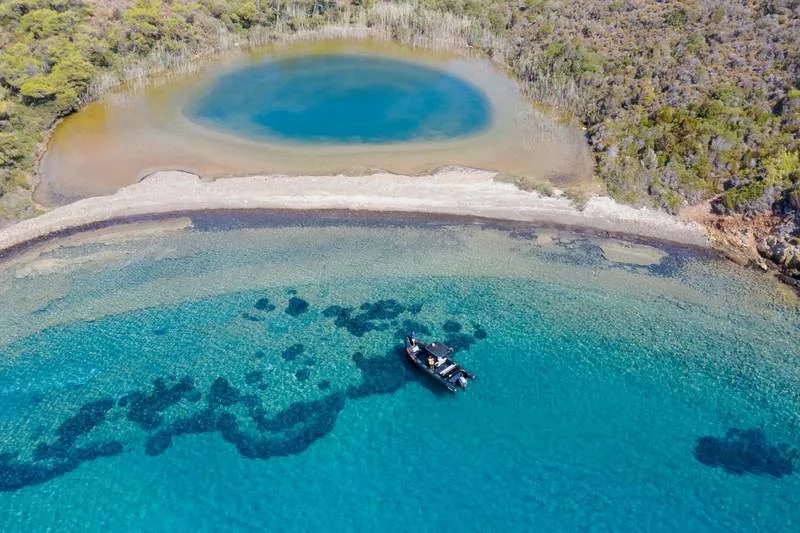
An aerial view shows the marine protected area in the Gulf of Gökova, where rangers patrol the protected waters. Zafer Kizilkaya/dpa
Designation and Early Recovery
In 2010 the government designated Gökova as Turkey’s first marine protected area (MPA). Since then, conservation efforts have helped biodiversity rebound: today many of Turkey’s fish species have returned to the gulf, and the area again supports critical habitats such as breeding grounds for the Mediterranean monk seal.
Community-Led Conservation
A central factor in the recovery is the Mediterranean Conservation Society (AKD), founded by engineer and underwater photographer Zafer Kızılkaya. AKD recruits and trains rangers—often former local fishermen—who patrol 28 square kilometres of protected sea much like park rangers on land.
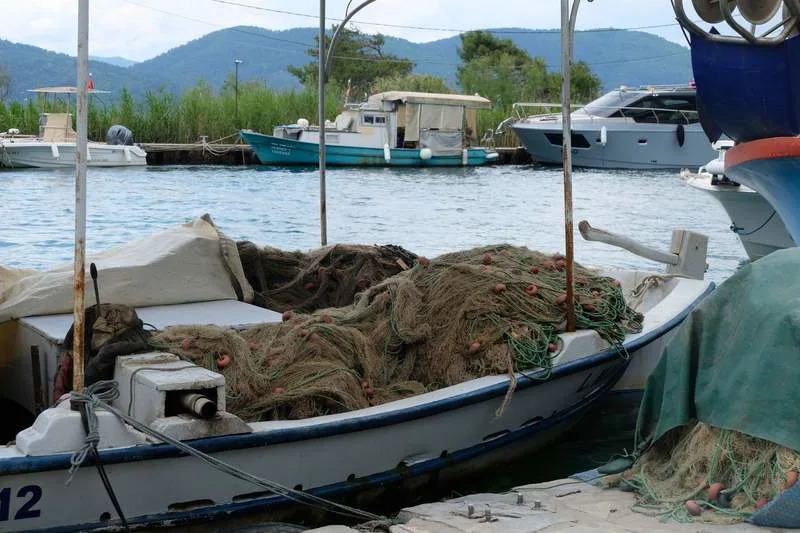
A boat belonging to the Mediterranean Conservation Society is moored in the harbour at Akyaka. The rangers go out on patrols every day. Mirjam Schmitt/dpa
Armed with speedboats, surveillance equipment and bodycams, these rangers monitor the bay and pass reports of illegal activity to the coastguard. With the nearest coastguard station 16 nautical miles away and often occupied with other duties, the local patrols fill a crucial enforcement gap.
Controlling Destructive Fishing
One of the biggest threats historically was bottom trawling, a practice that drags heavy nets across the seabed and destroys habitat. Studies warn that disturbing seabed sediments can release stored carbon and that trawling generates significant bycatch, including protected marine mammals. Many conservationists therefore call for bans on bottom trawling inside MPAs and stronger enforcement internationally.
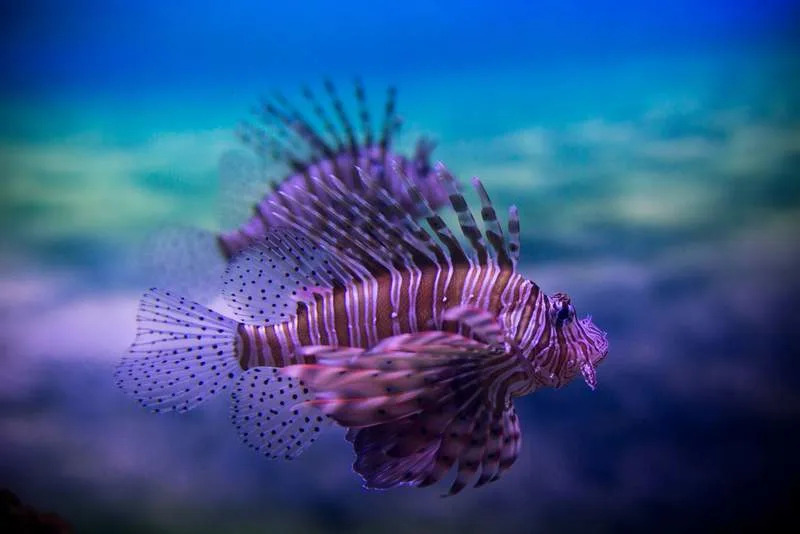
FILE PHOTO - A Lionfish swims at the Two Oceans Aquarium in Cape Town, South Africa (photo dated June 2016). Nic Bothma/EPA/dpa
Winning Local Support
The ranger programme did not win immediate approval. "It was extremely difficult to convince the fishermen," says Tamer Özcan, chairman of Akyaka’s fishing cooperative. Small-scale fishers had been struggling and many were turning to tourism. But after three to four years signs of recovery became evident, and by 2022 AKD surveys showed a marked improvement in biodiversity alongside rising incomes for local fishers.
Turning an Invasive Threat into Opportunity
Climate-driven warming of the Mediterranean and new migration routes through the Suez Canal have introduced invasive species to the region. The lionfish—recognizable by its red-and-white bands and venomous spines—has proliferated in Gökova, preying on juvenile fish and disrupting food webs.
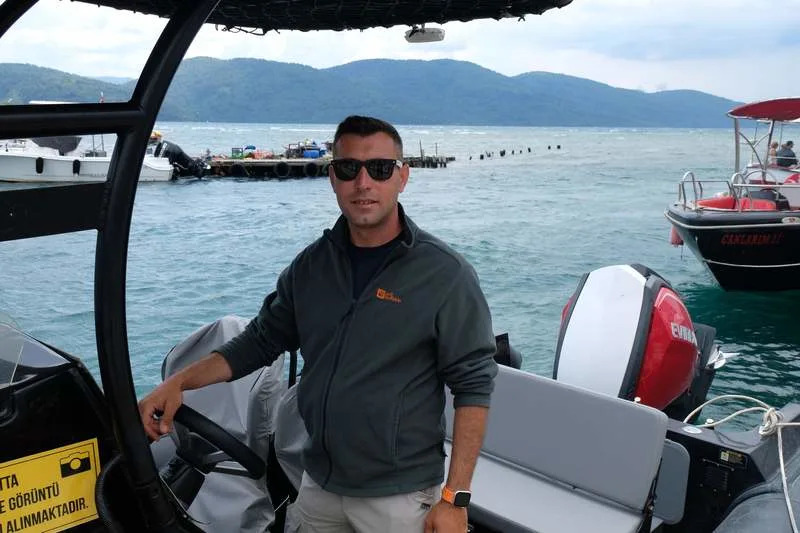
Ranger Murat Bağcı on a patrol boat belonging to the Mediterranean Conservation Society. Every day, he patrols the marine protected area in Gökova, Turkey. Mirjam Schmitt/dpa
AKD trained fishermen how to remove lionfish spines safely and helped build a market chain, buying catches and maintaining cold storage. The fish’s delicate flesh has become a culinary draw, now appearing even on menus at top restaurants such as Istanbul’s Michelin-starred Mikla.
Growing Influence and Future Goals
Gökova’s model is attracting international interest; AKD exchanges lessons with partners in France, Spain and Italy. The protected area was expanded six years ago, a milestone that ranger Bağcı greets with pride: "I want to protect this beauty," he says, pointing to the turquoise-blue water.
Key takeaway: Sustained, locally led conservation—combining enforcement, community engagement and creative fisheries management—can bring a threatened marine ecosystem back from the brink.
Help us improve.