Amy Piccoli, 39, was diagnosed with asymptomatic Stage IV colon cancer after a CT scan in May 2024 found liver lesions and a colon mass. Immunotherapy added to chemotherapy shrank tumors enough to remove the primary colon tumor, but liver metastases remained inoperable. After evaluation at Northwestern, she received a living-donor liver transplant in December 2025 donated by a family friend and recovered over three months. Piccoli will undergo five years of surveillance and says the transplant gave her a renewed outlook and a second chance.
Symptomless Stage IV Colon Cancer: Living-Donor Liver Transplant Gives Mother a Second Chance
Her Stage IV cancer had no symptoms. Innovative surgery saved her life.
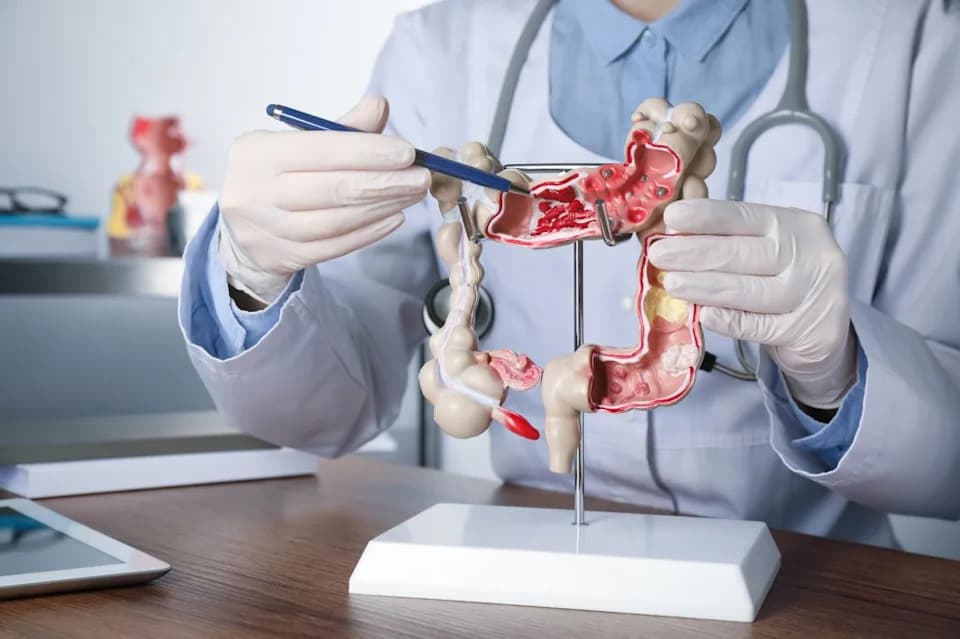
When Amy Piccoli’s son brought home what seemed like a routine stomach bug in May 2024, the Los Angeles mother of three expected the usual short illness. Her symptoms rapidly worsened, however, and dehydration sent her to an emergency room, where a CT scan unexpectedly revealed lesions on her liver and a mass in her colon. An MRI and biopsy confirmed a diagnosis that stunned her: Stage IV colon cancer.
Diagnosis and Early Treatment
"My doctor called me and said, 'We think that the liver spots are cancer that has spread from the colon,'" Piccoli, 39, recalled. She had no typical warning signs and no family history of cancer. The diagnosis was confirmed the Friday before Memorial Day 2024, and the news left Piccoli and her husband devastated.
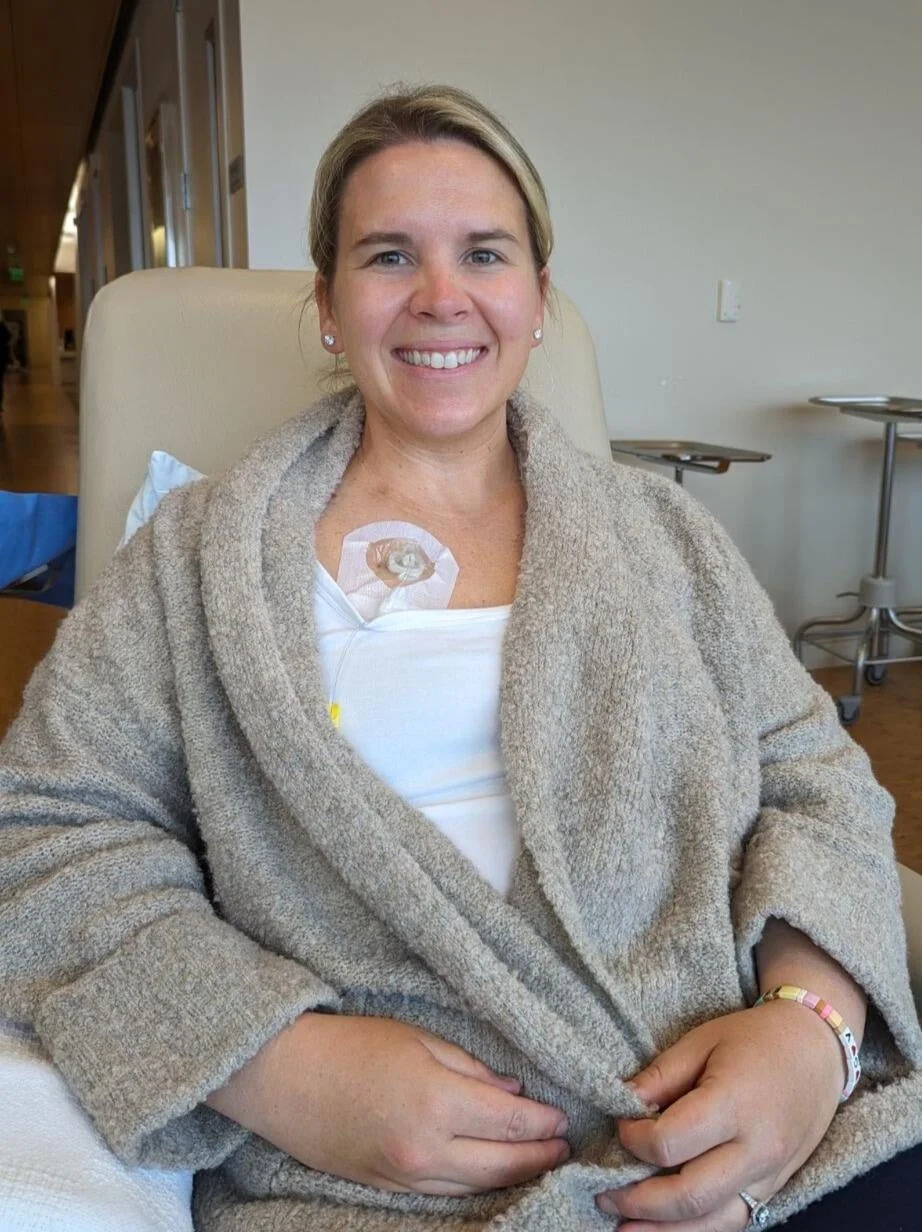
Amy Piccoli undergoing chemotherapy. / Credit: Amy Piccoli
Dr. Robin Mendelsohn, co-director of the Center for Young Onset Colorectal and GI Cancers at Memorial Sloan Kettering, notes that late-stage colorectal cancer without symptoms is uncommon. Subtle signs such as fatigue can be missed, which contributes to some late diagnoses.
Response To Therapy And Surgical Decisions
Piccoli began systemic treatment in June 2024. Genetic testing indicated her tumors might respond to immunotherapy, so immunotherapy was added in July 2024. The combined regimen produced significant tumor shrinkage, enabling surgeons to remove the primary colon tumor. Despite that progress, the metastatic lesions in her liver remained inoperable.

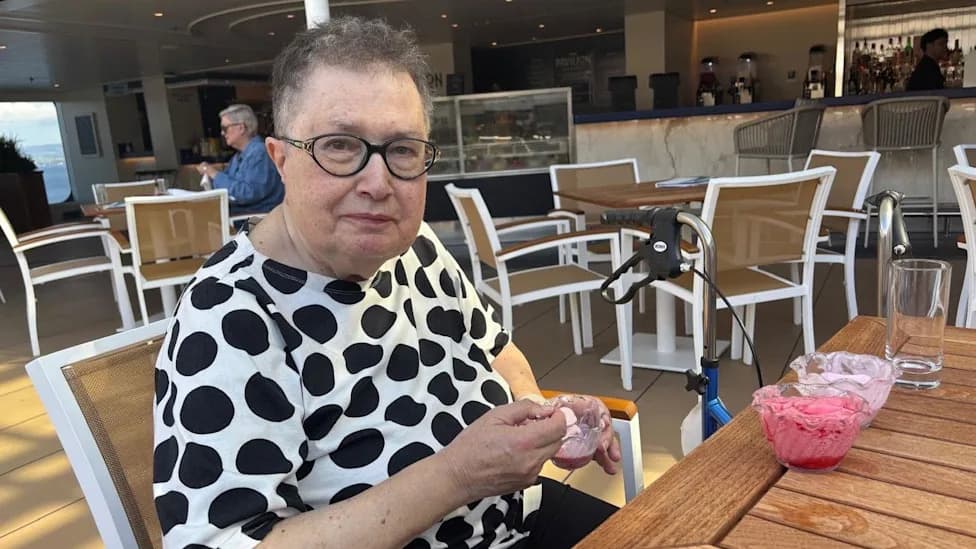
Amy Piccoli and Lauren Prior in summer 2025. / Credit: Amy Piccoli
Considering A Novel Option: Liver Transplantation
With prognosis on chemotherapy alone estimated at roughly a 10% five-year survival in similar situations, Piccoli explored an emerging alternative she had read about online: liver transplantation for select patients whose colorectal cancer is confined to the liver. Dr. Satish Nadig of Northwestern Medicine cites European studies showing that, for carefully chosen patients who have their primary tumor removed and then undergo liver transplantation, five-year survival rates can increase markedly — in some analyses approaching 80%.
"For patients who qualify, the procedure can turn hospice into hope," Nadig said.
Because this indication is relatively new, only a few U.S. centers offer the procedure. Northwestern’s program evaluated Piccoli in September 2025 and deemed her an eligible candidate for a living-donor transplant. More than a dozen friends and family members were screened; family friend Lauren Prior was selected as a donor.
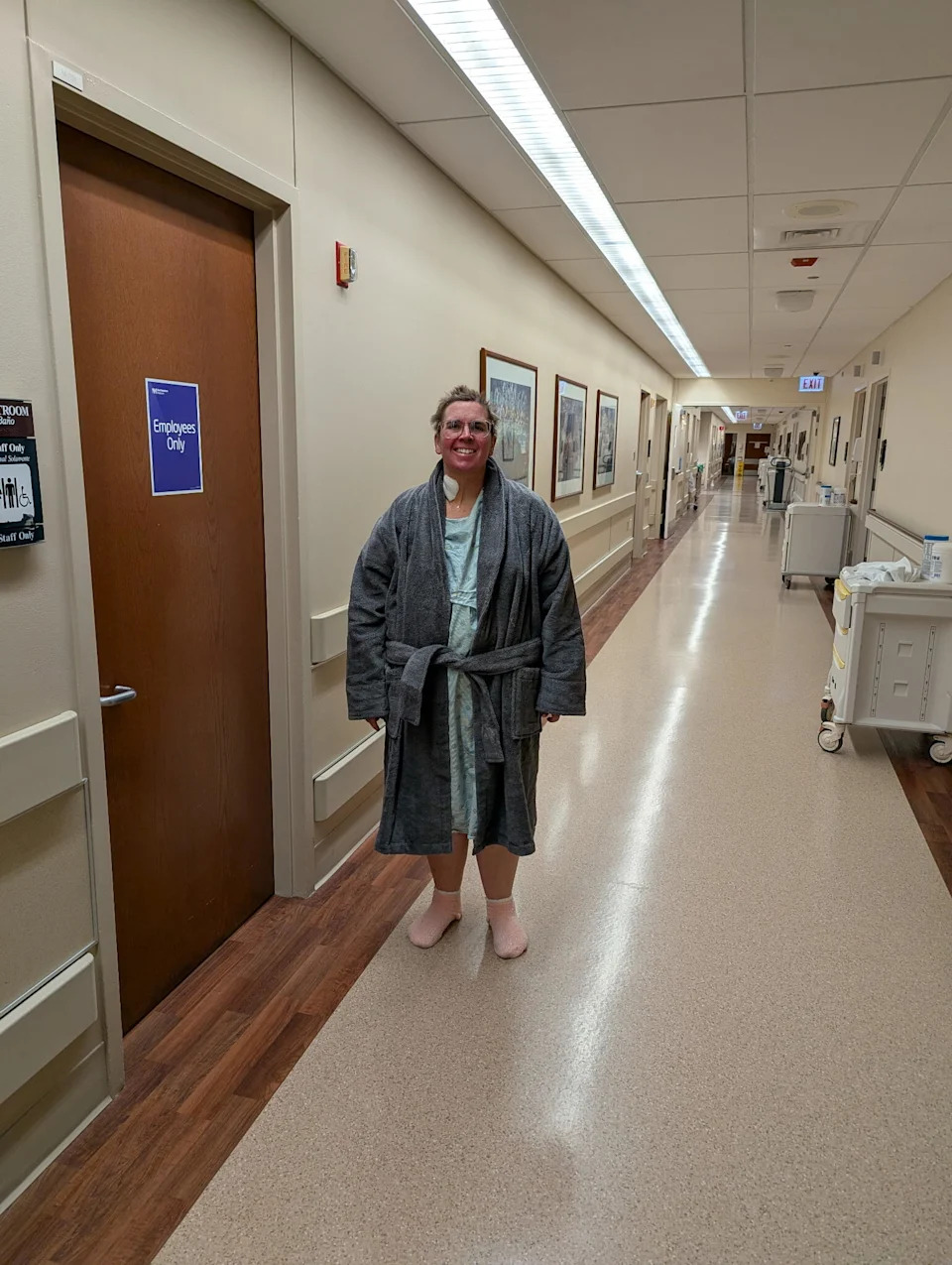
Amy Piccoli after her transplant surgery. / Credit: Amy Piccoli
The Transplant And Recovery
The paired surgeries took place in December 2025. Surgeons report both operations went smoothly. Piccoli remained in Chicago for about three months to start anti-rejection medication and undergo frequent imaging to monitor for recurrence. Although being apart from her children was difficult, periodic visits and the prospect of long-term survival made the sacrifices worthwhile.
Piccoli left Chicago at the end of March and will continue routine surveillance scans for the next five years so clinicians can detect and treat any recurrence early. Dr. Nadig emphasized that, in properly selected patients, the risk of recurrence after transplant is relatively low and, when it occurs, is often treatable locally.
Looking Forward
"Cancer is horrible, but it gave me a new perspective on life," Piccoli said. She plans to spend the coming summer with her children, now ages four, seven and eight, and to focus on living fully while continuing careful medical follow-up.
Note for readers: Liver transplantation for colorectal cancer metastases is an evolving, highly selective treatment. Eligibility depends on tumor biology, response to therapy, and the absence of disease outside the liver. Patients interested in this approach should consult specialized multidisciplinary centers and experienced transplant teams.
Help us improve.