This verified analysis of 1,262 French farms (2021–2024) finds that farms with strong regenerative practices lost far less wheat in 2023 droughts — 8% average decline versus 22% on the weakest farms. In drought-hit cereal regions, regenerative methods cut losses by at least 10% in about 85% of cases. Nationwide adoption could supply a typical mill with roughly 17 extra weeks of wheat — equivalent to about 130 million baguettes — and INRAE found regenerative soils retain 8–15% more water.
Regenerative French Farms Lost Far Less Wheat in 2023 Drought — Enough Saved for 130 Million Baguettes
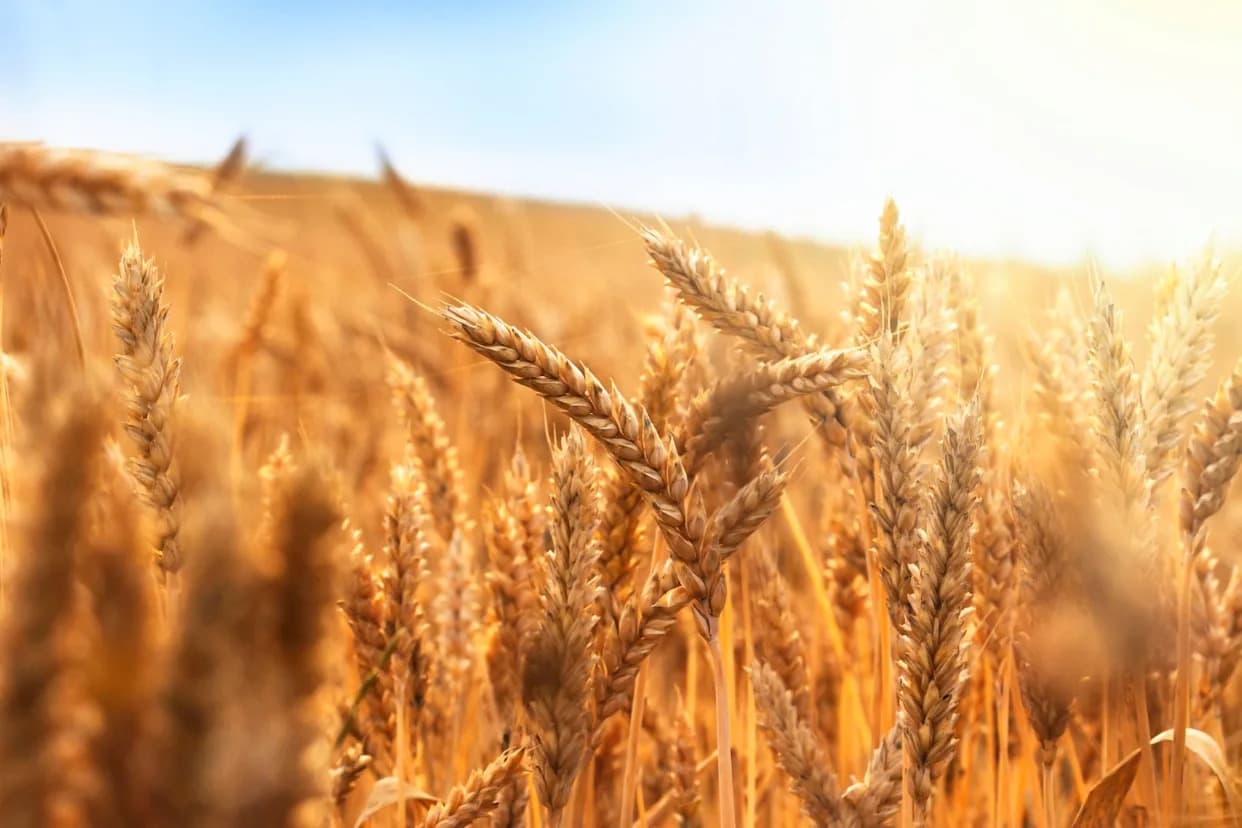
Photo Credit: iStock
A new analysis of French farms puts a concrete number on one benefit of regenerative agriculture: practices that improve soil health helped preserve enough wheat in drought years to produce roughly 130 million baguettes, according to reporting by Euronews.
The dataset, compiled by agritech group Soil Capital with academic partner KU Leuven, covers 1,262 farms across 331,600 hectares for the period 2021–2024. The figures have been independently verified, the report says.
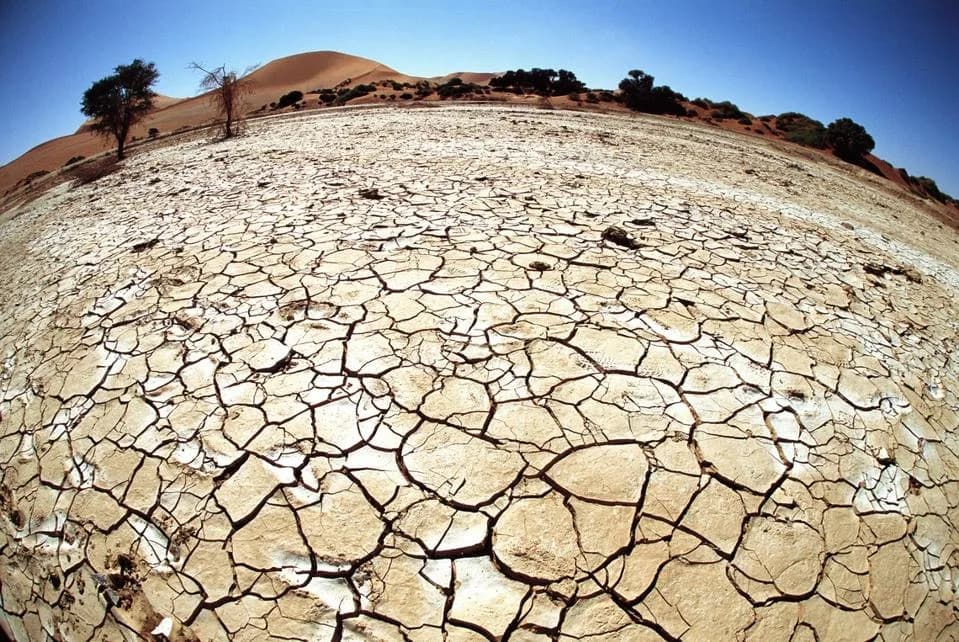
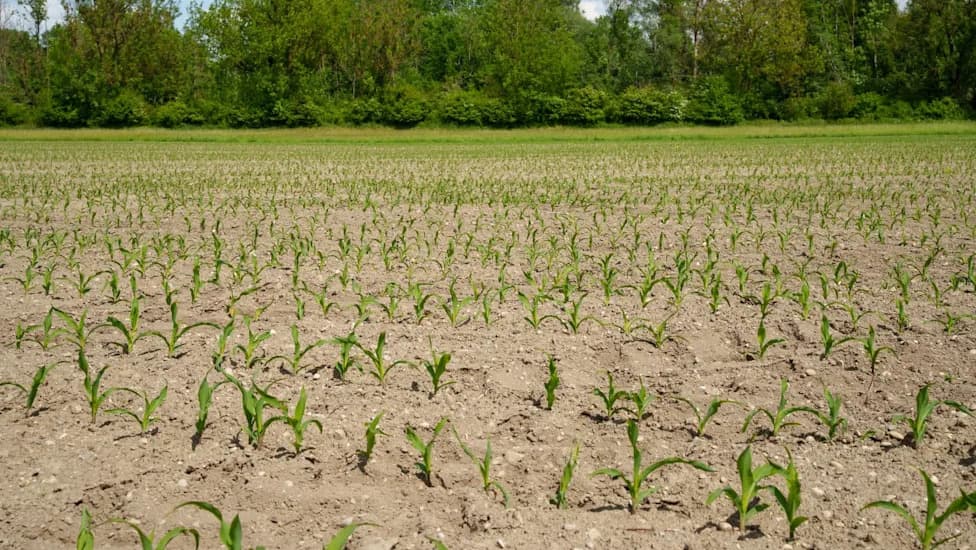
Across France's drought episodes in 2023, farms with the strongest regenerative practices experienced much smaller yield declines than farms with the weakest profiles: average yields fell 8% on the most regenerative farms versus 22% on the least regenerative.
In cereal-growing areas hit by drought, regenerative methods reduced yield losses by at least 10% in about 85% of cases examined. Soil Capital translates those reductions into a national-scale scenario: if the strongest regenerative methods were adopted countrywide during a similar drought, a typical industrial flour mill would retain roughly 17 extra weeks of wheat supply — equivalent to the estimated 130 million baguettes saved.
How Regenerative Practices Help
A central mechanism behind the resilience is improved water retention. Regenerative techniques — such as cover crops, diversified crop rotations and reduced tillage — rebuild soil structure and organic matter, helping fields hold more moisture and support crops during dry spells.
France's national agricultural research institute INRAE reported that soils under regenerative management held between 8% and 15% more water than conventionally tilled soils while producing more biomass from the same amount of water.
'Soil's role in providing almost all our food calories, regulating water supplies, supporting biodiversity, and helping stabilize the global climate is widely overlooked and frequently undervalued,' the UN Convention to Combat Desertification told Euronews.
The findings arrive as climate-driven drought worsens globally. The UN's January 2026 Global Water Bankruptcy report estimated annual global drought damages at more than $307 billion and warned the world is entering an era of 'global water bankruptcy.'
Professor Erik Mathijs of KU Leuven, the study's academic partner, told Euronews the dataset helps answer a long-standing question about whether regenerative methods can work at scale: 'What has held us all back is the lack of robust field-level data across large geographies and multiple successive years. Soil Capital's dataset is unusually strong in this regard.'
Implications
The study provides empirical support that regenerative practices can reduce drought-induced yield losses and stabilize supplies, which could help limit price spikes and economic stress on farming communities. While the results are promising, broader adoption would require investment, policy support and continued validation across regions and crop types.
Help us improve.