Europe's potato harvest has plunged after a summer of heat waves and drought, creating an estimated shortfall of about 3.5 million tons and wiping out more than €800 million in farm value. Belgium, France and Germany report significant yield drops, while processor prices in Germany have spiked to roughly €240 per ton. Consumers may see smaller potatoes, shorter fries and higher prices as supply tightens, while farmers and policymakers focus on short-term management and long-term resilience measures.
Europe's Potato Harvest Plummets After Heat Waves and Drought — Expect Smaller Tubers, Shorter Fries and Higher Prices
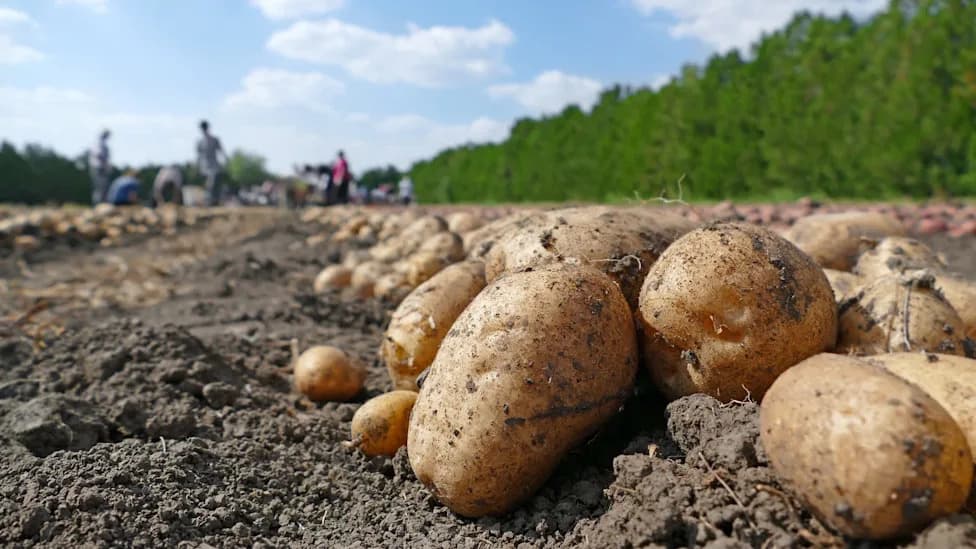
Photo Credit: iStock
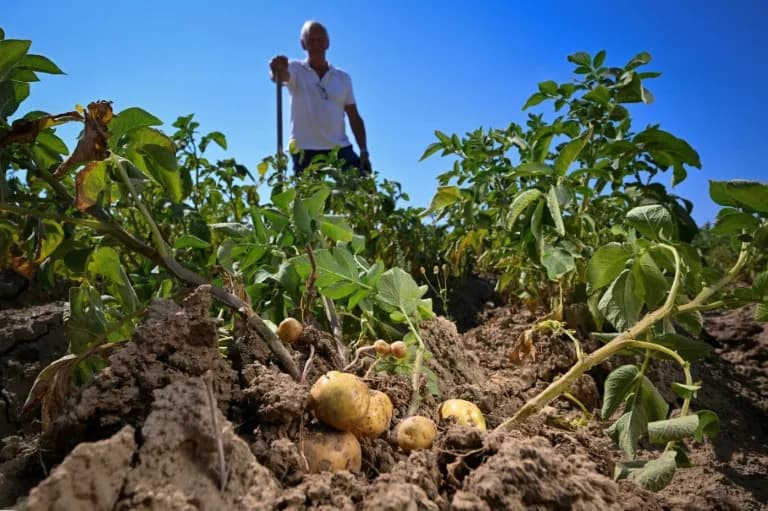
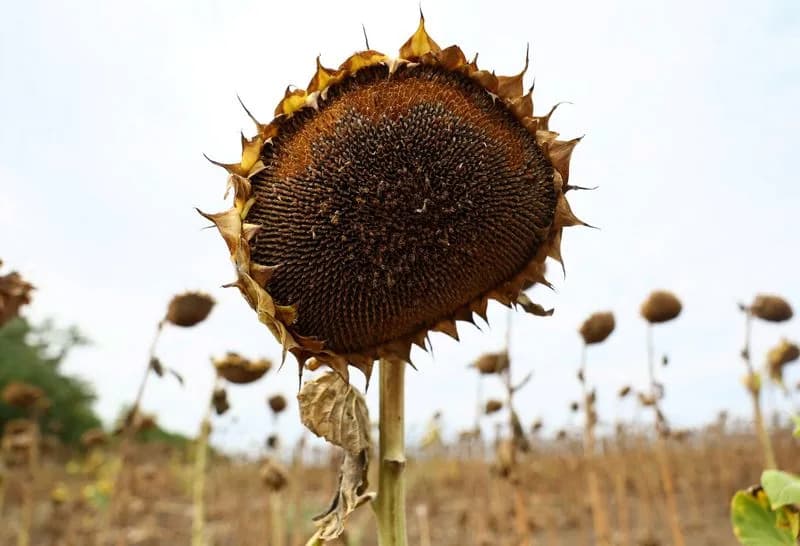
After a summer of repeated heat waves and persistent drought, potato harvests across Europe have fallen well below normal, threatening a staple found in kitchens from Lisbon to Warsaw.
Shortfall, Prices and Immediate Impacts
Analysts warn this could be one of Europe's weakest potato harvests in recent years. The Energy and Climate Intelligence Unit, cited by Bloomberg, estimates Europe and the U.K. may be roughly 3.5 million tons short of potatoes — a shortfall that could erase more than €800 million (about $919 million) in farm value.
Major producers have reported sharp yield declines: Belgium ~21%, France ~13% and Germany ~10%. Growers also entered the season with reduced acreage after a 2025 potato glut, leaving the damaged crop with less margin for error.
No one escaped this summer's heat. We are in a new perfect storm, with a considerably smaller acreage, coinciding with historically poor yields, caused by drought and more importantly by heat.
— Jan Van Luchene, owner of Bruwier Potatoes (west of Brussels)
Markets are already reacting. Prices for potatoes destined for processors in Germany have surged to about €240 per ton (approximately $276), a steep rise compared with earlier levels. Belgium, France and the U.K. have seen similar upward pressure on prices.
What Consumers May Notice
Potatoes are central to meals across Europe. The weaker harvest could quickly show up as smaller tubers, shorter fries, reduced portion sizes in restaurants, pressure on frozen and processed supplies, and higher supermarket prices for potatoes and potato-based products.
Broader Agricultural Context
The potato shortfall comes amid wider stress on European agriculture: grain production is on track for its biggest drop in decades, and continued fighting around the Black Sea is disrupting a key grain export route. Together, these factors compound price pressures and supply risk for staple foods.
How Farmers and Food Companies Are Responding
Producers and manufacturers are managing shortages by renegotiating contracts, reallocating supplies, and seeking alternatives where possible. Many growers are accelerating adoption of heat-tolerant varieties, improved irrigation, and soil-management techniques that retain moisture. Industry leaders warn the sector must also invest in longer-term resilience.
There are going to be fewer potatoes about after this year's harvest. The crop's under significant pressure.
— Scott Walker, Chief Executive, GB Potatoes
Policy and Resilience
Reducing emissions that drive extreme weather, investing in resilient farming practices, expanding water-saving technology, and strengthening local supply chains are all pointed to as necessary steps to help communities absorb future shocks and protect food security.
Related coverage: shrinking olive oil harvests in the Mediterranean, hail damage to crops in Malta, and excessive rainfall in New York's Catskills damaging farms.
Help us improve.