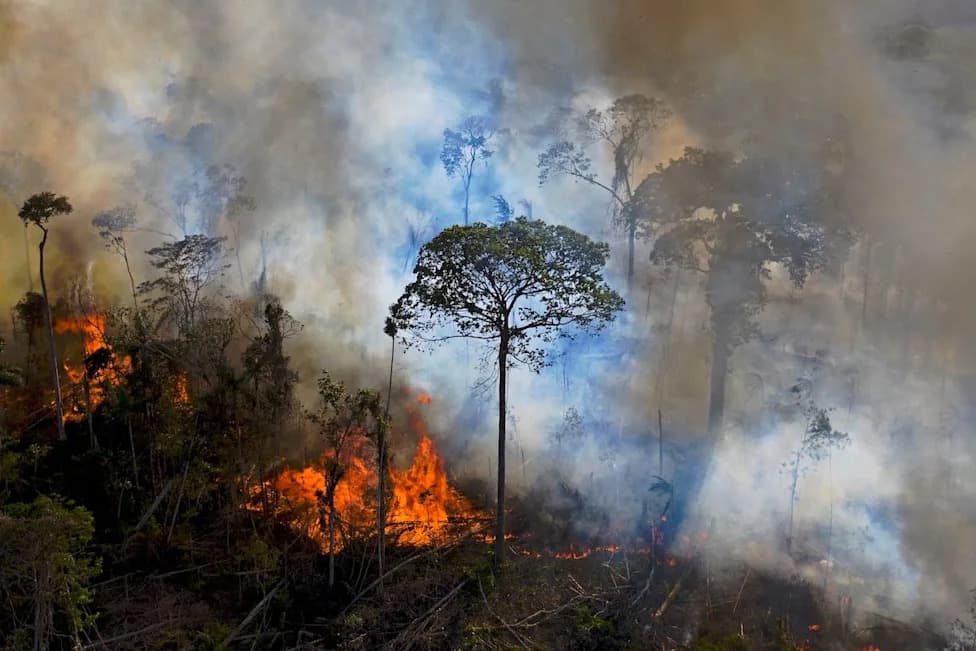
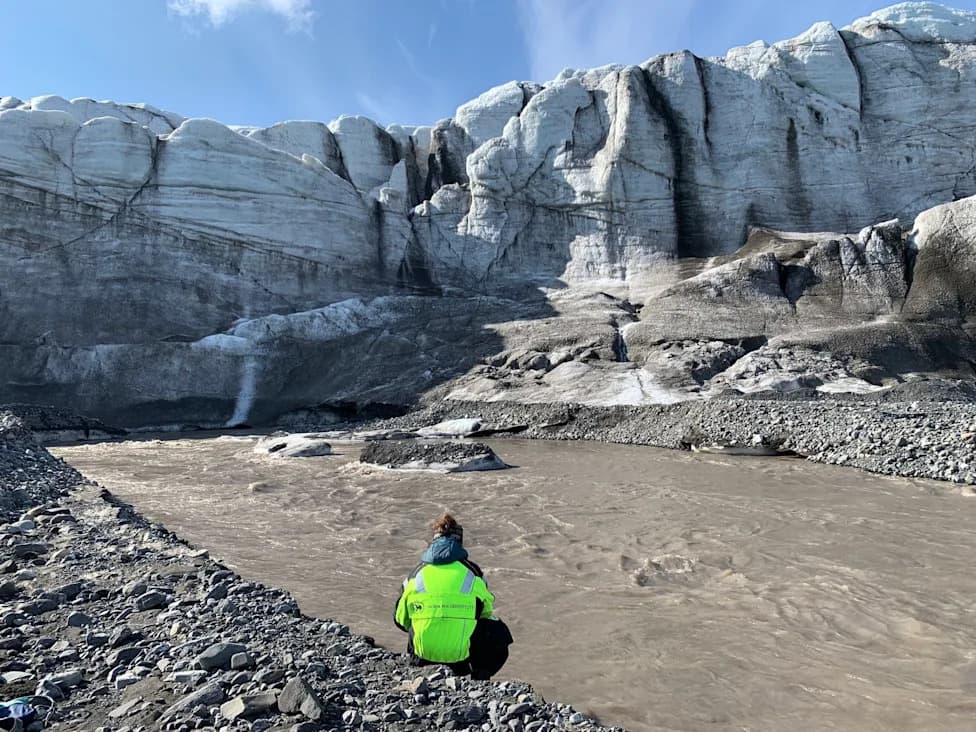
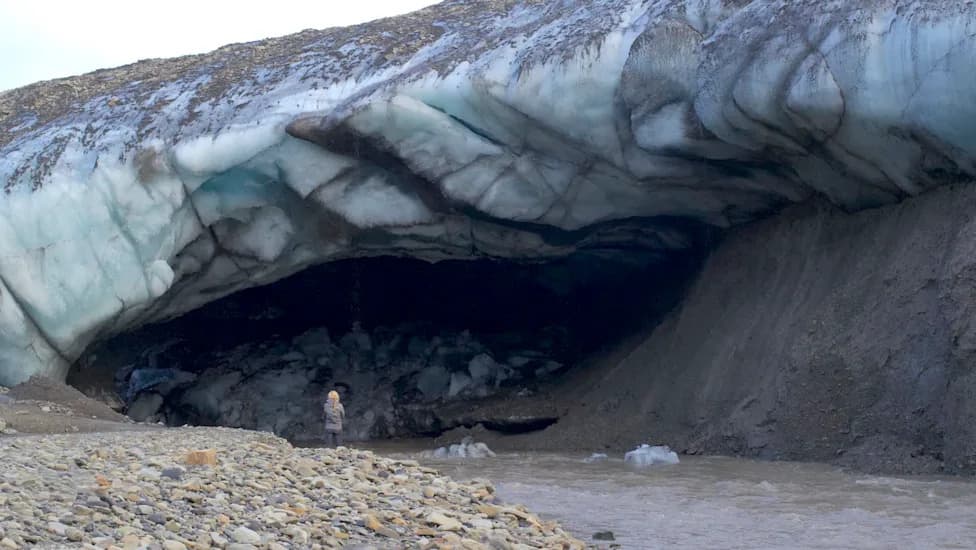
New research indicates that carbon stored in deep permafrost (soils below 3 metres) could be mobilised by 2100 under current warming scenarios, potentially switching northern permafrost from a carbon sink to a net source. The study explicitly includes deep soils previously underrepresented in many models and finds higher projected emissions, which could shrink the remaining global carbon budget. Experts call for better model representation of permafrost processes and updated policy planning.
Hidden ‘Deep Carbon’ In Permafrost Could Be Released By 2100 — Warming Risk Underestimated
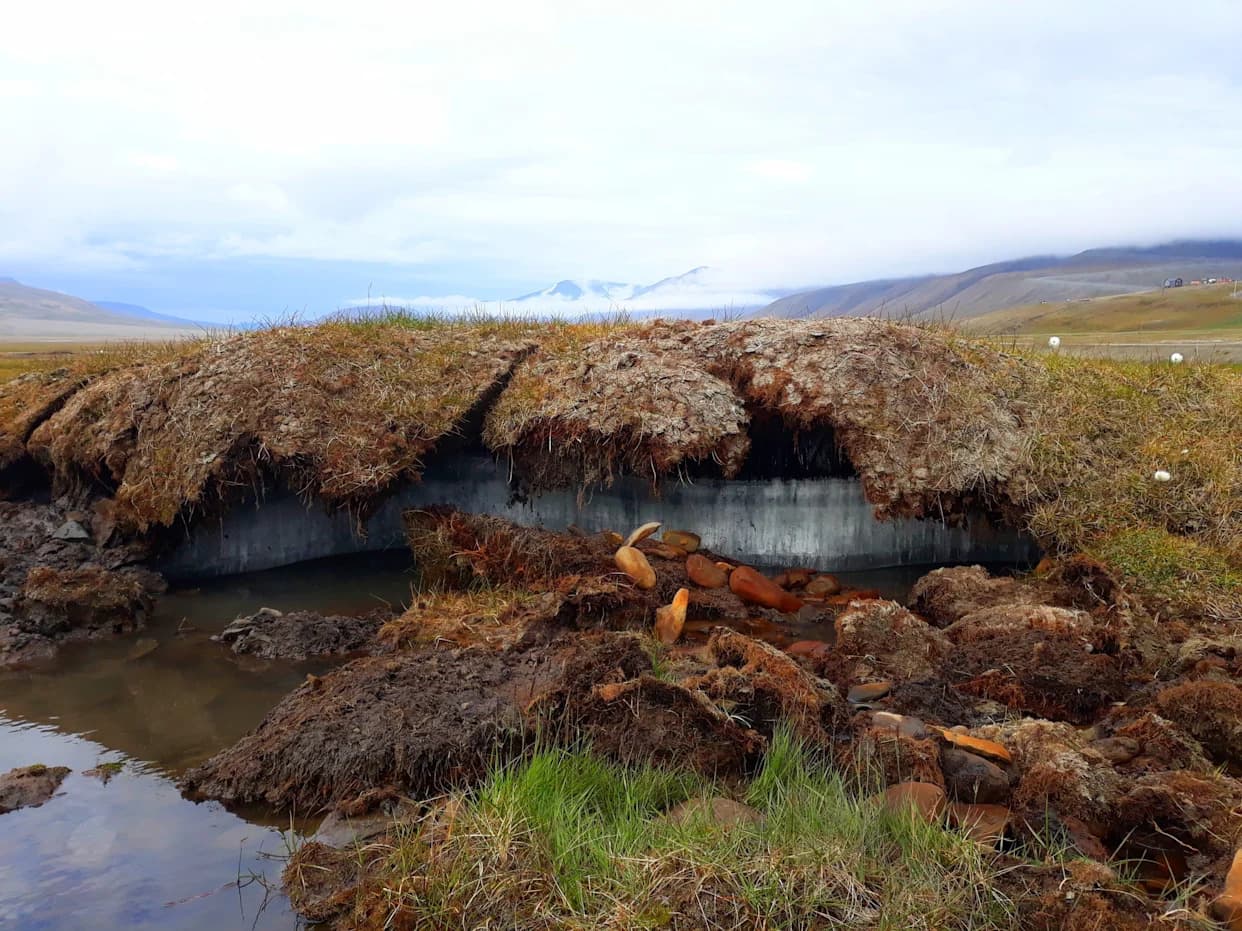
New research warns that large stores of carbon locked in deep permafrost — soils below three metres (about 10 feet) — could be mobilised this century, potentially turning northern permafrost from a net carbon sink into a net carbon source by 2100 under current warming scenarios.
Why Deep Permafrost Matters
Permafrost — permanently frozen ground that covers roughly 15 percent of land in the Northern Hemisphere — holds an enormous carbon reservoir. According to the U.S. National Oceanic and Atmospheric Administration (NOAA), northern soils contain about twice the amount of carbon currently in Earth’s atmosphere. Much of that carbon is locked in frozen organic material such as dead plants, animals and peat that accumulated over millennia.
What The New Study Adds
Previous projections focused mainly on near-surface permafrost where most carbon is found. The new study by Yi Xi and colleagues explicitly reconstructs the accumulation history and carbon content of soils deeper than three metres, including deep peat formed during the Holocene. Running simulations under a range of Intergovernmental Panel on Climate Change (IPCC) warming scenarios, the authors find that, without substantial reductions in global temperature, deep permafrost could release far more carbon before 2100 than many earlier models estimated.
"In our model, we constructed the accumulation history of soil carbon below three meters," Xi says, noting that deep peat and other long-buried organic deposits are important and previously underrepresented reservoirs.
Expert Reaction
Alberto Reyes, an associate professor at the University of Alberta who studies North American permafrost, welcomed the work for improving how deep soils are represented in Earth-system models. "Deep permafrost has been an under-appreciated component of Earth system models, so it's great to see more explicit treatment of this important [carbon] reservoir in model simulations," he said.
Susan Natali of the Woodwell Climate Research Center noted the study helps fill a modelling gap. Many models used to inform policy have not fully captured permafrost dynamics — especially deep carbon — which could lead to underestimates of future emissions.
Implications For Climate Policy
If deep permafrost emissions are larger than previously thought, the world’s remaining carbon budget — the cumulative greenhouse gas emissions compatible with temperature targets such as 1.5°C or 2°C above preindustrial levels — may need recalculation. Deep permafrost can release carbon in the form of carbon dioxide and, under certain conditions, methane, both of which amplify warming.
The IPCC is preparing its seventh assessment report (AR7), which will include updated projections on permafrost and related climate feedbacks; the report is expected by the end of 2029. Researchers and policymakers say improved representation of deep permafrost in models is essential for robust adaptation and mitigation planning.
Bottom line: Accounting for deep permafrost carbon raises the stakes for near-term emissions reductions and for updating climate models and policy frameworks to reflect this previously underrepresented risk.
Help us improve.