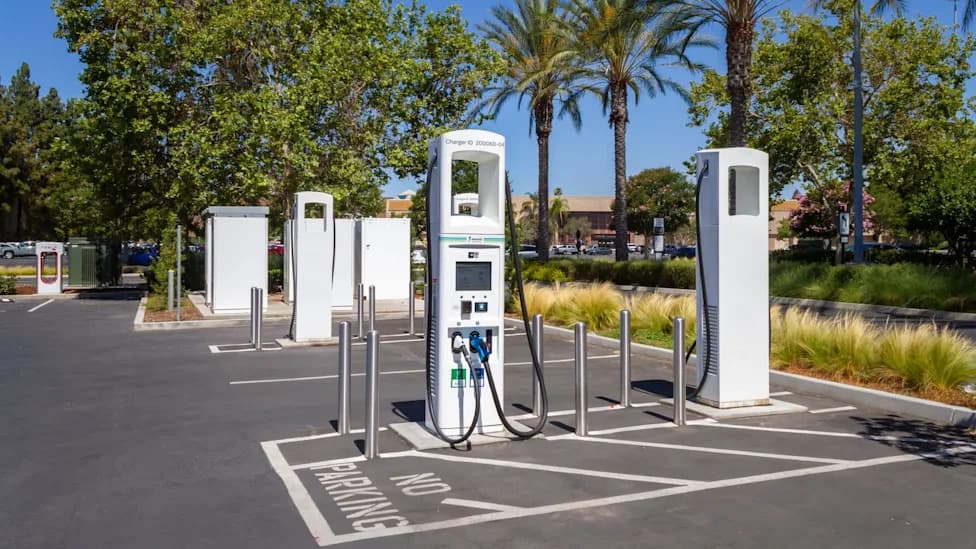
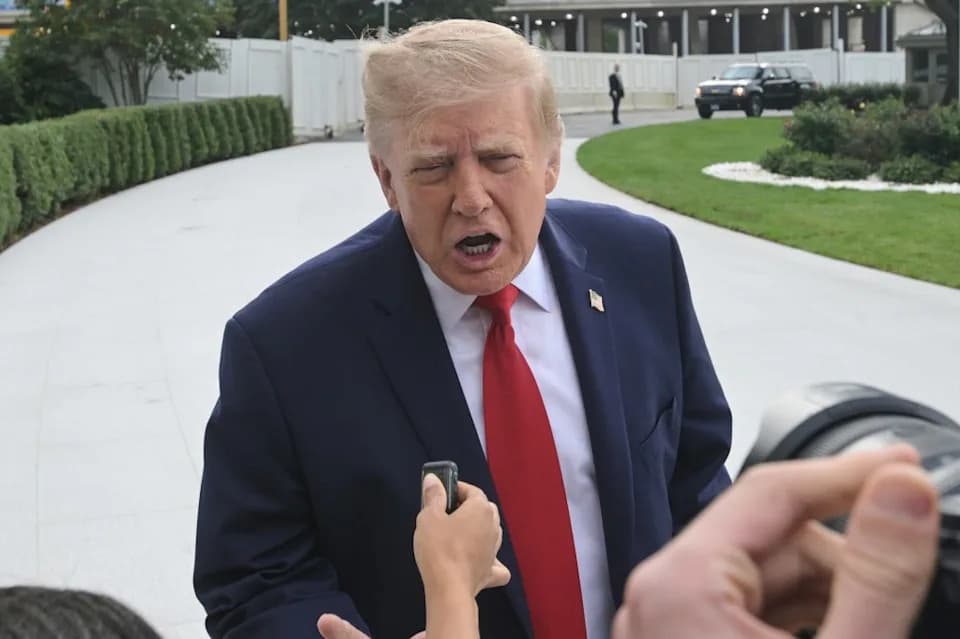
The EPA has sent California's vehicle emissions waivers to Congress, saying they should have been filed under the Congressional Review Act. The package includes the Affordable Clean Cars I program, which allows California to set vehicle standards stricter than federal rules. By forwarding the waivers, the agency has created a pathway for Congress to consider overturning those state waivers, raising the stakes in the federal-state dispute over emissions policy.
EPA Sends California Emissions Waivers To Congress, Putting 'Affordable Clean Cars I' At Risk
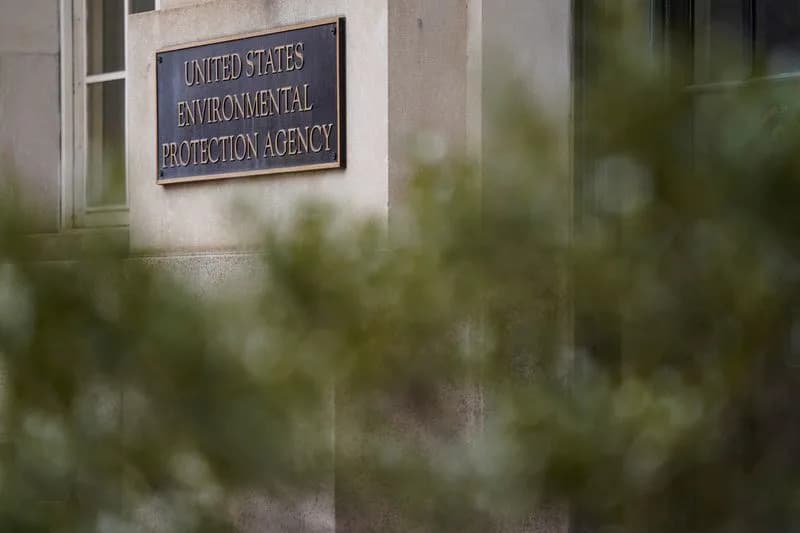
Signage at the headquarters of the United States Environmental Protection Agency (EPA) in Washington, D.C., U.S., February 18, 2025. REUTERS/Kent Nishimura
WASHINGTON, June 12 — The U.S. Environmental Protection Agency said on Friday it has forwarded landmark California vehicle emissions waivers to Congress, a step that could allow lawmakers to pursue repeal under the Congressional Review Act.
The EPA said the waivers that enabled California's emissions regulations — many approved under prior Democratic administrations — should have been submitted to Congress under the Congressional Review Act (CRA). The CRA gives Congress the authority to review and potentially overturn recently finalized agency actions by passing a joint resolution of disapproval.
The package includes California's Affordable Clean Cars I program, which permits the state to impose vehicle emissions and efficiency standards that are more stringent than federal requirements. Because California represents a large portion of the U.S. auto market, its rules often influence manufacturers' national compliance strategies.
What This Means
By formally sending the waivers to Congress, the EPA has opened a path for lawmakers to consider repeal. If Congress passes a disapproval resolution and the president signs it, the waivers could be nullified, potentially limiting California's ability to enforce stricter vehicle standards. The move is likely to intensify debates over federal versus state authority on vehicle emissions policy.
(Reporting by David Shepardson)
Help us improve.