SB 1392 creates a phased smog-check exemption for 1976–1985 vehicles that is designed to expire when the window reaches 1985 model-year cars on January 1, 2033. Collector-vehicle insurance qualifies cars beginning January 1, 2028, while a mileage-based route (under 1,000 miles/year) opens in 2030 after the Bureau of Automotive Repair sets verification rules. The law allows an enrollment fee capped at twice the state smog abatement fee (up to $40/year) and is a narrow compromise intended to preserve California’s broader zero-emission vehicle goals.
Jay Leno’s Law: California Grants A Time-Limited Smog Exemption For 1976–1985 Classics (Expires 2033)
California Just Gave Classic Cars a Smog Exemption That Expires in 2033 — By Design
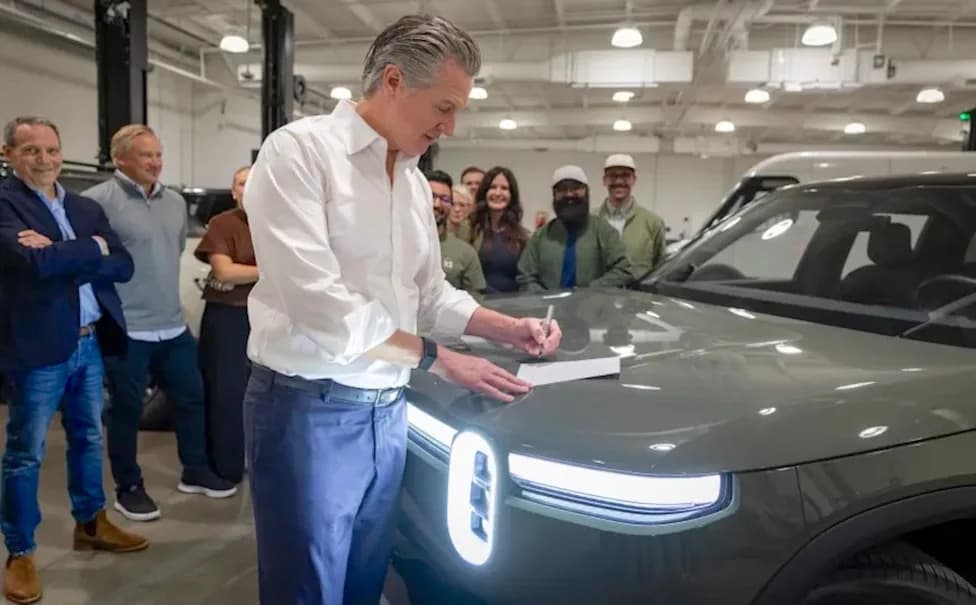
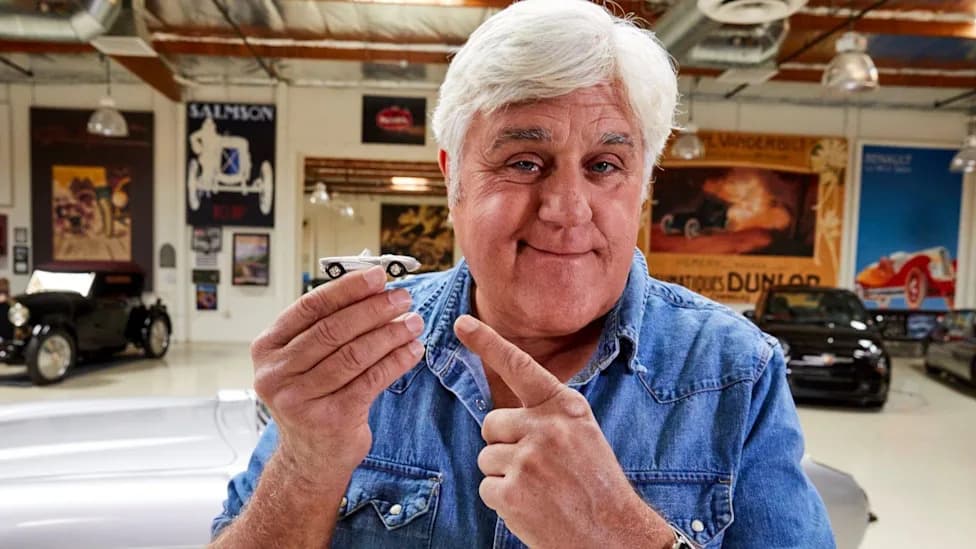
Governor Gavin Newsom signed Senate Bill 1392 at Jay Leno’s Burbank garage, creating a narrowly tailored smog-check exemption for classic cars built from 1976 through 1985. Branded in headlines as “Jay Leno’s Law,” the measure is deliberately precise: a ten-year model window, phased in over time, with two distinct qualification paths and a modest administrative fee.
What SB 1392 Does
SB 1392, authored by Sen. Dave Cortese (D–San Jose) and Sen. Shannon Grove (R–Bakersfield), phases in a full smog-check exemption for vehicles from the 1976–1985 model years. The rollout is incremental: on January 1, 2028, vehicles built before the 1981 model year become eligible if they are insured as collector vehicles. Each subsequent January 1 adds one model year until the exemption includes 1985 model-year cars on January 1, 2033.
Two Qualification Paths
SB 1392 creates two routes to eligibility, which begin on different timetables:
- Collector-vehicle insurance: Becomes an eligibility trigger starting January 1, 2028.
- Mileage-based qualification (under 1,000 miles/year): Becomes available in 2030, but the Bureau of Automotive Repair (BAR) must still establish the verification procedure.
The staggered schedule matters. California’s classic-car registration and verification systems can be bureaucratic and slow; delaying the mileage-based route until BAR writes rules leaves a potential administrative gap that could frustrate owners seeking the exemption.
Fees, Limits, And What It Isn’t
SB 1392 allows BAR to charge an administrative enrollment fee, capped at twice the state’s current smog abatement fee. With the DMV listing the abatement fee at $20/year, owners could pay up to $40/year to document that their vehicle is exempt from smog checks.
Importantly, this bill is a compromise, not the broader change Jay Leno originally sought. Leno had backed SB 712, which would have created a rolling exemption for any collector vehicle 35 years or older. That proposal failed; SB 1392 establishes a fixed window that stops growing after the 1985 model year. Vehicles produced in 1986 or later will not automatically become eligible in future years without new legislation.
Why This Decade?
There is irony in which models received the break. Cars made from 1976 to 1985 are among the least efficient by modern standards; they were built during a transition when emissions controls (like catalytic converters) arrived faster than engineering refinements. These vehicles are exempted not because they are clean, but because surviving examples are typically driven infrequently, so the state judges the air-quality cost to be negligible compared with high-mileage polluters.
Political Context
The timing aligns with broader state policy. The Governor’s office noted in the signing announcement that California has recorded 2.5 million zero-emission vehicle sales and reaffirmed support for Advanced Clean Cars II, the regulation mandating 100% of new passenger vehicles be zero-emission by model year 2035. Against that backdrop, a narrowly limited exemption is low-cost in air-quality terms while generating goodwill among car collectors concerned about electrification mandates.
The signing event included related car-culture measures: a specialized lowrider license plate and legislation to speed state review of aftermarket parts. Taken together, the package was designed to demonstrate support for automotive culture while leaving the state’s zero-emission goals intact.
Bottom Line
California didn’t loosen its smog law; it opened a temporary, precisely measured door. SB 1392 offers a limited concession—a decade-long model window, two verification tracks on separate timetables, and a capped administrative fee—while protecting the state’s broader emissions agenda. That door is scheduled to close in 2033.
Help us improve.