The GAO found that nearly 10,000 Army IVAS headsets — acquired at a cost of about $1.8 billion — do not meet soldiers' needs and are likely to be put into storage. Testing showed slower engagement and reduced accuracy with IVAS 1.0, and users reported disorientation and physical strain. Auditors flagged unstable requirements and immature technologies as causes of delays and redesigns. The Army has moved to a new rapid-prototyping effort, SBMC, with Anduril selected in September 2025 to develop a prototype.
Nearly 10,000 Army AR Headsets — $1.8B Spent — Now Likely To Be Stored, GAO Says
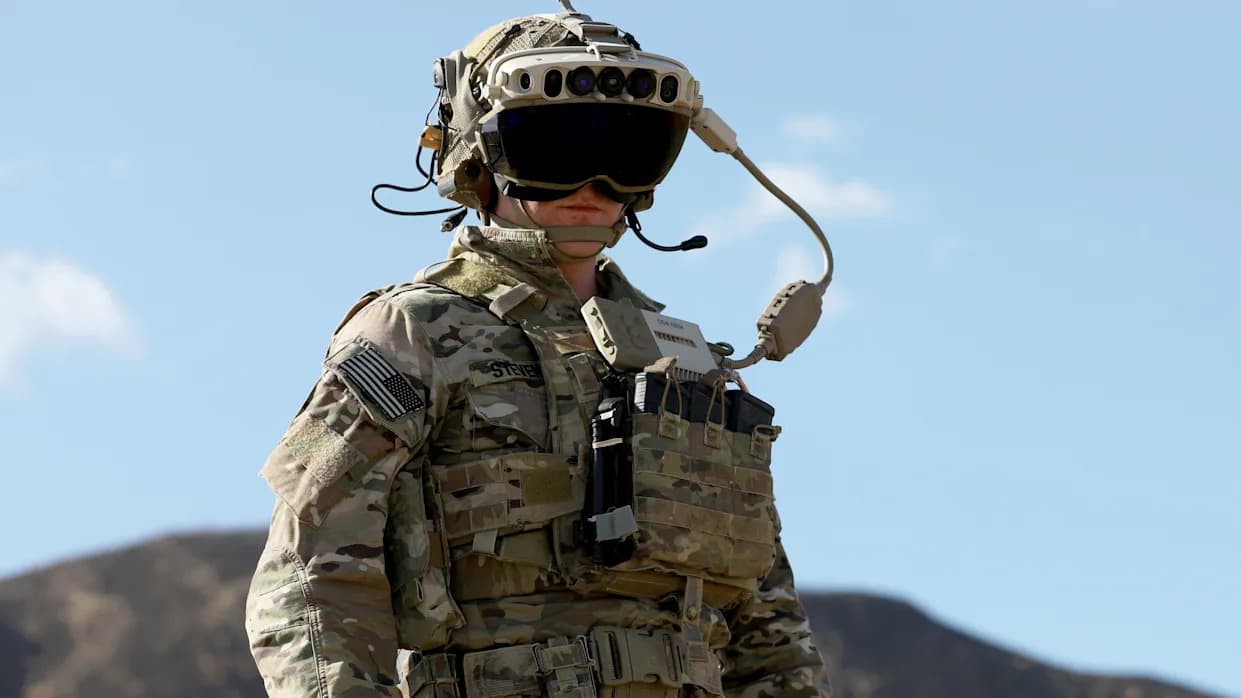
The Army spent close to $2 billion developing the now-shelved IVAS headset since 2018, a federal watchdog found.
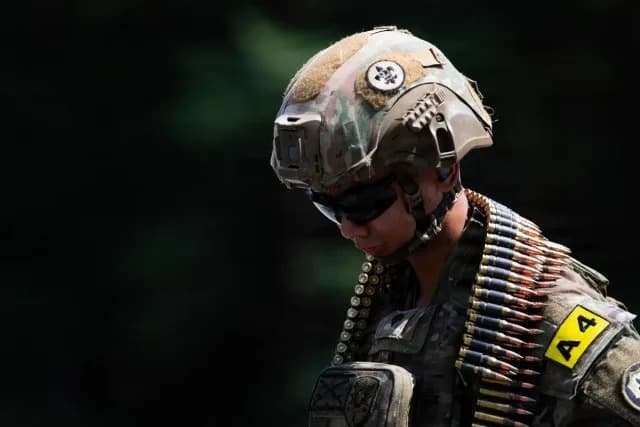
The Army spent roughly $1.8 billion acquiring nearly 10,000 Integrated Visual Augmentation System (IVAS) headsets intended to give soldiers a mixed-reality heads-up display. But a Government Accountability Office (GAO) review found the first two IVAS versions "have fallen short of soldiers' needs" and are unlikely to be broadly fielded; most units will go into storage, with some kept for testing.
Program Background
IVAS launched in 2018 as a high-profile effort to improve situational awareness on the battlefield. In November 2018 the Army awarded Microsoft a 10-year contract valued at up to $22 billion to develop and deliver IVAS prototypes. Early production resulted in nearly 10,000 units of the program's first two headset versions.
What the Watchdogs Found
GAO concluded that IVAS "has yet to deliver operational capability" after multiple iterations. Independent testing in 2022 found that soldiers using IVAS 1.0 engaged targets more slowly and hit fewer targets compared with existing equipment. Users reported human-factors problems including disorientation, eye and neck strain, headaches, and motion sickness during demonstrations and training exercises.
Carmen Malone, an assistant inspector general for DoD acquisition audits, told a House hearing that the Army's fast-moving and changing requirements pushed IVAS toward "immature technologies," triggering redesigns, delays, and higher costs.
Audit Concerns and Cost
A separate 2022 audit by the Department of Defense inspector general also found the program lacked defined "minimum user acceptance levels" to determine whether IVAS would meet soldier needs, warning that could risk wasting the broader program investment. GAO estimates the Defense Department spent about $1.8 billion on IVAS before the program was halted — a figure confirmed to reporters as matching the watchdog's own estimate.
Where the Army Is Headed
Despite IVAS's shortcomings, the Army has shifted to a new rapid-prototyping effort called Soldier Borne Mission Command (SBMC). In September 2025 defense firm Anduril announced it was selected to develop an SBMC prototype. Anduril has showcased an in-house headset called EagleEye at industry events; the company says EagleEye addresses IVAS complaints such as neck strain by relocating the battery to a ballistic chest plate to reduce weight on the wearer’s head.
Testing, Limited Use, And Public Reporting
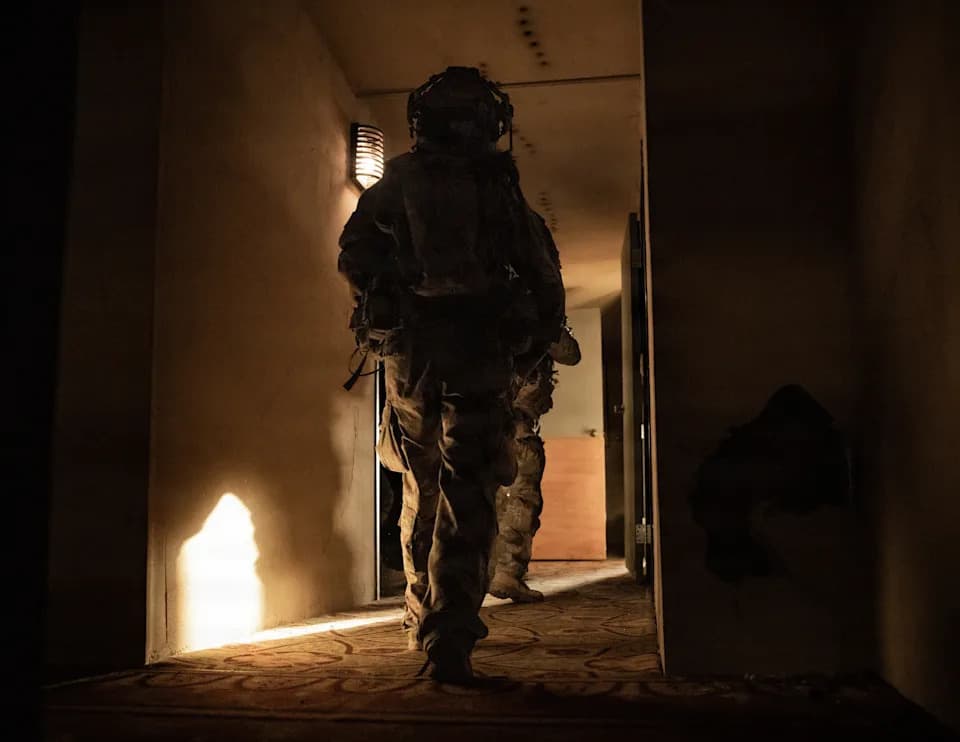
The Army released photos in 2024 showing soldiers using IVAS during training at Fort Drum, New York, and some troops reported using IVAS on patrols along the U.S.-Mexico border in 2025. As of the GAO report, Army officials had not replied to media questions about the program's status. GAO framed the IVAS review as part of a broader critique of DoD acquisition timelines, noting that the expected time to deliver an initial capability for major programs now often exceeds 12 years.
Implications
IVAS illustrates the challenges of rapidly integrating emerging technologies into combat systems: unclear requirements, immature technologies, human-factors limitations, and long acquisition timelines can combine to produce costly programs that fail to meet user needs. The Army's pivot to rapid prototyping reflects a desire to move faster and iterate more with field feedback — but the ultimate test will be whether SBMC prototypes deliver practical improvements that soldiers accept and use.
Help us improve.