The Indian Army has opened AASHVAST, a New Delhi lab to inspect military drones for swapped components and hidden software backdoors. Testing is conducted entirely offline — with no internet, no data copying and no software writes — to protect sensitive information. Technicians focus on component provenance, firmware integrity, hidden passwords and resilience to jamming or spoofing. Findings are ranked by severity and compiled into a single report for sign‑off.
Inside AASHVAST: Indian Army Opens New Lab To Expose Hidden Drone Hardware And Software Flaws
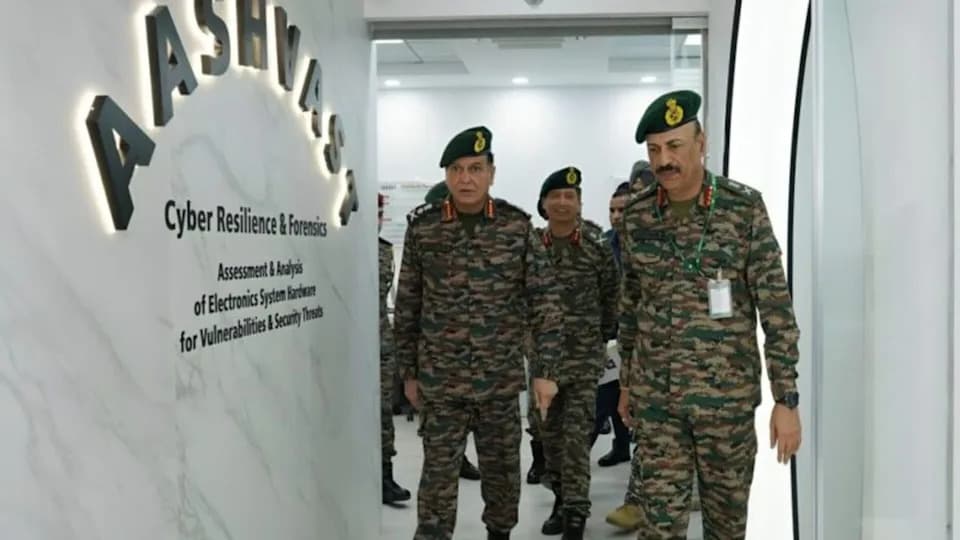
Credit: The Drone Front
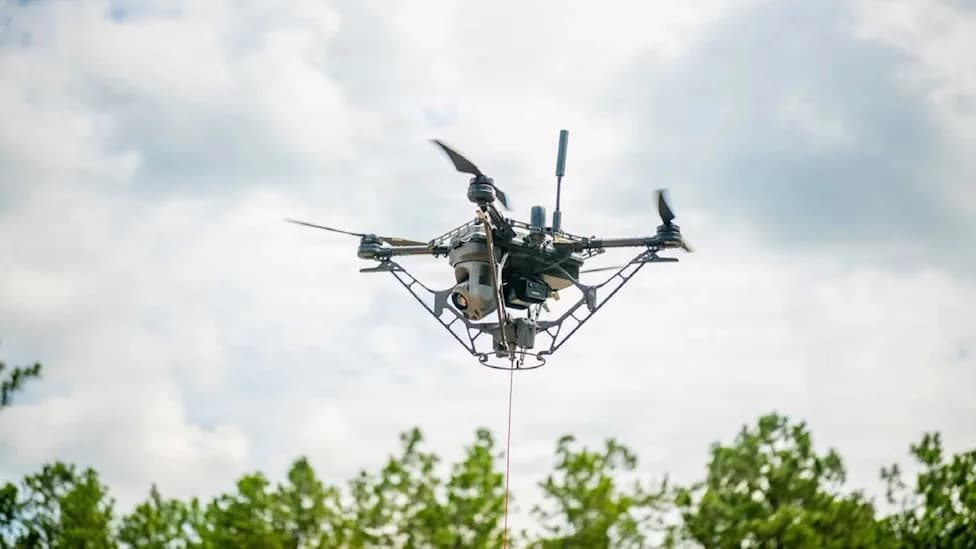
The Indian Army has launched a specialised laboratory in New Delhi to inspect military drones for concealed software vulnerabilities and unauthorised hardware components. Named AASHVAST (Assessment and Analysis of Electronic Systems Hardware for Vulnerabilities and Security Threats), the facility is intended to strengthen the security and supply‑chain integrity of the force's unmanned aerial systems.
What AASHVAST Does
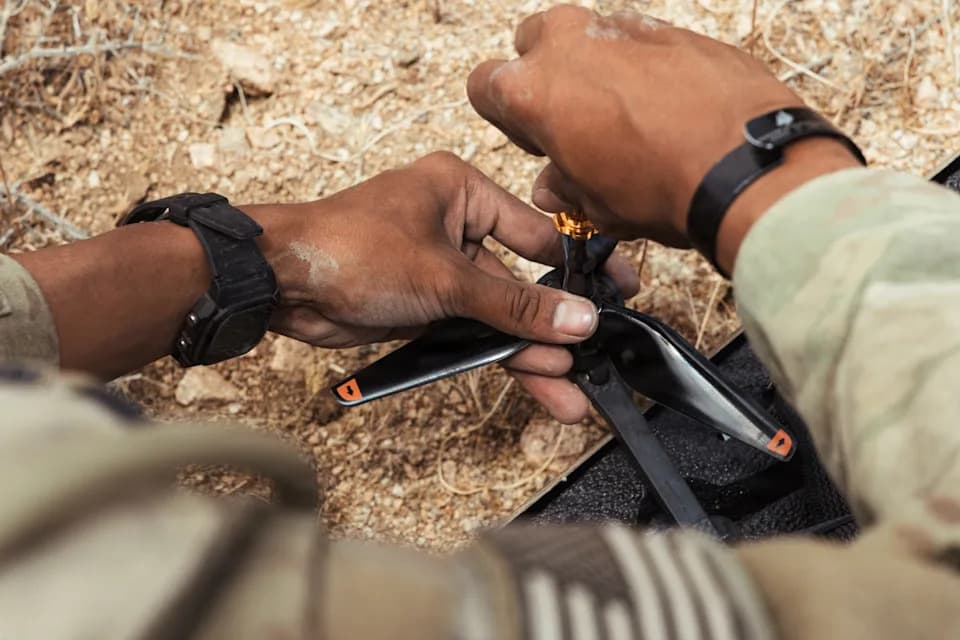
AASHVAST verifies that a drone's physical components match procurement documentation and flags cases where parts may have been swapped, substituted or sourced from unapproved suppliers. Investigators pay particular attention to circuit boards and microchips that could trace back to unauthorised manufacturers — with heightened scrutiny on components of Chinese origin, according to Indian officials.
Technicians perform deep firmware and hardware analysis on controllers, camera modules and other subsystems to hunt for concealed passwords, backdoor command channels and embedded encryption keys that might permit unauthorised access. The lab also inspects for modified flight‑control limits or other tools that could enable remote seizure of an aircraft.

Google logo on a black background next to text reading 'Click to follow TechRadar'
Secure, Offline Testing
All testing in AASHVAST is performed offline. The process runs without an internet connection, does not copy data from the tested system to external machines, and avoids writing back to the drone's software or firmware. This air‑gapped design is intended to keep classified information inside army custody and reduce the risk of sensitive data leakage.
The team also measures resilience against electronic attacks, including jamming and spoofing, to evaluate how navigation and sensor systems hold up under deliberate interference.
Reporting And Tools
Discovered vulnerabilities are ranked by severity and compiled into a single written report that both the testing technician and the approving officer review before sign‑off. AASHVAST runs on an analysis suite developed by QuickPay Tech, a Noida‑based UAV technology firm, which is designed to flag altered code, unexpected components and configuration anomalies that routine inspections might miss.
The laboratory is housed within the army's technical directorate at Delhi Cantonment and has been opened for broader use across the force. Army officials say AASHVAST should enhance cyber defences for sensitive platforms and support domestic defence electronics production. Analysts caution, however, that confirming a component's origin is only one part of assessing a drone's overall airworthiness and operational reliability, and it remains unclear how much this initiative will reduce reliance on foreign‑sourced parts.
Help us improve.