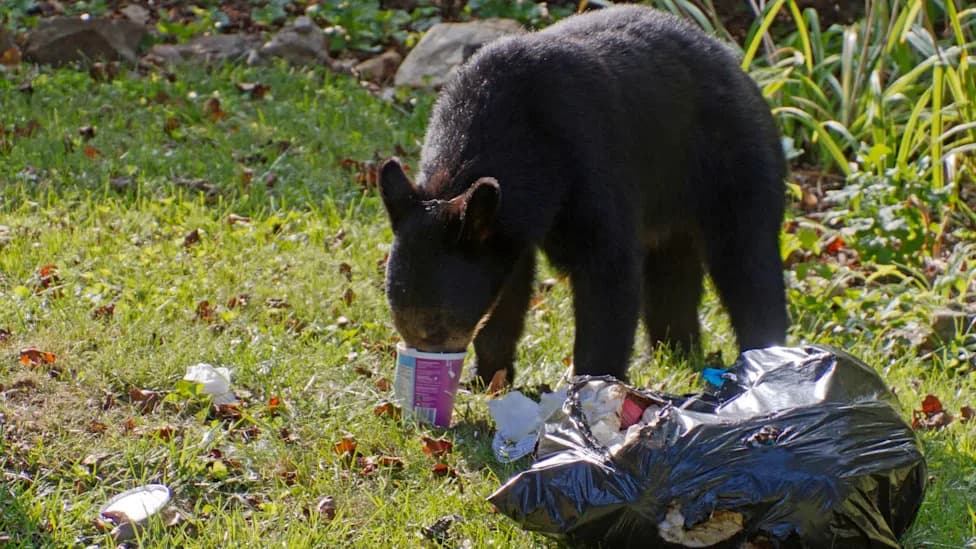
Ohio wildlife officials collared an unusually large male black bear — 576 pounds — in Ashtabula County to track its movements. Reported black bear sightings in Ohio hit a record 537 reports across 69 counties in 2025, with 289 confirmed. ODNR says female bears are establishing resident populations in northeast Ohio and urges residents to secure food sources and follow AWARE safety steps to reduce conflicts.
Nearly 600‑Pound Black Bear Collared in Ohio as Sightings Reach Record High
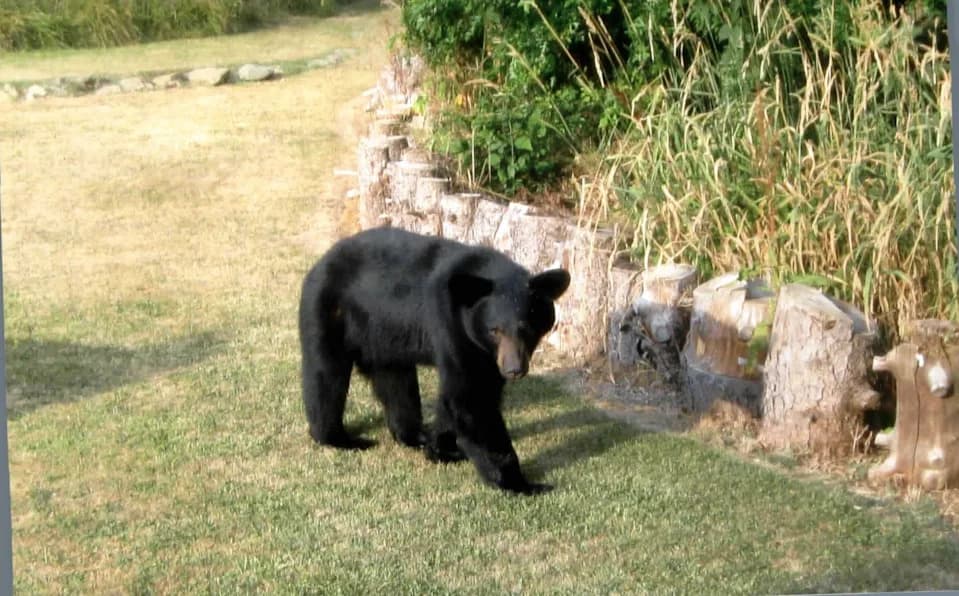
A bear is pictured walking through a yard in Hudson, Ohio, in 2012. Ohio had a record number of bear sightings in 2025.
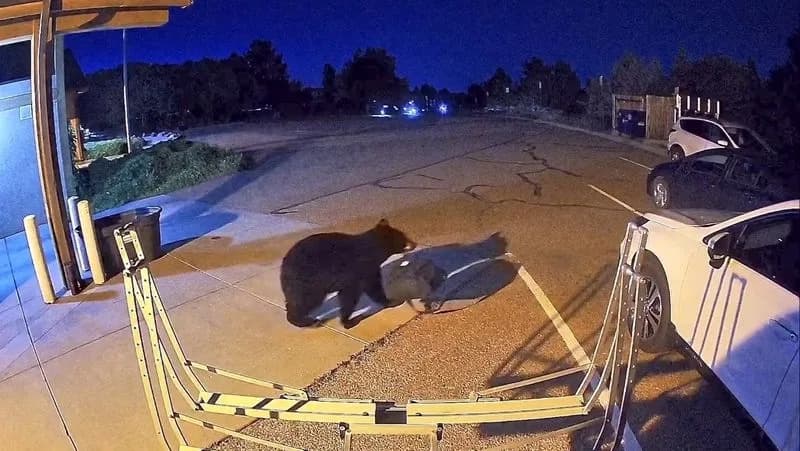
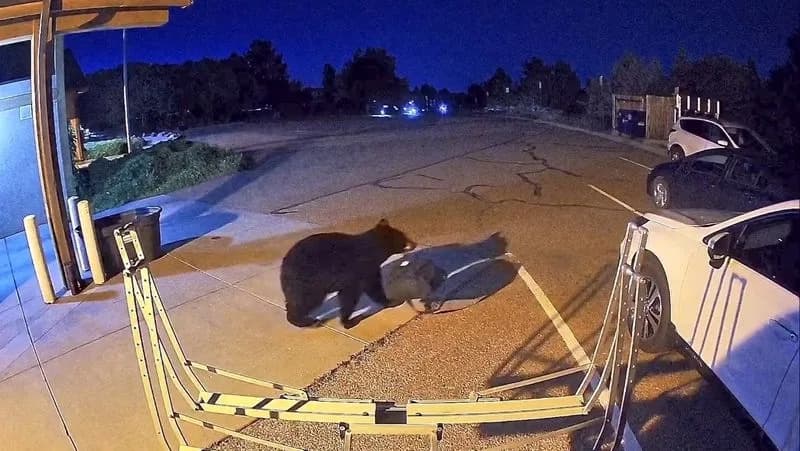
Ohio wildlife officials this week fitted a radio collar on an unusually large male black bear in Ashtabula County — a bear recorded at 576 pounds, nearly double the typical adult male weight. The collar, placed by the ODNR Division of Wildlife in cooperation with the Gantchoff Lab at the University of Dayton, will help researchers track the animal's movements and better understand bear behavior in the state.
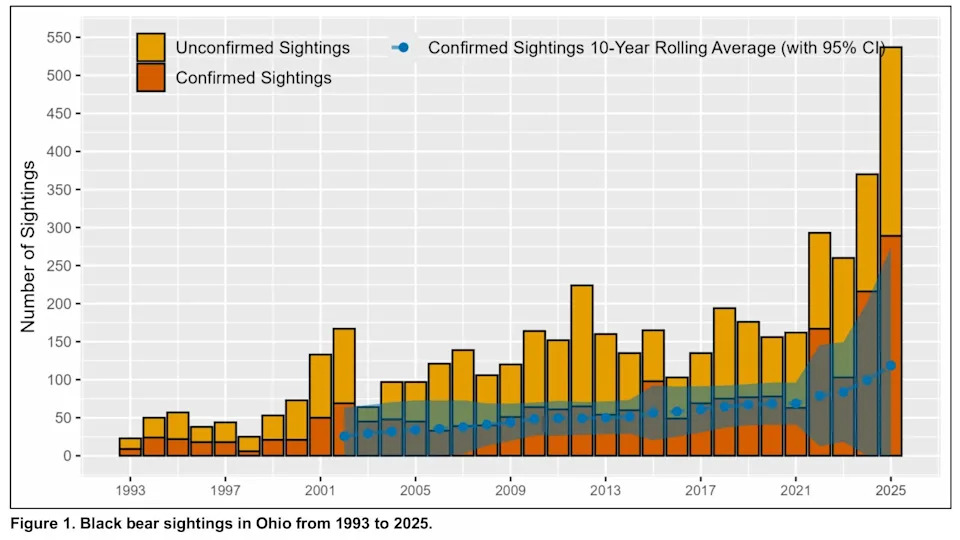
This graphic shows how black bear sightings have grown from 1993 to 2025.
Record Sightings and Growing Local Populations
The Ohio Department of Natural Resources (ODNR) reports that 2025 saw a record 537 reported black bear sightings across 69 counties, with 289 of those sightings confirmed based on photos, tracks, damage, or wildlife professional observations. That is a marked increase from 370 reported sightings in 2024 and reflects a broader regional rebound in black bear populations as numbers in neighboring states rise.
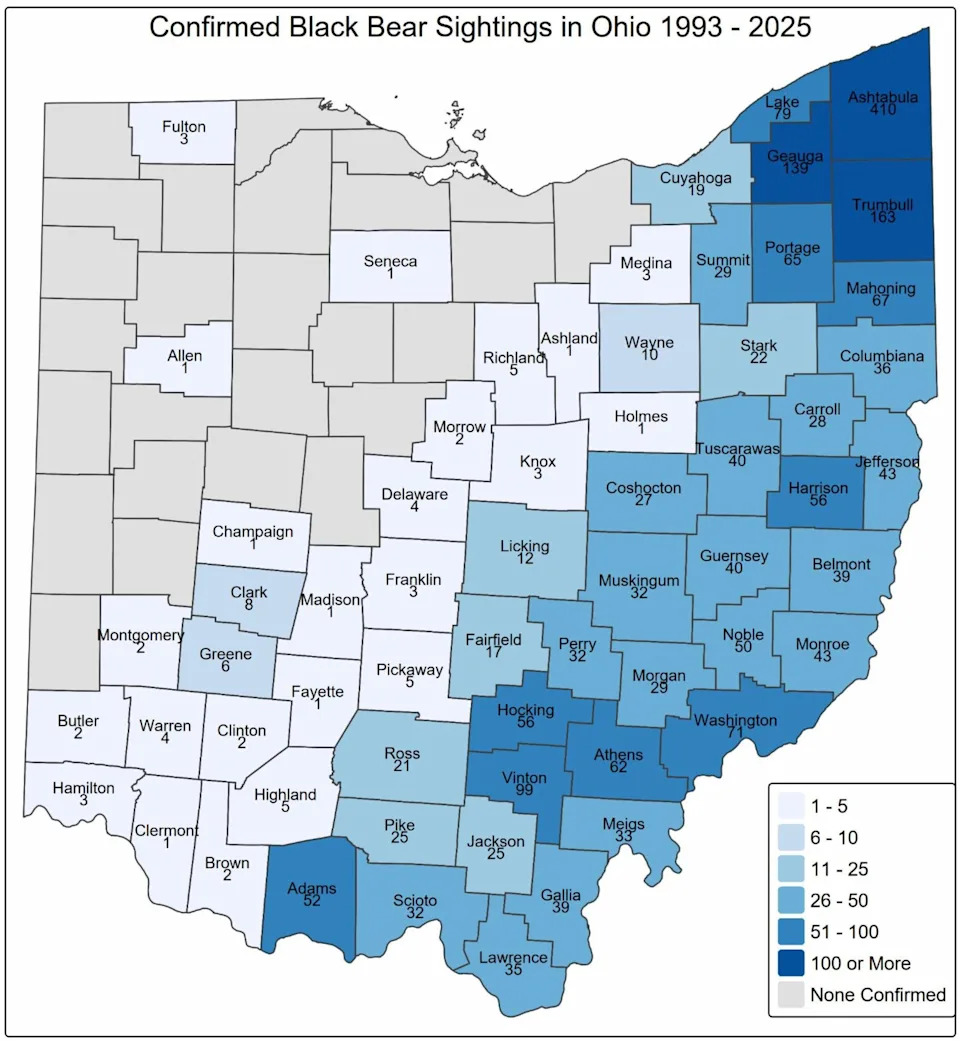
This map shows the total number of black bear sightings by county in Ohio from 1993 to 2025.
Resident Females Signal Reestablishment
Many bears seen in Ohio are transient males, but ODNR notes "consistent evidence" that female black bears have established resident ranges in northeastern Ohio. Photographs of females with cubs in Ashtabula County date back to 2016 and appear repeatedly from 2018 through 2025; females with cubs have also been documented in Geauga County in recent years. Female site fidelity — the tendency to stay once a home range is set — is an important indicator of a settling population.
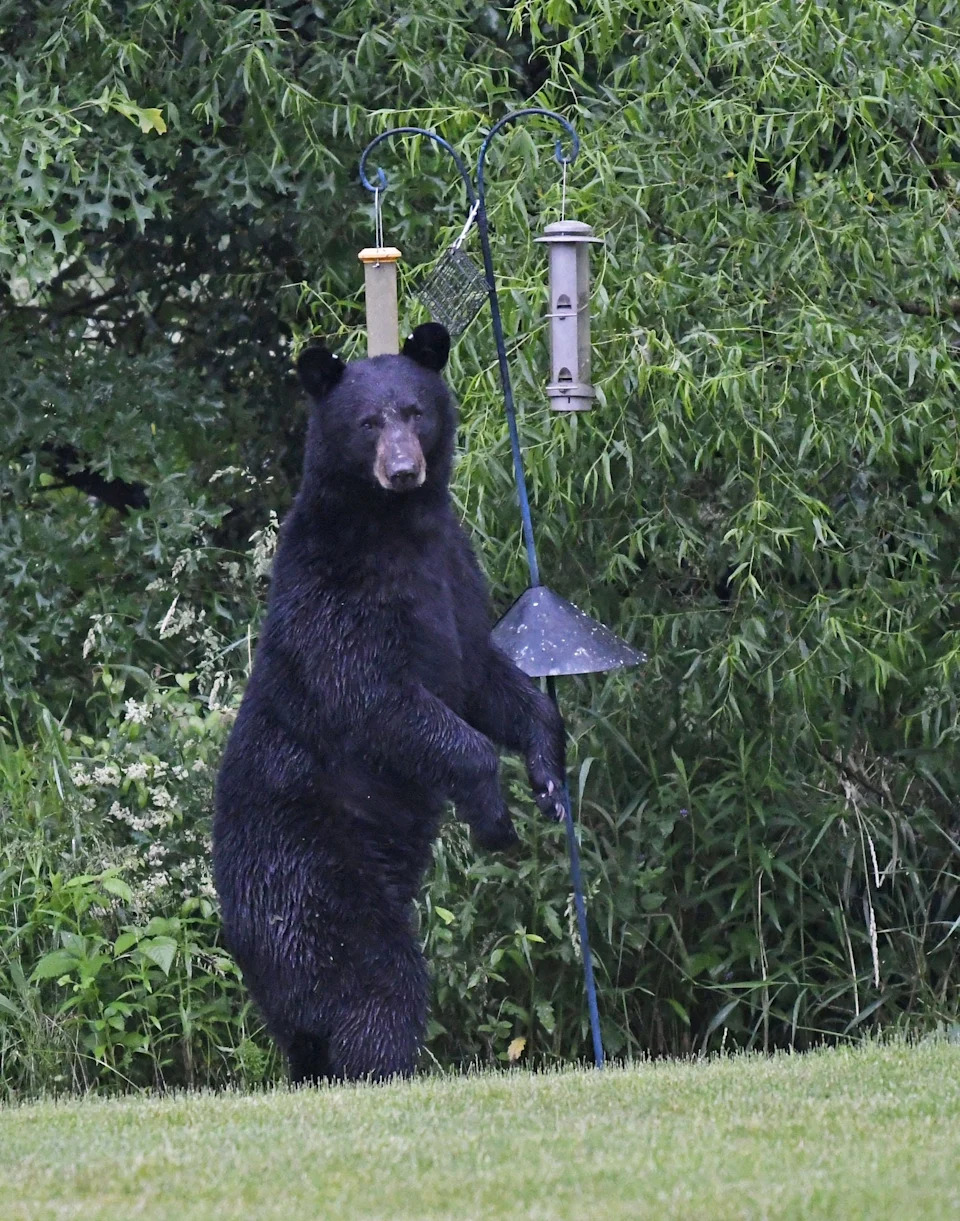
A black bear visits bird feeders in Medina County, Ohio. Wildlife officials put the number of black bears in Ohio at 50 to 100, with most venturing into the state from Pennsylvania and West Virginia
Where The Big Bear Was Collared
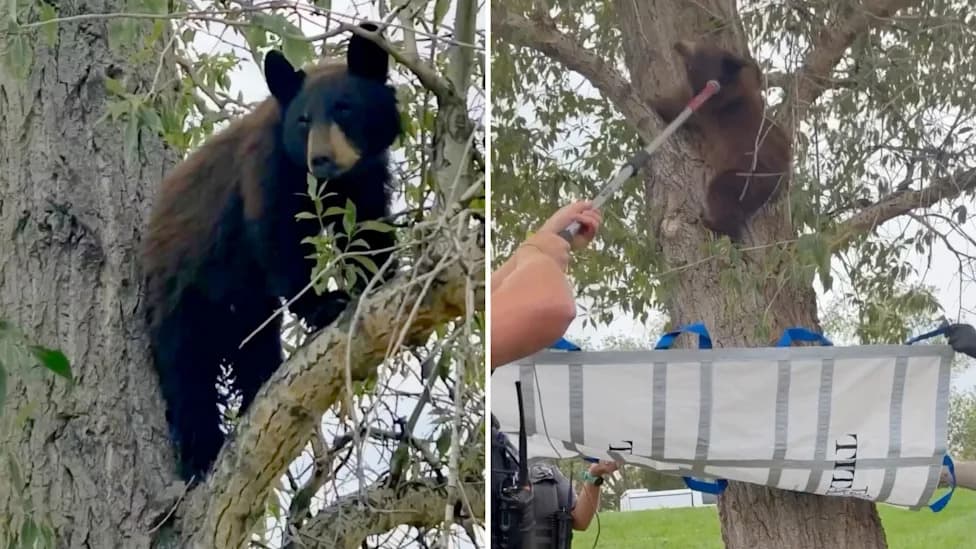
Biologist Katie Dennison described the collared animal as a "young middle‑aged" male likely visiting Ohio to breed. The collaring occurred in Ashtabula County and will provide continuous data on the bear's range, habitat use, and interactions with human environments to inform management and outreach.
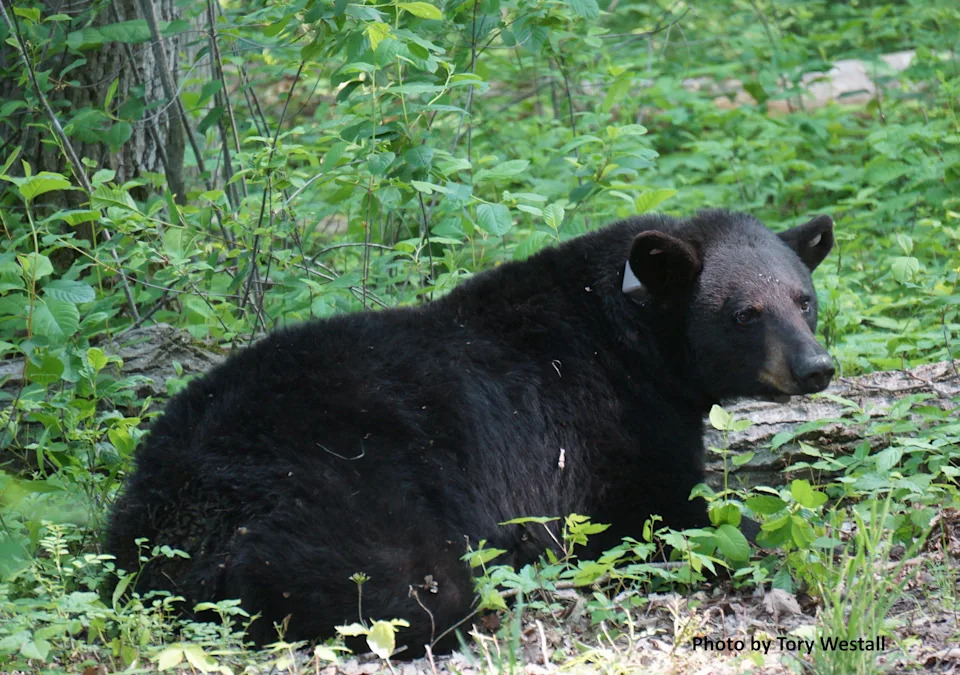
The black bear’s movements will be monitored to learn more about the species in Ohio.
Recent Local Sightings (2025–2026)
- A bear was nearly struck by a pickup truck while wandering a street in Youngstown on May 19, 2026.
- Roughly four bears were photographed in an Ashtabula County backyard in April 2026, climbing to reach bird feeders.
- A bear captured twice on a Knox County trail camera in December 2025 marked the first confirmed sighting there since 2021.
- Other reports include a decades‑first sighting near Pataskala and clusters of sightings near Cincinnati and Mansfield (one fatally struck by a vehicle).
How To Reduce Human–Bear Conflicts
ODNR estimates Ohio's resident black bear population at roughly 50–100 animals and emphasizes that many conflicts stem from accessible food sources. The Division of Wildlife offers prevention tips and will assist landowners dealing with nuisance bears.
- Remove bird feeders, including hummingbird and suet feeders.
- Store garbage in a garage or a secure, bear‑resistant container.
- Keep pet food indoors, especially overnight.
- Clean grill grease traps after use and store grills in a secure area.
- Use electric fencing around beehives.
- Harvest fruit from berry bushes promptly and scare bears from crops at the first sign of damage.
If a bear is causing property damage or behaving as a nuisance, contact your county wildlife officer or the Division of Wildlife district office at 1‑800‑WILDLIFE (800‑945‑3543) or email [email protected]. Sightings may also be reported online at wildohio.gov or via the Wildlife Species Sighting Report.
Safety If You Encounter A Bear
Black bear attacks on people are rare. To reduce risk, ODNR recommends the AWARE steps:
- Act calm and do not run.
- Warn the bear by speaking firmly in a calm voice.
- Allow space — step aside and back away slowly; do not block the bear's escape route.
- Raise your hands and make noise (shout, clap) if the bear approaches to appear larger and deter it.
- Exit the area once the bear retreats or you have a clear, safe route.
Biology And Behavior Snapshot
Black bear coat color varies and can include black, brown, cinnamon, blue‑black and, rarely, white. Adults typically weigh between 150 and 700 pounds; males average about 300 pounds while females average around 175 pounds. Home ranges vary by sex — males often use 100–120 square miles in upland hardwoods; females typically range 24–50 square miles. Bears are omnivores (grasses, berries, carrion, insects, and crops) and usually hibernate November through March, though warm conditions can lead to winter activity.
Note: This article is based on reporting originally published by the Akron Beacon Journal and on data released by the Ohio Department of Natural Resources.
Help us improve.