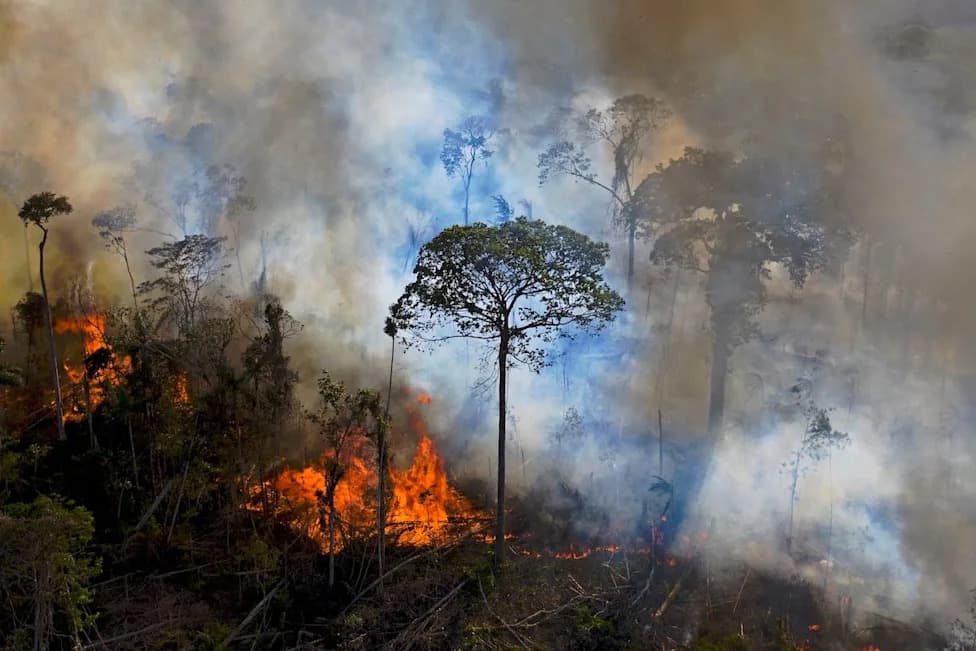
Recent research finds the most extreme climate‑change emissions pathway used in many models is now considered implausible because global fossil‑fuel use trends have slowed. However, humanity has crossed the 1.5°C global‑average warming threshold and is likely to remain above it, pushing Earth into previously unseen climate territory. That raises the risk of tipping points that could trigger rapid, irreversible changes. The takeaway: progress matters, but significant risks and much work remain.
Good and Bad Climate News — An Astrophysicist Explains What’s Changed and What Still Threatens Us
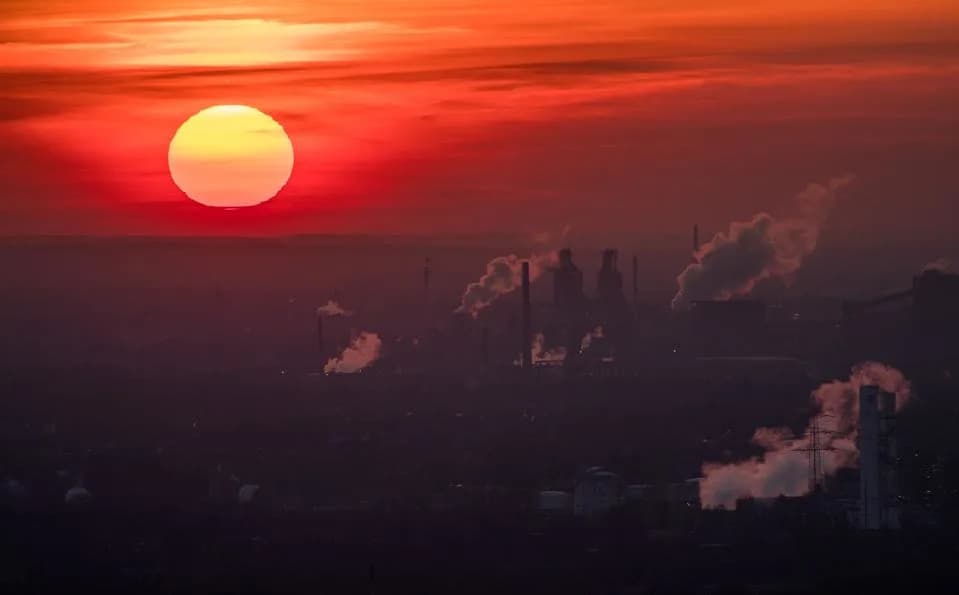
O (Photo by Lukas Schulze/Getty Images)Getty Images
Humans are an exceptionally successful species. A few hundred thousand years ago there were fewer than one million of us (all in Africa); today we number about 8 billion and inhabit the entire globe. That success has come at a cost: the energy we have extracted from the planet — largely stored solar energy in the form of fossil fuels — has altered the atmosphere and pushed the climate system into unfamiliar territory.
Climate change presents serious, long‑term risks (just ask any insurance company). Scientists have worked for decades to quantify those risks. Over roughly the last year we have seen both encouraging and worrying developments; below I briefly walk through each.
Good News
In a paper published a few weeks ago, researchers concluded that the most extreme "worst‑case" emissions pathway used in many past studies can now be taken off the table. To make climate projections comparable, researchers developed a set of standardized CO2 emissions pathways representing different possible futures for fossil‑fuel use. Because CO2 is the greenhouse gas that matters most for long‑term warming, each pathway is fed into climate models to forecast what Earth might look like by 2100.
The encouraging finding is that the most extreme trajectory — the one that produced the most severe projected warming — now appears implausible. Why? Because human behavior and policy have changed enough that the underlying assumptions about runaway fossil‑fuel growth no longer match observable trends. In short: although global action has been insufficient, it has produced measurable effects that reduce the likelihood of the very worst modeled outcome. That progress is worth noting and building on.
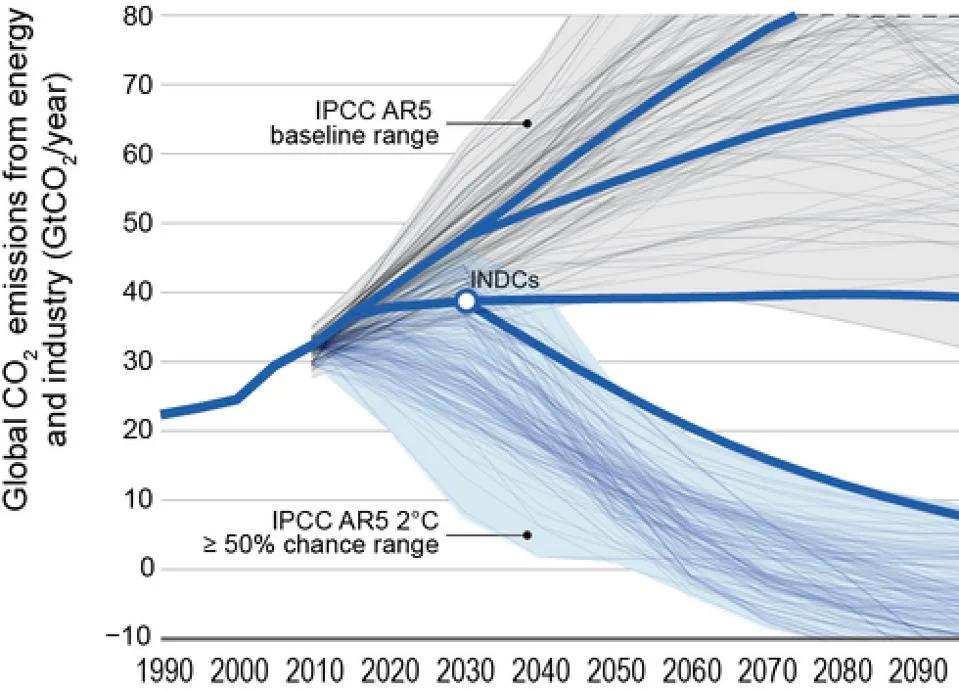
Examples of different future emissions trajectories. Because we've taken climate action the most extreme of these have now been deemed unlikely to occur. Most of the others still pose problems for our kids though.Wiki Commons
Bad News
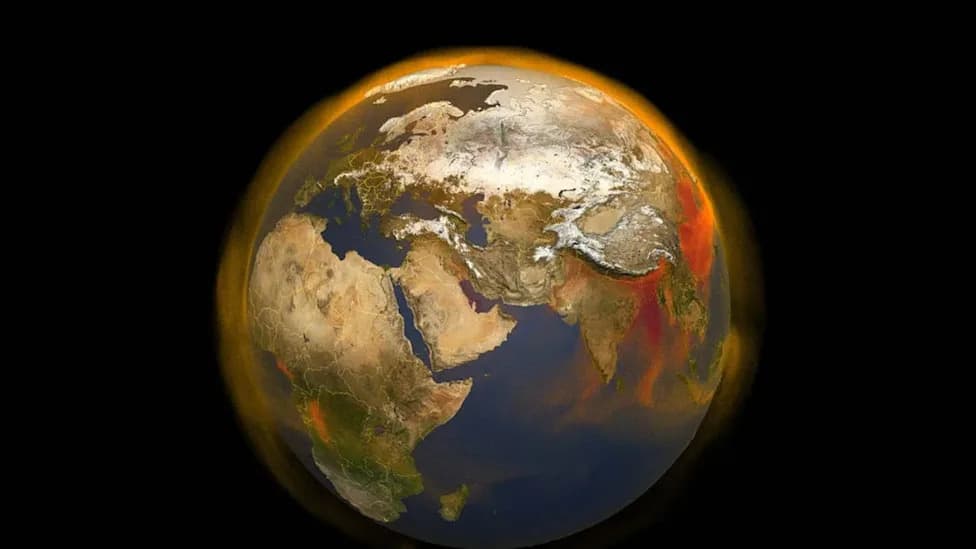
Even with the most extreme emissions scenario removed, we are still driving Earth toward a different climate state. Scientists and policymakers long ago identified a 1.5°C rise in global average temperature as a critical red line — derived from temperature variability across the last ~12,000 years of the Holocene. Recent analyses indicate humanity has, for the first time, crossed that 1.5°C threshold, and it appears likely we will remain above it permanently unless emissions fall quickly and dramatically.
Crossing and remaining above 1.5°C pushes the planet into genuinely uncharted territory and raises the risk of tipping points — thresholds beyond which rapid, irreversible changes could occur (for example, accelerated ice‑sheet loss, large permafrost carbon releases, or major shifts in ocean circulation). Those risks mean even modest additional warming can have outsized, long‑lasting consequences.
What To Take Away
We should acknowledge and build on the good news — measurable reductions in the likelihood of the most extreme future — while confronting the sobering reality that significant risks remain. Avoiding the worst outcomes will require faster emissions reductions, stronger policy, technological deployment, and international cooperation. The work is still ahead.
Originally published on Forbes.com
Help us improve.