The viral song beginning "First time in San Juan, mi hijo" was created by Bill Stiteler (Saxboy Billy) using the AI music tool Suno and has surpassed one million TikTok views, drawing celebrity lip-syncs. Many Puerto Ricans welcome the spotlight as a celebratory nod to their culture, while others raise concerns about AI-driven creation and limited local collaboration. The track has prompted broader conversations about identity, tourism and persistent issues like the island's unstable power grid.
“First Time In San Juan, Mi Hijo”: Puerto Ricans React To A Viral AI-Made Song
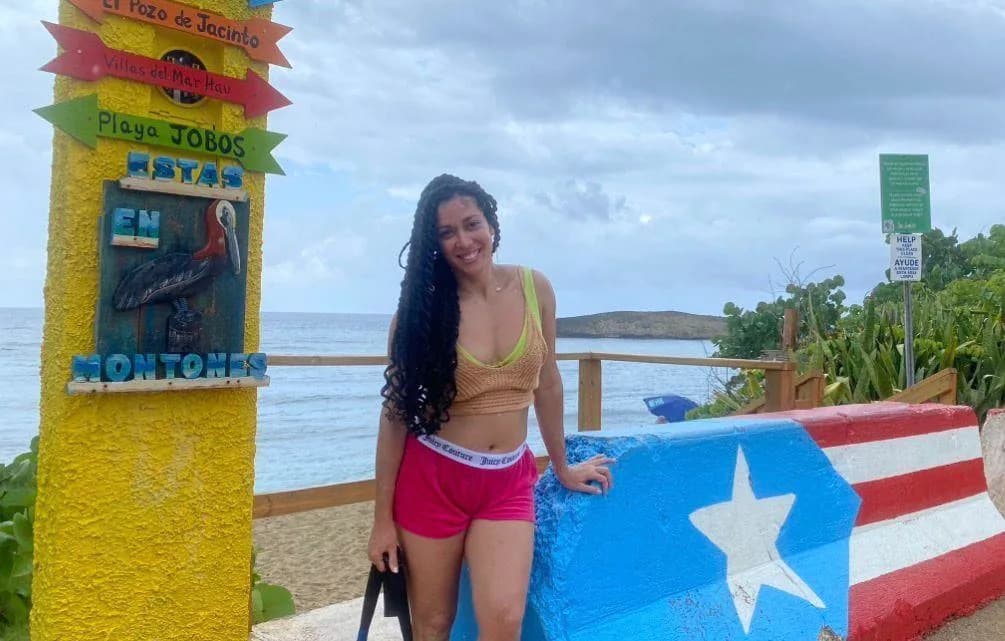
Puerto Rican podcaster Debbie Perez says the viral song opens the door for cultural conversations [Supplied]
A short, catchy song that opens with the line "First time in San Juan, mi hijo" has swept across social media in recent weeks, decorated with Puerto Rico's red, white and blue flag emoji and sung by creators around the world.
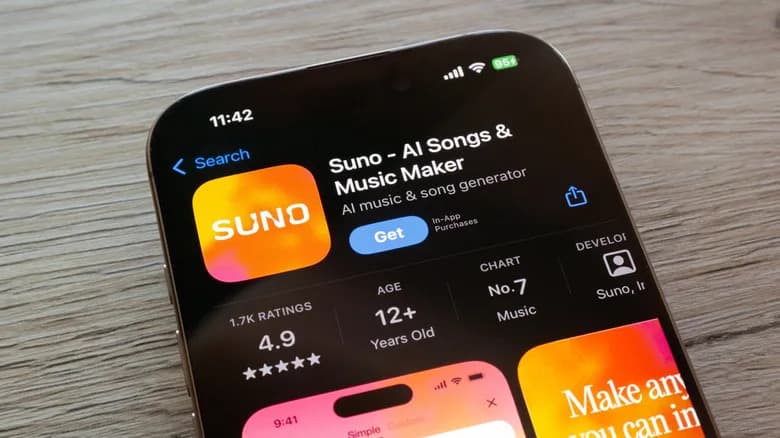
The track was written and posted by internet personality and comedian Bill Stiteler, known online as Saxboy Billy. Stiteler says he used the AI music tool Suno to turn his lyrics into a finished song. Since its release the clip has racked up more than a million views on TikTok and inspired celebrity lip-syncs from the likes of Mila Kunis, Charlie Puth and Jennifer Love Hewitt.

Chef Maria Mercedes Grubb says it feels like Puerto Rico's culture is on the map [Supplied]
Local Reactions: Pride, Playfulness and Questions
For some Puerto Ricans the viral tune feels like a joyful spotlight on the island. "To see the song being played by people who aren't Puerto Rican is amazing. It feels like we're on the map," says Maria Mercedes Grubb, a chef in San Juan. She points to small, familiar details in the lyrics—like passengers clapping when the plane lands—that ring true to many residents.
"You can tell that there was genuine input about things that matter to the island. He used AI in such a clever way." — Maria Mercedes Grubb
Others welcome the attention but urge deeper engagement. Debbie Perez, host of the Boriken podcast that explores Puerto Rican history, says the song has opened doors to more nuanced conversations about identity, tourism and social challenges. At the same time, some critics say the track’s heavy reliance on AI and the limited involvement of Puerto Rican artists risks flattening complex realities into a catchy refrain.

Maria says her restaurant felt the boom of Bad Bunny's concert residency [Supplied]
Context: Culture, Tourism And Infrastructure
Many videos set to the tune show sunny outfits and sunglasses, evoking vacations and the island's tourism appeal. At its core, listeners hear a love letter to Puerto Rico — a northeastern Caribbean island with a population of roughly 3.2 million where both Spanish and English are official languages and which is a self-governing unincorporated U.S. territory.
Locals also frame reactions against recent cultural milestones. Perez and Grubb point to superstar Bad Bunny’s influence — his two-month concert residency in San Juan last summer was credited in reports with injecting an estimated $200 million into the local economy — as an example of how artists can spotlight the island on the world stage.
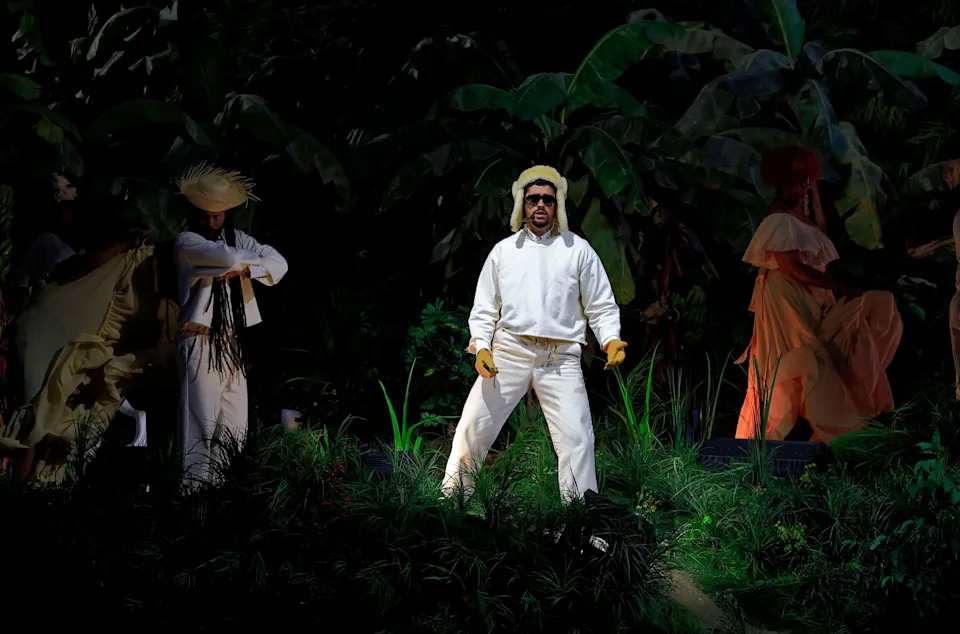
Bad Bunny concluded his residency at the Coliseo de Puerto Rico in San Juan in September 2025 [EPA]
But attention on culture does not erase ongoing challenges. Puerto Rico’s power grid remains fragile after Hurricane Maria in 2017; some reports say residents experienced an average of about 27 hours of outages per person per year between 2021 and 2024. Bad Bunny’s protest song "El Apagón" and his recent Super Bowl performance — in which he highlighted electrical outages visually and thematically — are often cited as examples of pop culture probing social issues.
What The Song Means To People
Stiteler has described his own creation as "silly and goofy," but for many Puerto Ricans the earworm is more than a novelty. It has stirred curiosity, conversation and a reminder that portrayal matters. "Art opens the door to curiosity — just like Bad Bunny opened the door," says Perez, underscoring an appetite for cultural exchange that also respects local voices and lived realities.
Bottom line: The viral AI-made song has amplified Puerto Rico's presence on social platforms and sparked mixed but meaningful reactions — pride and amusement, alongside calls for deeper, locally driven storytelling about the island’s culture and challenges.
Help us improve.