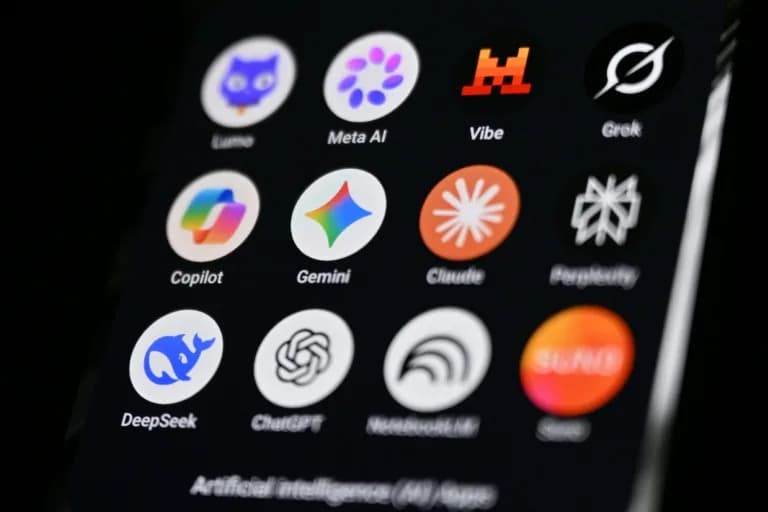
Quick summary: The 119th Congress is considering a suite of bipartisan music bills that could affect artists, fans and the business of music. Key measures include limits on using song lyrics in prosecutions (RAP Act), rights to block AI deepfakes (NO FAKES Act), performance royalties for terrestrial radio (American Music Fairness Act), ticketing transparency and several AI-related transparency and labeling proposals (TRAIN, CLEAR, AI Labeling). Many bills have industry backing and several have already moved through committees or passed a chamber.
Music Legislation Moving Through the 119th Congress: Full Updated Guide
Music-Related Legislation Before Congress Right Now: Full List of Bills (UPDATING)
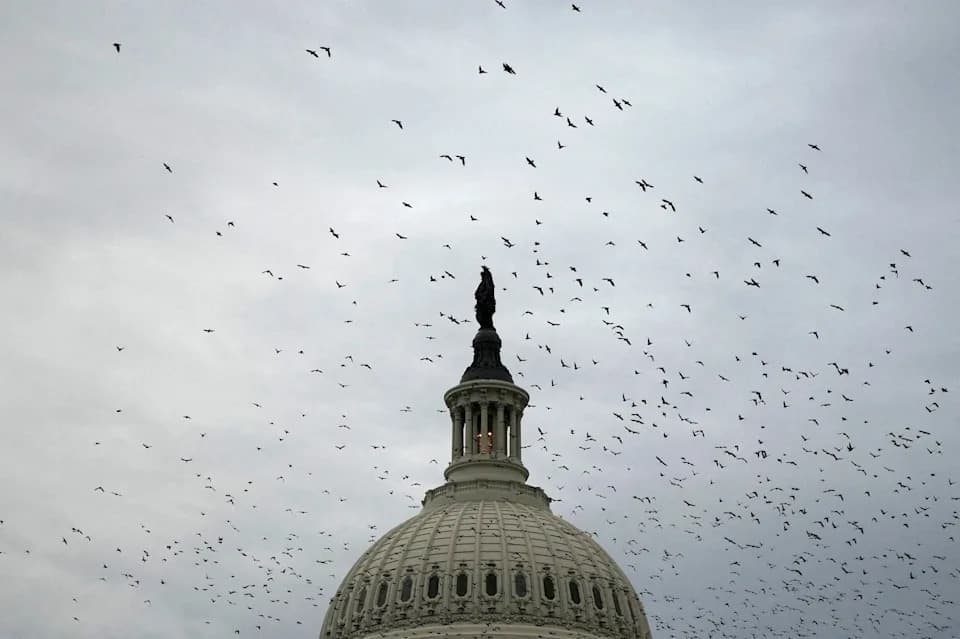
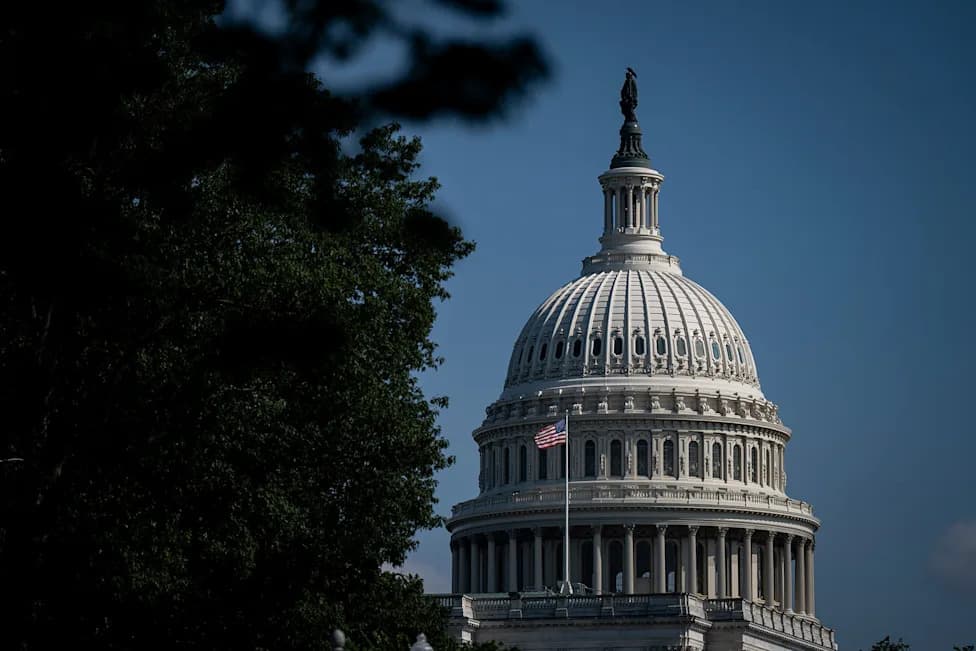
The 119th U.S. Congress is weighing a wave of music-related bills that could reshape how songs are created, licensed, performed and monetized. These proposals address issues from criminal prosecutions that cite song lyrics to AI deepfakes, radio royalties, ticketing practices and protections for live events. Many measures have bipartisan backing and broad industry involvement, and several have cleared key committee hurdles or passed one chamber.
Restoring Artistic Protection (RAP) Act
What it does: Limits federal prosecutors’ use of song lyrics and other creative works as evidence of criminal intent or character. The bill seeks to protect artists—especially hip-hop performers—whose lyrics are sometimes cited in criminal cases.
Status & sponsors: First introduced in 2022 and reintroduced in subsequent sessions, the RAP Act was referred to the House Judiciary Committee after its July 2025 House reintroduction. Co-sponsors include Reps. Hank Johnson (D-Ga.) and Sydney Kamlager-Dove (D-Calif.).
Support: Backed by the Recording Academy, RIAA, Warner Music Group, Universal Music Group and Live Nation.
NO FAKES Act (Nurture Originals, Foster Art and Keep Entertainment Safe)
What it does: Creates legal rights over a person’s digital likeness to combat AI-enabled deepfakes, including notice-and-takedown provisions and liability protections for hosting platforms.
Status & sponsors: First introduced in 2024 and revised in April 2025 and May 2026. The Senate Judiciary Committee unanimously endorsed the updated bill in June 2026, moving it closer to a full Senate vote. Sponsors include Sens. Marsha Blackburn (R-Tenn.), Chris Coons (D-Del.), Thom Tillis (R-N.C.) and Amy Klobuchar (D-Minn.), and House sponsors such as Rep. María Elvira Salazar (R-Fla.) and Rep. Madeleine Dean (D-Penn.).
Support: Supported by YouTube, Spotify, the Recording Academy, RIAA, WMG, UMG and Sony.
American Music Tourism Act
What it does: Directs the U.S. Department of Commerce to develop strategies to promote music-related cultural tourism—highlighting sites like Graceland and the Grammy Museum.
Status & sponsors: Introduced in 2024 and reintroduced in January 2025; versions passed both the House (April 2025) and the Senate (May 2025), and the final House approval occurred in September 2026. Sponsors include Sens. Marsha Blackburn and John Hickenlooper (D-Colo.), and Reps. Diana Harshbarger (R-Tenn.) and Nanette Barragán (D-Calif.).
Support: Recording Academy, RIAA, NMPA, Rock & Roll Hall of Fame and Memphis Music Hall of Fame.
American Music Fairness Act
What it does: Would require U.S. AM/FM terrestrial radio stations to pay performance royalties to performers and record labels, closing the gap that currently exempts them from performer payments.
Status & sponsors: Introduced originally in 2021 and reintroduced multiple times, the bill returned to both chambers in January 2025 and has been referred to Judiciary Committees. The Senate IP subcommittee held a hearing in December 2025 where Gene Simmons testified in favor. Sponsors include Sens. Marsha Blackburn, Thom Tillis, Alex Padilla and Cory Booker; Reps. Darrell Issa and Jerry Nadler in the House.
Support: Recording Academy, RIAA, SoundExchange and the American Federation of Musicians.
Mitigating Automated Internet Networks (MAIN) for Event Ticketing Act
What it does: Strengthens enforcement of the BOTS Act by imposing reporting and security requirements on ticket sellers to reduce automated scalper bots and improve fairness for buyers.
Status & sponsors: Introduced in 2023 and reintroduced in 2025; approved by the Senate Commerce Committee and under consideration in the House Energy & Commerce Committee. Sponsors include Sens. Marsha Blackburn and Ben Ray Luján and Reps. Diana Harshbarger and Troy A. Carter Sr.
Support: Recording Academy, RIAA, Live Nation and the National Independent Venue Association (NIVA).
Transparency in Charges for Key Events Ticketing (TICKET) Act
What it does: Requires event promoters and ticket sellers to display the all-in ticket price (including fees and taxes) upfront before checkout to increase pricing transparency for consumers.
Status & sponsors: First introduced in 2023, passed the House in 2024 and again in April 2025, and approved by the Senate Commerce Committee in April 2025; it is advancing toward a Senate floor vote. Sponsors include Sens. Ed Markey and Eric Schmitt, and Reps. Jan Schakowsky and Gus Bilirakis.
Support: Recording Academy, Live Nation, Vivid Seats and StubHub. (A prior draft incorrectly listed NIVA as a supporter; that was corrected.)
Protecting Outdoor Concerts Act
What it does: Authorizes the FAA to restrict low-altitude flights around outdoor music festivals and concerts—similar to protections currently available to major sporting events—to enhance attendee safety.
Status & sponsors: Introduced in 2021 and reintroduced in April 2025 by Rep. Raul Ruiz (D-Calif.); referred to the House Transportation and Infrastructure Committee.
Support: AEG and other festival organizers.
TRAIN Act (Transparency and Responsibility for Artificial Intelligence Networks)
What it does: Gives creators a mechanism to learn whether their works were used to train generative AI models without permission by allowing subpoenas for training data through a process similar to anti-piracy tools.
Status & sponsors: Introduced in the Senate in 2024 and reintroduced in July 2025 by Sens. Marsha Blackburn, Peter Welch, Adam Schiff and Josh Hawley; introduced in the House in January 2026 by Reps. Madeleine Dean and Nathaniel Moran. Referred to Judiciary Committees.
Support: RIAA and the Recording Academy.
CLEAR Act (Copyright Labeling and Ethical AI Reporting)
What it does: Would require tech companies to file public reports with the U.S. Copyright Office disclosing protected works used in training datasets for generative AI models and proposes civil fines for noncompliance.
Status & sponsors: Originated as the Generative AI Copyright Disclosure Act in 2024 and was reintroduced as the CLEAR Act in February 2026 by Rep. Adam Schiff and Sen. John Curtis. Referred to committees.
Support: RIAA, the Recording Academy, NMPA and SoundExchange.
Protect Working Musicians Act (PWMA)
What it does: Seeks an antitrust exemption to allow independent musicians to collectively negotiate licensing terms with AI companies and streaming platforms.
Status & sponsors: First proposed in 2021 and retooled for AI issues in 2023, the PWMA was reintroduced in the House in May 2026 by Reps. Deborah Ross, Steve Cohen and Lloyd Doggett and referred to the House Judiciary Committee.
Support: Recording Academy, NMPA, A2IM and Music Artists Coalition.
AI Labeling Act
What it does: Requires AI-generated content—including audio—to carry a machine-readable watermark or tag disclosing that AI was used; platforms and AI companies would bear the compliance burden (current drafts exclude music streaming platforms).
Status & sponsors: First introduced in 2023 and reintroduced in the Senate in June 2026 by Sens. Brian Schatz, John Curtis and Mark Warner.
Support: Music Creators North America, Society of Composers and Lyricists and the Songwriters Guild of America.
These bills reflect lawmakers' and industry leaders' efforts to address evolving challenges at the intersection of music, technology and commerce—balancing creators’ rights, consumer protections and platform responsibilities. Billboard will continue to track each measure’s progress and update this guide as votes, amendments and new proposals emerge.
Help us improve.