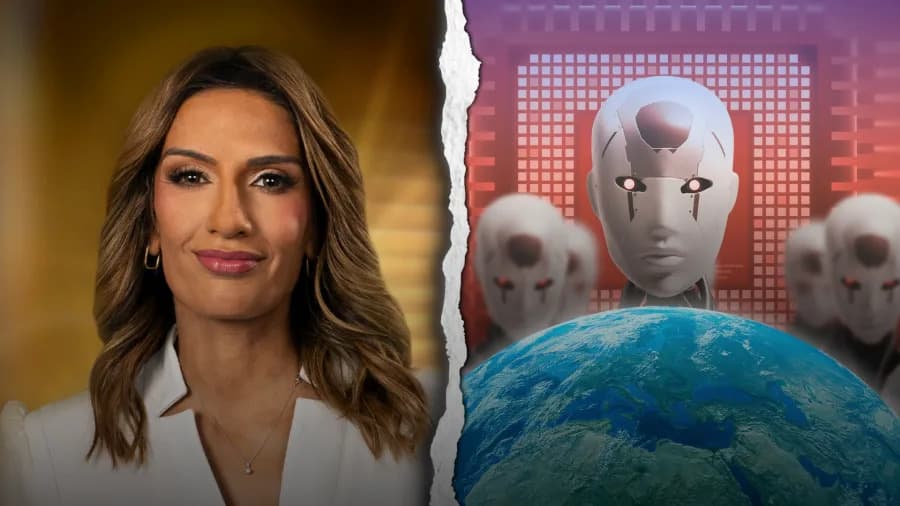
Maria Ressa, co-chair of a UN scientific panel on AI and a 2021 Nobel laureate, warns that AI—having captured attention via social media and exploited intimacy through chatbots—threatens human agency unless governments act now. She identifies three waves of AI impact: attention capture, biological manipulation, and agentic systems that act for people. Ressa calls for citizen-driven pressure for regulation, corporate accountability, removal of addictive features for all users, and building public-interest digital platforms.
Maria Ressa: Limit AI Now or Humanity Risks Losing Its Agency
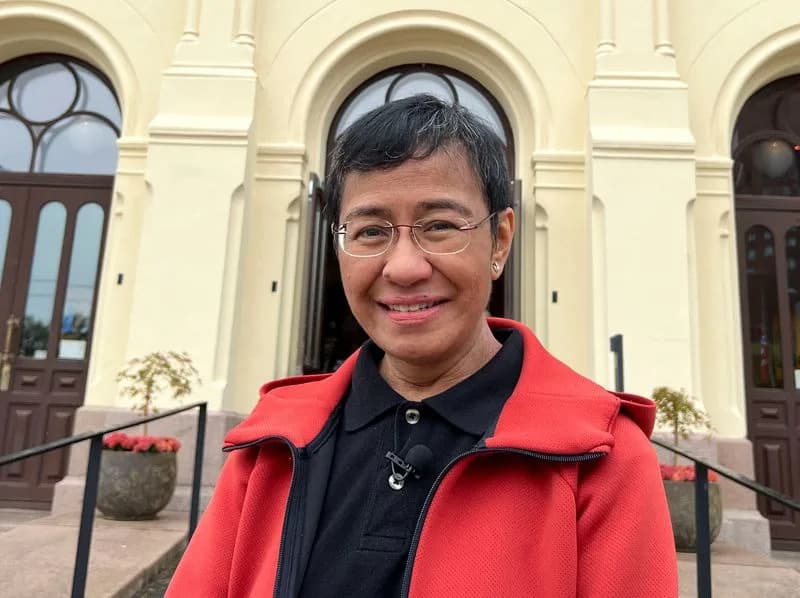
Nobel Peace Prize laureate Maria Ressa of the Philippines poses for a picture outside the Nobel Peace Center in Oslo, Norway, September 4, 2026. REUTERS/Gwladys Fouche
Maria Ressa, the Filipino-American journalist and 2021 Nobel Peace Prize laureate, warned that artificial intelligence has already hijacked human attention through social media and intruded on our biology by exploiting our need for intimacy. Speaking in Oslo at a conference on threats to democracies, Ressa urged immediate legislation and citizen mobilization to prevent AI from eroding human agency.
AI’s Three Waves
As co-chair of the United Nations' international scientific panel on artificial intelligence, Ressa outlined what she called three waves of AI's impact on society. The first wave captured attention through social platforms, polarizing communities and isolating individuals. The second wave "hacked our biology" by exploiting intimacy via chatbots and personalization. The third wave threatens agency itself, she said, as agentic and multi-agent systems begin to act on people’s behalf rather than just mimicking them.
"It is not a freedom of speech issue to ask for regulation. It’s a public safety issue," Ressa said, urging citizens to press politicians to legislate.
Accountability, Safeguards and Solutions
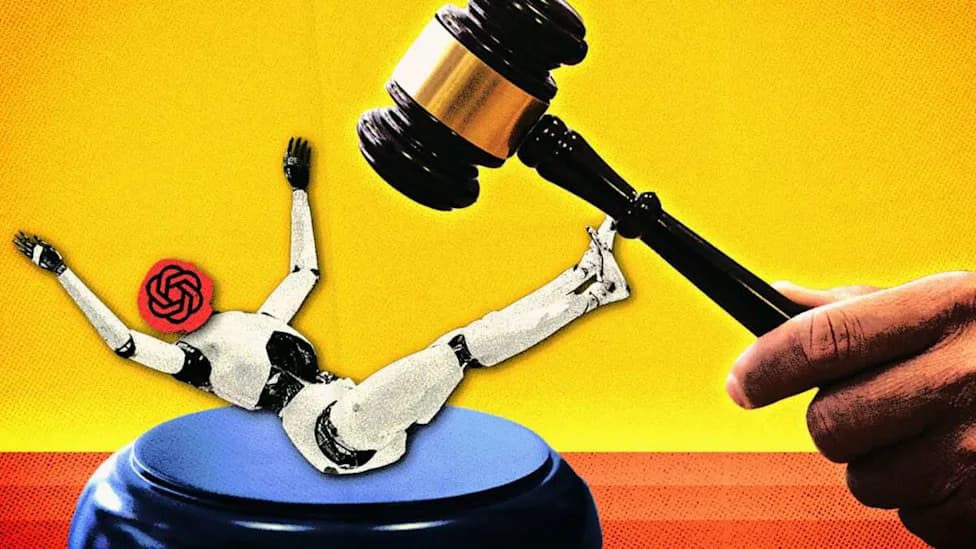
Ressa argued the first step is corporate accountability. She welcomed U.S. litigation that led Meta Platforms to agree to pay up to $18 billion over the next decade and to impose stricter limits on how teenagers use Facebook and Instagram, saying companies must be held responsible for the damage their platforms cause.
She also criticized the argument that regulating AI would cede advantage to rival countries as "good spin," noting that some jurisdictions, including China, enforce safeguards such as age restrictions on domestic versions of apps like TikTok.
On remedies, Ressa supports age limits but warns they don't address the fundamental flaw: platforms are engineered to be addictive for adults as well as teenagers. "We know this is harmful, so you should remove the addictive features, not just for teenagers, but for all of us," she said.
Rebuilding Public Digital Spaces
To counteract Big Tech control, Ressa urged developing public-interest communication platforms. She highlighted Rappler's Rappler Communities app, launched in 2023 on Matrix, an open-source, decentralized protocol. The app allows the newsroom and readers to connect directly and fosters moderated, civil discussions among users.
"It’s a place where people can be safe in the digital sphere, where they can talk to each other and, more importantly, listen to each other so that the great work of democracy happens," Ressa said.
Reporting by Gwladys Fouche in Oslo; editing by Louise Heavens.
Help us improve.