The California condor population has rebounded to more than 400 birds, yet lead poisoning remains a major threat. A 1996–2023 study in Nature Communications links ongoing lead exposure to scavenging carcasses shot with lead ammunition and finds increased wild pig hunting strongly predicts higher lead levels in the central flock. Outreach and lead-free ammunition distribution reduced exposure, but wider compliance, better data, and targeted education are needed as condors range more widely.
Despite Progress, Lead Ammunition Still Threatens California Condors
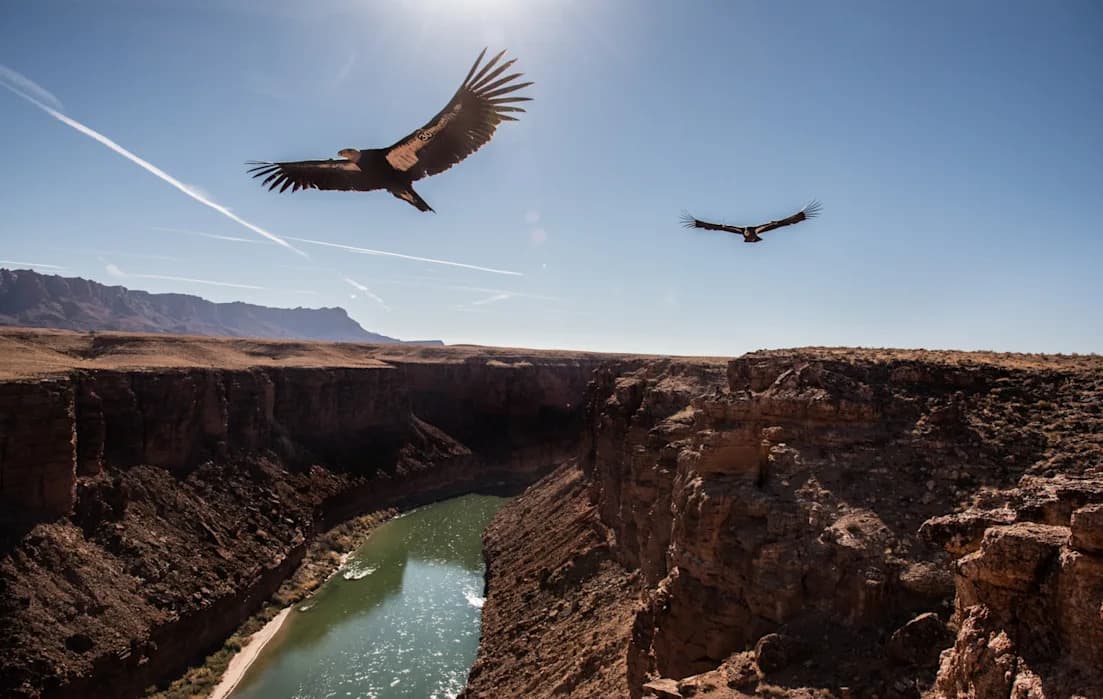
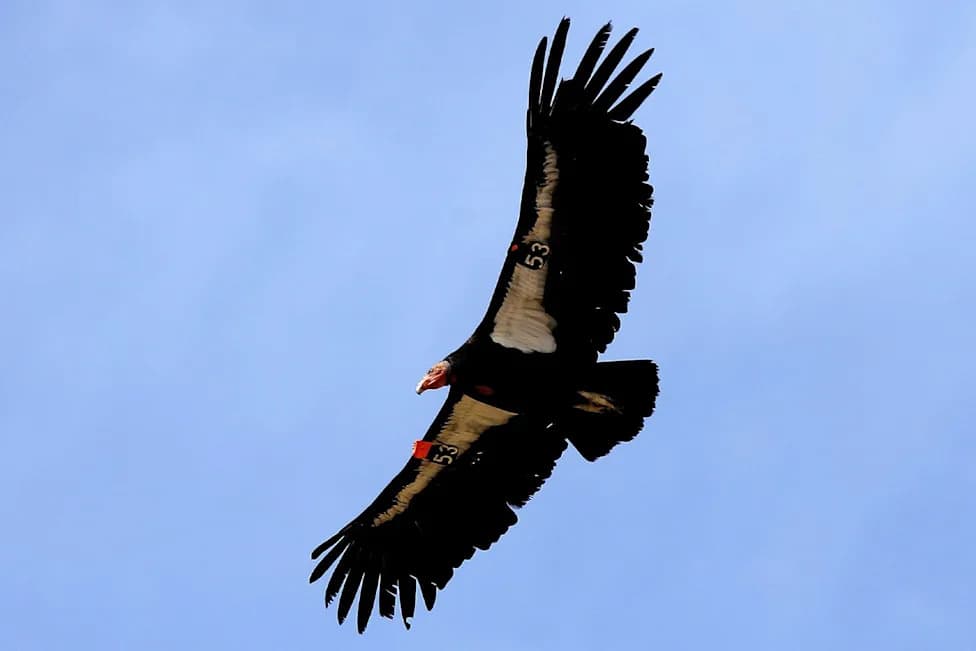
California condors are threatened by an unlikely enemy: lead poisoning. While the birds don't ingest the lead, they're likely to feed on animals who've been shot with lead bullets.Dawn Kish, National Geographic Image Collection
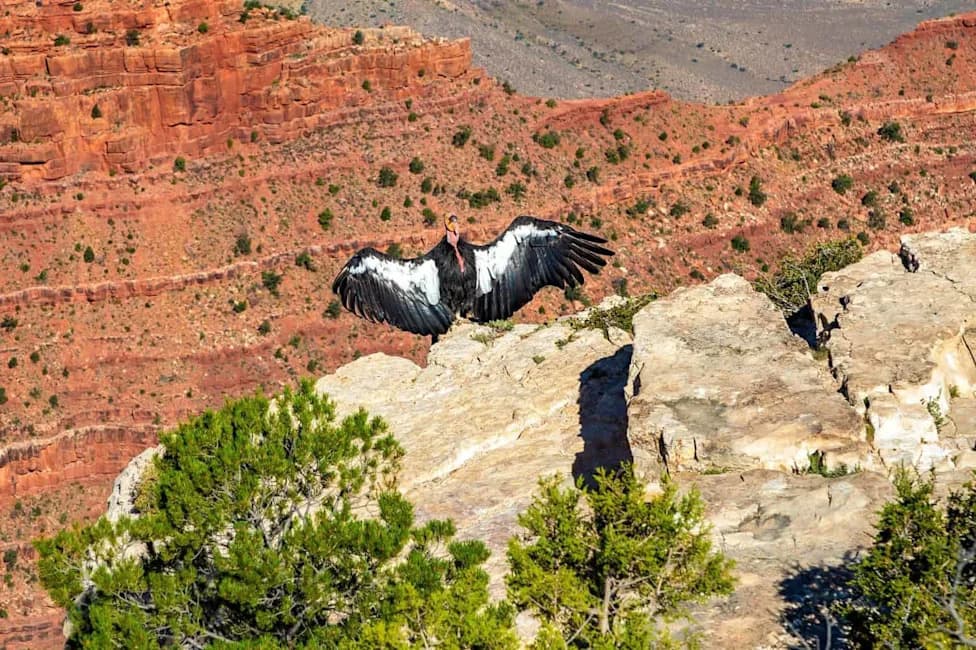
Conservation of the California condor has produced remarkable gains, but the species remains vulnerable to a single, persistent threat: lead poisoning. The wild population has risen from just 26 birds in 1987 to more than 400 today, and a wild pair recently laid the first northern California egg in a century — signs of recovery that are nonetheless fragile.
Study Finds Lead Exposure Persists After State Ban
A new study published in Nature Communications led by Victoria Bakker (Montana State University) shows that condors continue to suffer dangerous levels of lead even after California enacted a phased elimination of lead ammunition beginning in 2013 and a statewide ban in 2019. Using telemetry, necropsies, and statistical models spanning 1996–2023, researchers traced how condors encounter lead and which factors most strongly predict exposure and mortality.
How Condors Get Exposed
Condors do not eat lead directly; they scavenge carcasses and ingest fragments of lead ammunition left in animals shot by hunters. Lead is absorbed into the bloodstream and can cause disrupted feeding, anemia, and organ failure. As biologist Joe Burnett (Ventana Wildlife Society) puts it: "One little fleck of lead gets in, and this great, tough, resilient animal just crumples." The toll goes beyond individual deaths: lead mortality erodes the social bonds and stability that help flocks survive in the wild.
Why the Ban Hasn’t Eliminated the Problem
The study examined two flocks — one in central and one in southern California. Nearly every wild condor carries a radio transmitter, which allowed researchers to reconstruct movements and feeding stops. Over the study period the birds behaved more like truly wild animals: flying farther from release sites and visiting human-supplied feeding stations less often. That is a conservation success, but it also increases the chance that condors will encounter contaminated carcasses.
Surprisingly, sampled condors with measurable lead exposure rose from about 28% before the 2019 ban to 42% afterward in the study sample, and lead-related deaths continued. For the southern flock, that increase was largely explained by wilder foraging behavior. For the central flock, behavior alone did not account for ongoing deaths — researchers were missing a key predictor.
Wild Pigs And Hunting Practices Emerged As A Major Factor
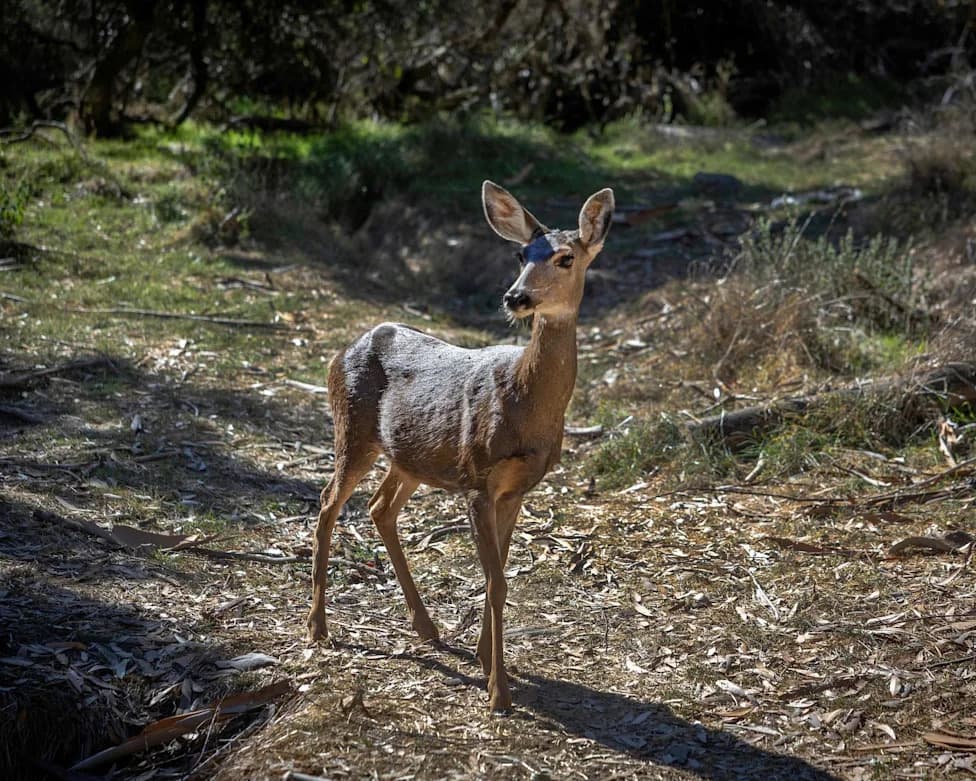
Invasive wild pig populations and pig hunting have increased in parts of California, especially within the central flock’s range. Because pigs are often treated as a nuisance species rather than big game, hunters and land managers may not realize lead shot is banned or may not prioritize switching to nonlead alternatives. When Bakker added annual counts of claimed pig-hunting tags to the model, pig hunting strongly predicted higher lead exposure and mortality in the central flock.
That correlation suggests continued use of lead ammunition in pig control is a major exposure pathway. The authors recommend further investigation using better pig-population data and environmental DNA (eDNA) to confirm diet links and refine exposure sources.
Outreach, Policy And Practical Steps That Work
The study also found cause for optimism: outreach campaigns and programs that distribute lead-free ammunition correlated with lower condor lead levels and fewer deaths. Statistical analysis suggests California’s 2019 ban prevented additional lead-related deaths compared with a counterfactual without the ban. In short, the law helps — but only when people comply and when outreach reaches hunters, ranchers, and land managers.
“The birds are wilding at a faster rate than we can do the outreach,” said Burnett. “Clearly, we have to increase our outreach, because the birds aren’t stopping.”
What Needs To Happen Next
To reduce lead poisoning as condors expand their ranges, the paper recommends stepped-up education targeted at hunters and those controlling pest species, broader distribution of affordable nonlead ammunition, better tracking of pig hunting and population trends, and additional dietary studies (including eDNA) to pinpoint exposure pathways.
Meanwhile, individual stories underline the stakes. Condor #168, known as Beak Boy, is a 29-year-old bird who has lost two mates to lead poisoning; he is now raising a chick alone. Scientists hope the next generation will mature in a landscape with much less lead.
Bottom line: California’s lead-ammunition ban is an important step, but complete recovery for condors depends on compliance, targeted outreach (including to those who control pest species), and better data on hunting and scavenging pathways.
Help us improve.