Scientists say a strong "super" El Niño that began this winter is pushing warm-water sharks north from Mexico, likely increasing great white activity off Southern California this summer. The influx — expected to peak from July through September — included unusually early juvenile sightings in February. Experts note juvenile white sharks avoid water above 82°F and may move up the coast to nearshore nursery beaches; however, more shark presence does not necessarily mean a rise in attacks.
Super El Niño May Drive Great White Sharks Into Southern California Beaches This Summer
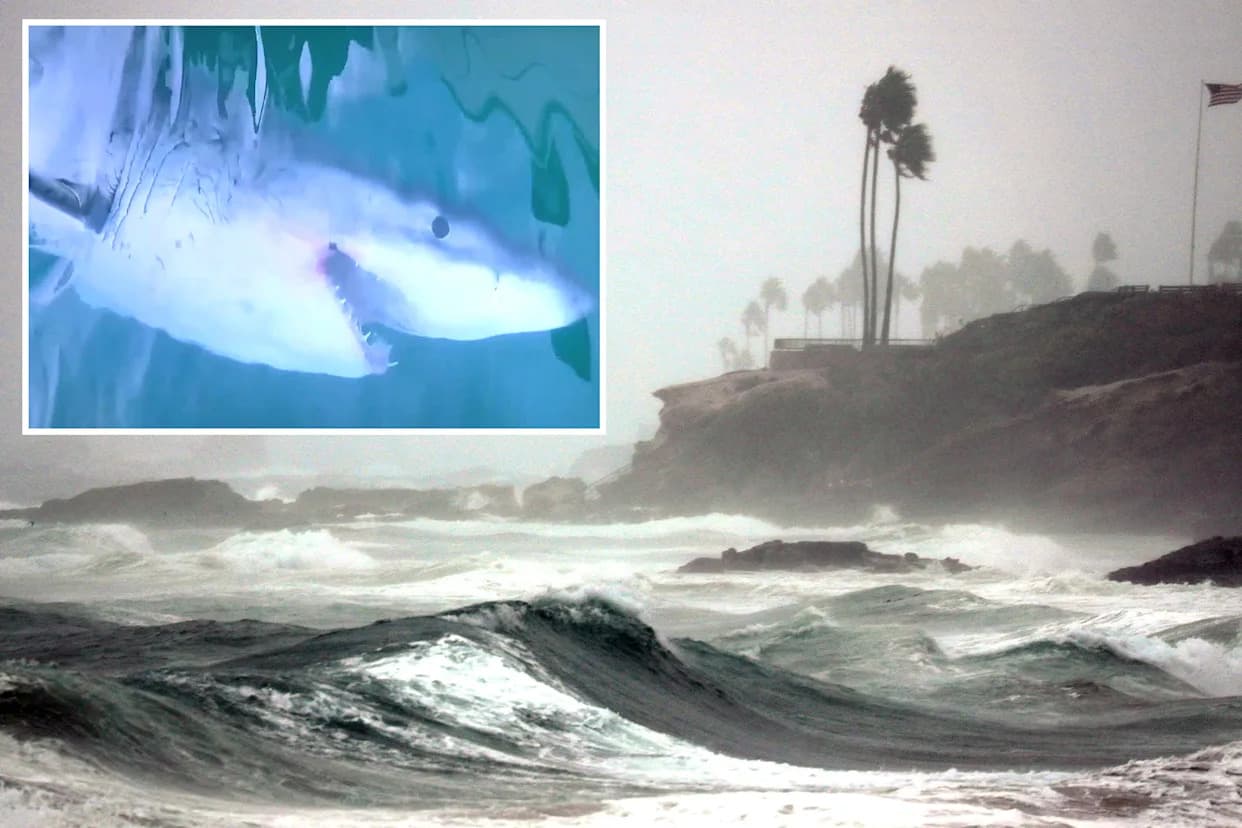
Scientists warn that a "super" El Niño that began this past winter is likely to push warm-water sharks north from Mexico, increasing great white activity off Southern California this summer and prompting officials to urge beachgoers to take sensible precautions.

A warmer “super” El Niño winter equals an explosion in great White shark numbers for beachgoers this summer. ZUMAPRESS.com
Why Sharks Are Moving North
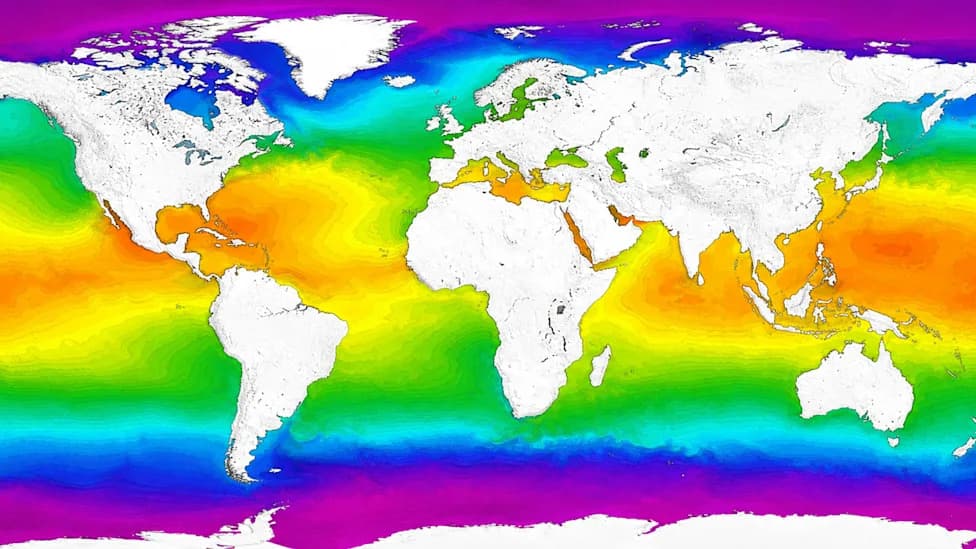
Researchers say unusually warm ocean temperatures are forcing juvenile and adult sharks to seek cooler waters farther up the Pacific Coast. Observers reported juvenile white sharks as early as February — several weeks earlier than the typical mid-April sightings — a signal that migration patterns are already shifting.
Scientists warn that the warm upcoming winter means sharks will be traveling from Mexico up the Pacific Ocean coast.
What To Expect This Summer
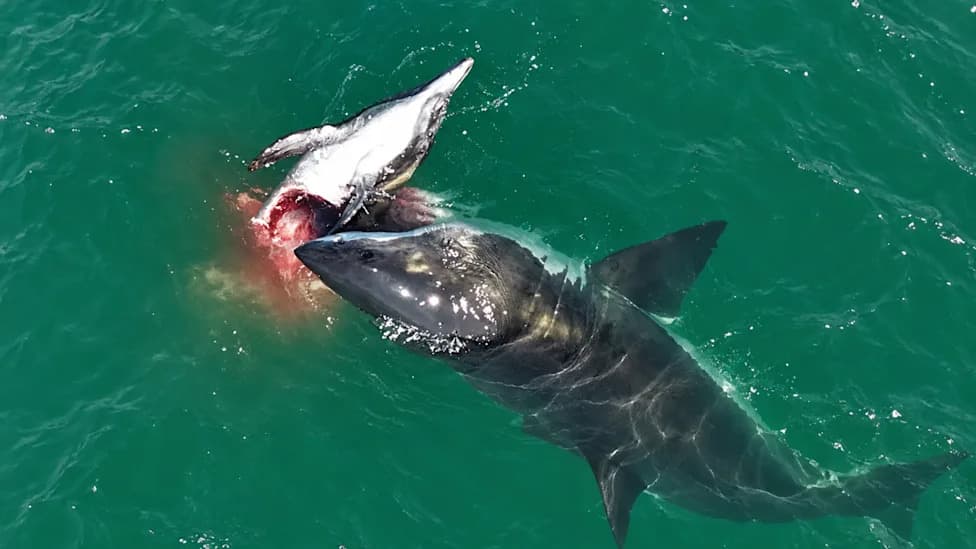
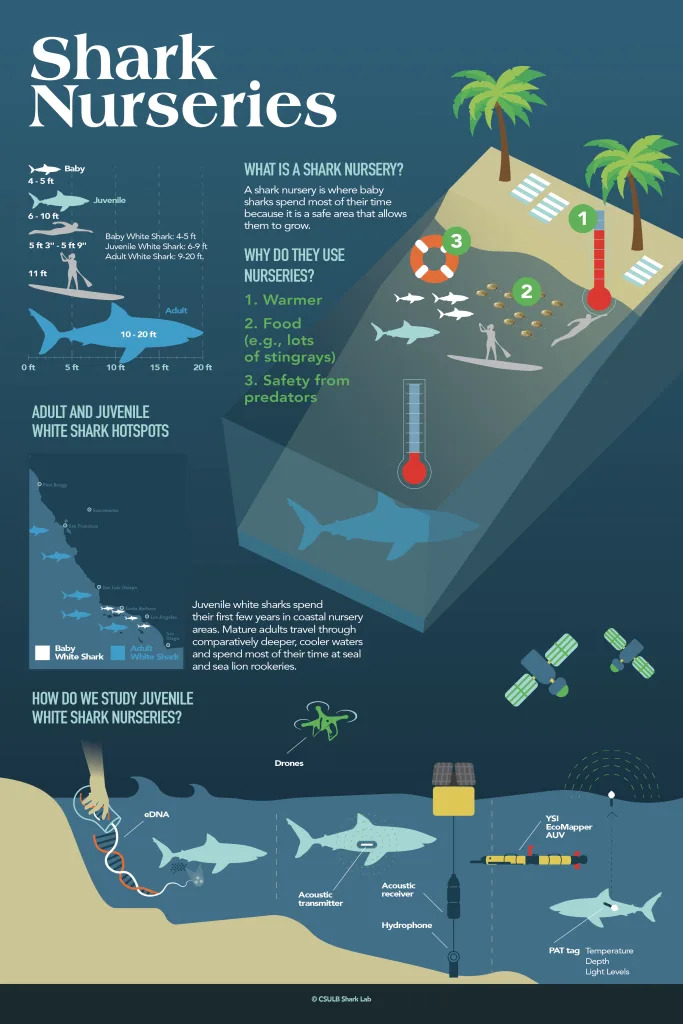
Experts predict the surge in shark presence will peak between July and September. Juvenile great whites, which range roughly from 4 1/2 to 9 feet in length, tend to avoid water temperatures above 82°F (about 28°C). That temperature threshold is expected to drive many young sharks north into Southern California nearshore areas.
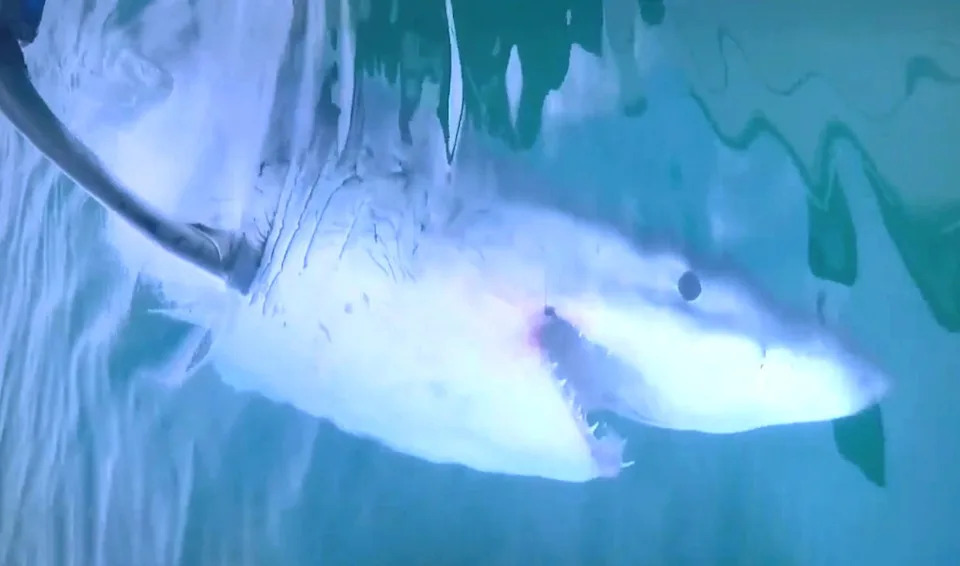
Lowe said they are anticipating that is going to happen again this year. kcra.com
"We have been monitoring the great white sharks in Southern California since 2009, and since then we have tagged and trapped 350," said Chris Lowe of Cal State Long Beach’s Shark Lab, noting that long-term tagging data clearly link temperature changes with migration patterns.
Adult great whites also vary by sex: males can reach about 11 feet, while females may grow to 12–15 feet. Many Southern California beaches serve as nursery habitats for juvenile white sharks — the same stretches of sand that will draw larger crowds during a hotter-than-normal summer.
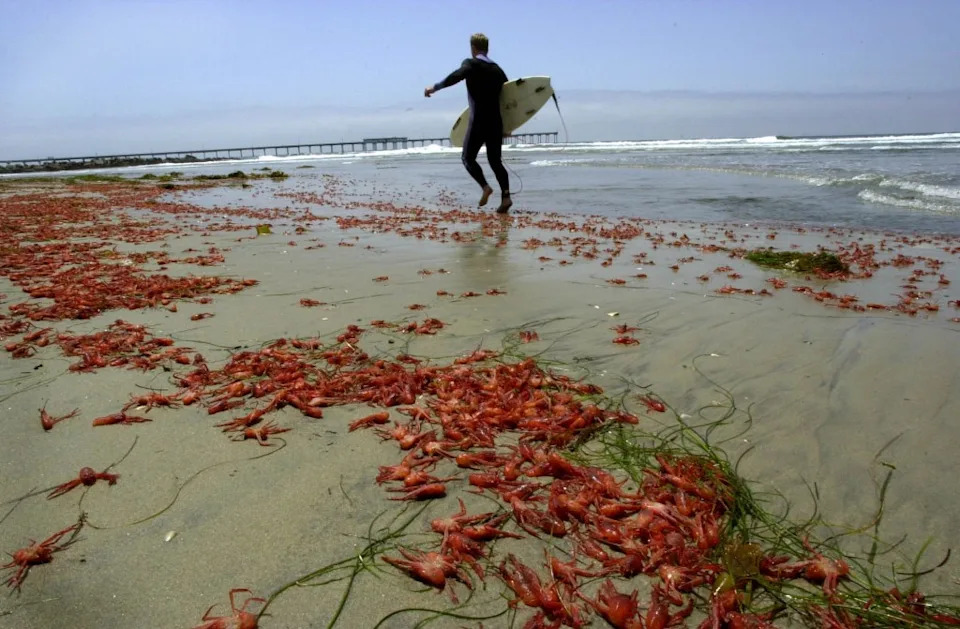
Dead crabs on Ocean Beach, San Diego are potentially a harbinger of an El Niño to come. AP
Other Species And Risk Context
Warmer waters may also draw other species such as hammerheads and tiger sharks northward as they follow prey. While increased shark activity means beachgoers should be vigilant, scientists emphasize that more sharks off the coast does not automatically translate into more attacks. However, when ocean temperatures were similar in 2015, Southern California experienced two hammerhead bite incidents that year.
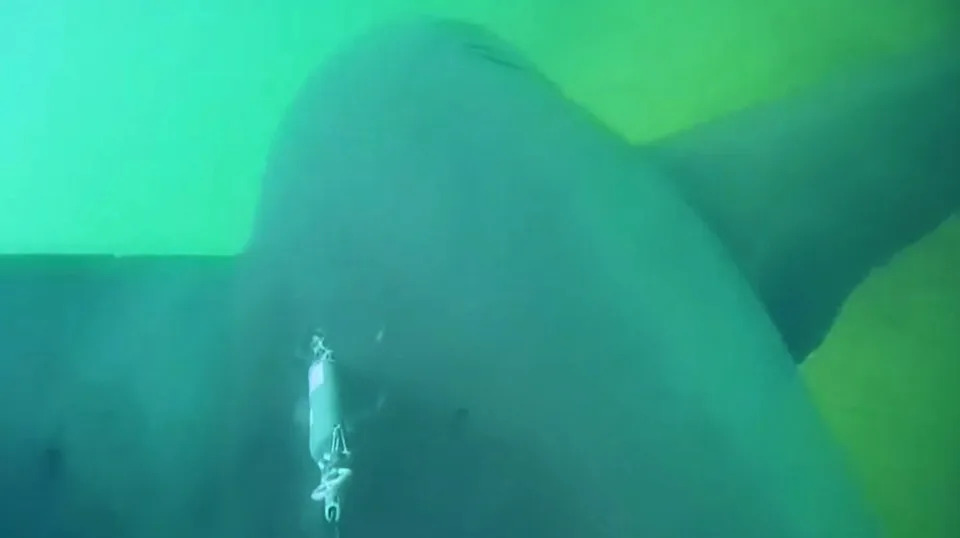
For those planning to vacation at the beaches in SoCal, officials estimate that means an increase in shark activity. kcra.com
Local officials advise people to follow lifeguard instructions and posted beach warnings, check local conditions before entering the water, and avoid swimming at dawn or dusk when sharks are often more active. The California Post contacted the California Department of Fish and Wildlife for additional comment.
Help us improve.