The Nature Conservancy warns the Southern High Plains — one of North America's last largely intact grasslands — is "at a turning point" as rising heat, energy development and land fragmentation increase. Photographer Morgan Heim's images have renewed attention to the region's landscapes and wildlife. Experts say intact grasslands support biodiversity, agriculture, soil health and climate resilience, while fragmentation threatens water systems, ranching communities and the feasibility of restoration. Local support, effective management and protecting large connected areas are essential to preserve these benefits.
Southern High Plains at a Turning Point: Heat and Development Threaten One of North America's Last Intact Grasslands
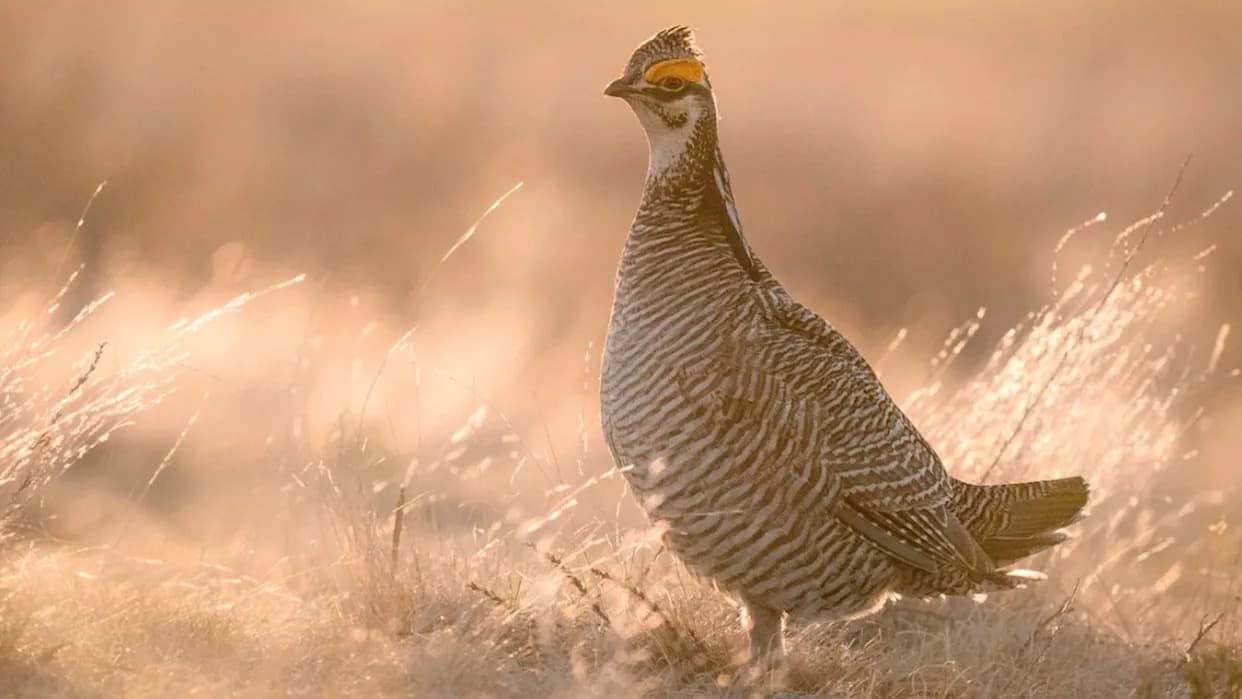
Photo Credit: Instagram
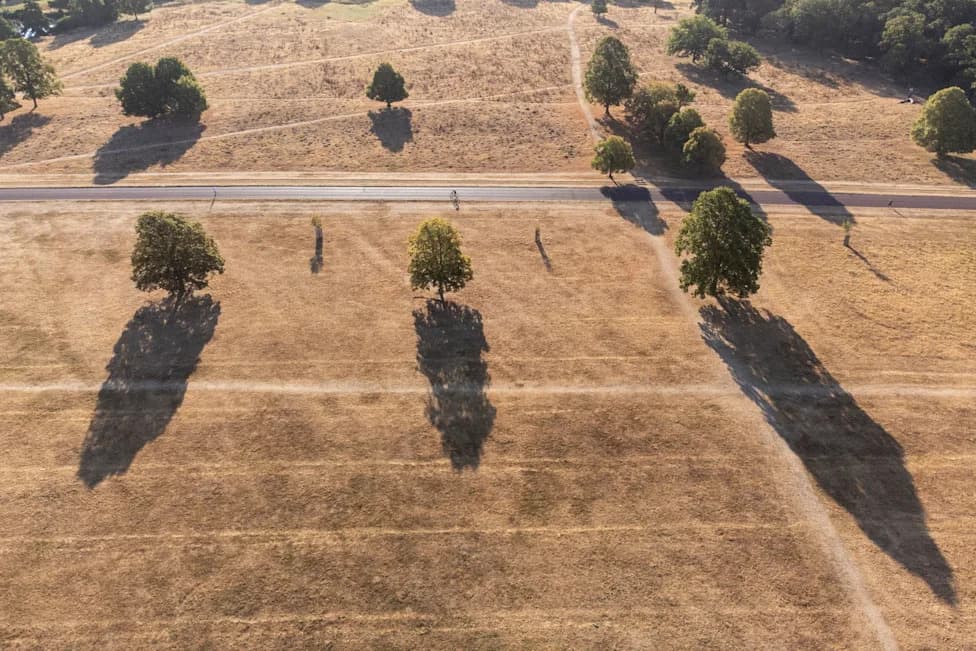
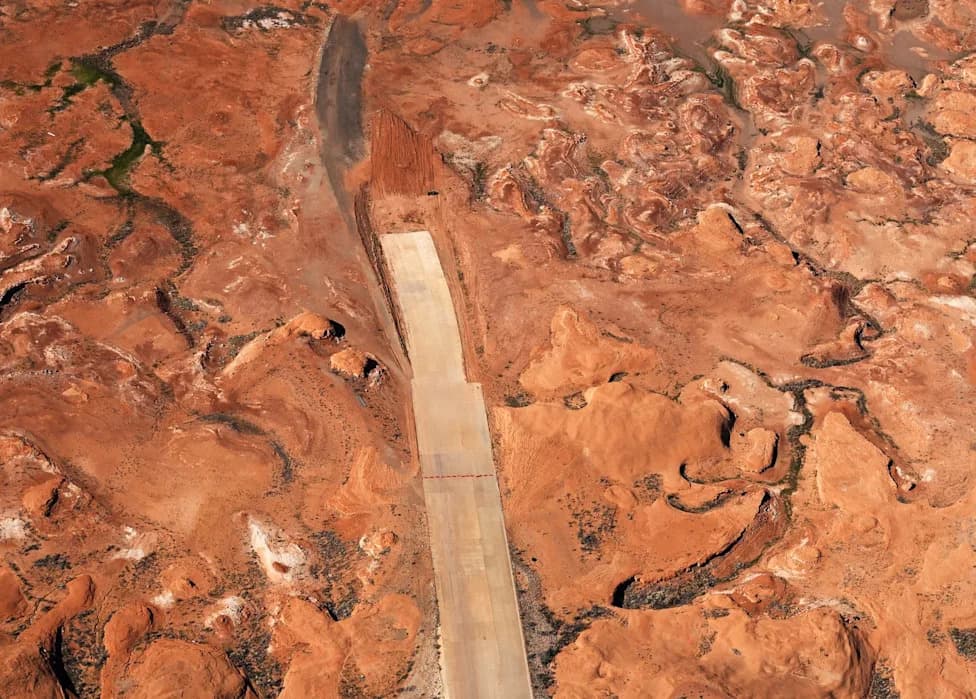
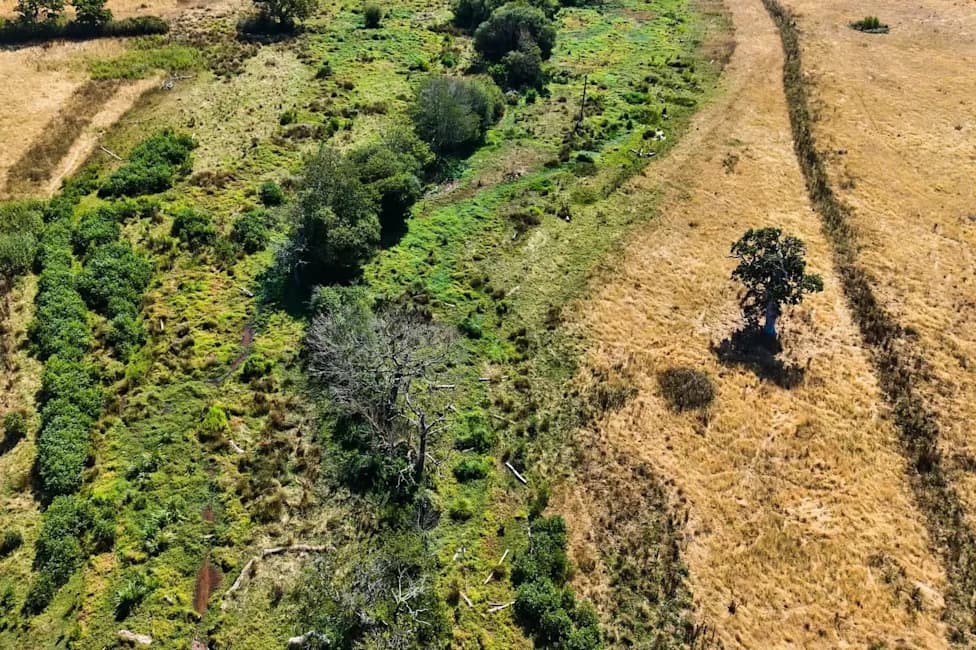
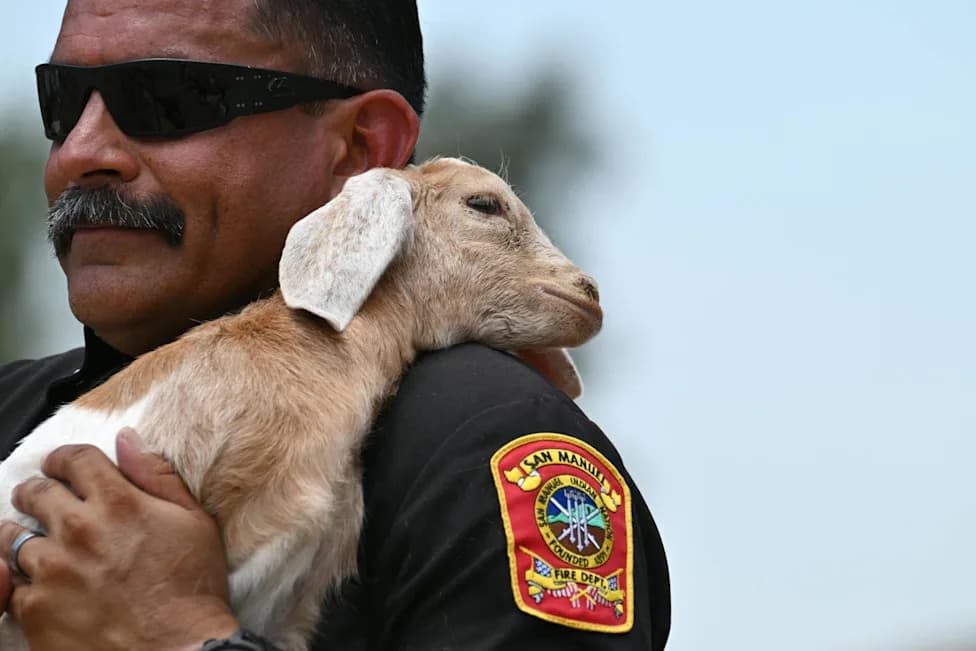
The Southern High Plains — one of North America's last largely intact grasslands — is at a crossroads as rising temperatures and expanding development reshape its future. A striking Instagram carousel shared by The Nature Conservancy and photographed by Morgan Heim has drawn fresh attention to this often-overlooked region, showcasing sweeping grasslands, exposed geology, rivers and abundant wildlife.
Why This Landscape Matters
Grasslands sustain biodiversity, support regional agricultural economies, promote soil health and help buffer communities against extreme heat and drought. When large, connected tracts remain intact they retain moisture, moderate temperatures and support species movement and genetic exchange. Conversely, fragmentation from energy projects, subdivision and other land conversions weakens these functions and makes restoration more difficult and costly.
The Nature Conservancy says the region is "at a turning point." From hotter, drier weather to energy development and parcel-by-parcel land fragmentation, the Southern High Plains faces intersecting pressures that threaten habitat connectivity and the livelihoods that depend on it.
"Conservation needs to be supported within a local community," said Matt Moorhead, who has worked across the Southern High Plains for nearly 30 years. "If we say, 'This is conservation, love it or leave it,' and it is not relevant to that community's evolving sense of self, people will find a way to undo it. You've got to have the critical mass of protected space, it's got to be effectively managed, and it has to matter."
Maintaining large, connected reserves, pairing incentives with local engagement, and effective on-the-ground management are critical to keeping restoration feasible and preserving the services grasslands provide to people and nature. Morgan Heim's images have helped spark public interest and illustrate what could be lost if action is delayed.
Looking ahead: Strategic conservation that combines local buy-in, policy incentives and landscape-scale planning offers the best chance to keep the Southern High Plains resilient amid climate change and development pressures.
Help us improve.