The EU has paid an extra €47 billion (around $54.3 billion) for fossil fuel imports since the Middle East conflict began 100 days ago. A European Commission spokeswoman said the increase reflects higher costs rather than additional volumes and stressed there have been no supply disruptions. She attributed the bloc's resilience to diversification of supplies, greater domestic production and improved energy efficiency, and said the Commission is prepared to act further if needed.
EU Energy Import Bill Rises €47 Billion After 100 Days Of Middle East Conflict
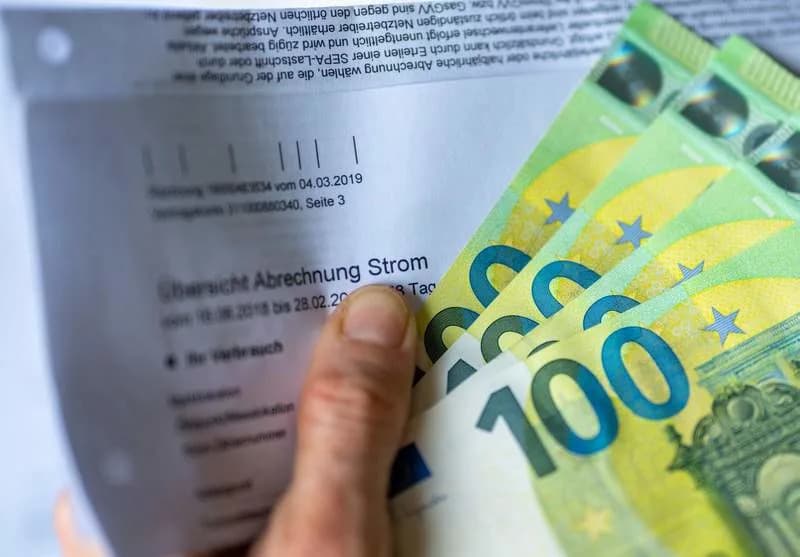
A man holds an electricity bill and banknotes in his hand. (is associated with: «EU's energy bill up by €47 billion due to Iran war») Monika Skolimowska/dpa
The European Union's import bill for fossil fuels has increased by €47 billion (about $54.3 billion) since the outbreak of the Middle East conflict 100 days ago, the European Commission said.
Commission: No Supply Disruptions, But Higher Costs
"This is the price that we pay with not a single molecule of energy in addition," a European Commission spokeswoman said on Monday, underlining that the extra costs reflect higher import bills rather than increased volumes of fuel.
"But what is important to say is that we haven't suffered any disruptions. The security of supply is ensured, and this is the most important."
The spokeswoman credited the bloc's resilience to a combination of measures: diversifying energy sources, increasing the share of domestic energy production and improving energy efficiency across member states. She added that the Commission is "ready to take some further actions if necessary."
What This Means
Although import costs have jumped, the Commission maintains that EU consumers and businesses have not faced interruptions in supply. The rise underlines how geopolitical shocks can quickly translate into higher import bills even when physical supplies remain intact.
Help us improve.