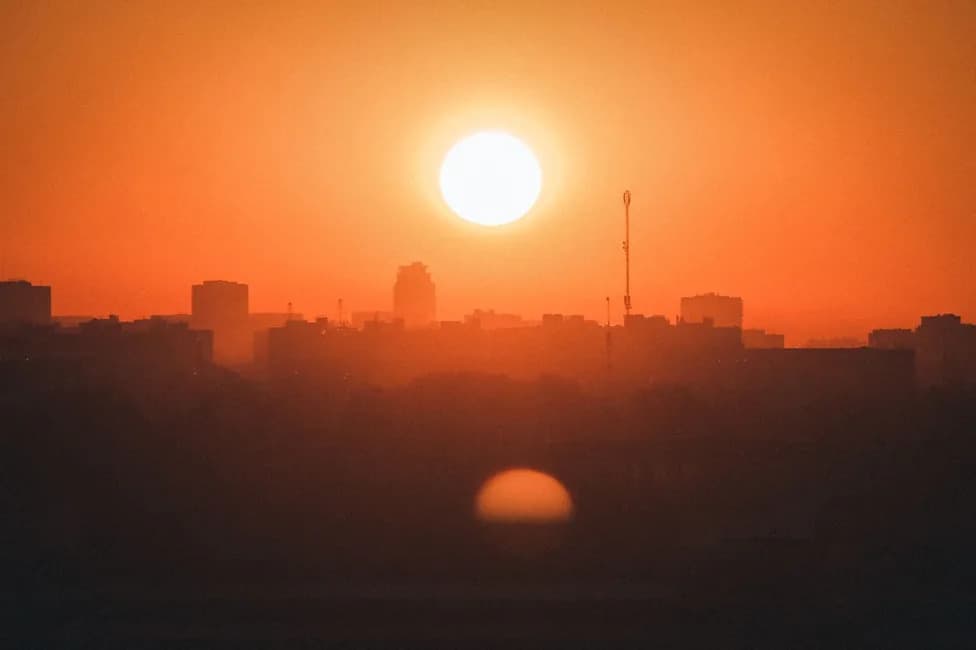
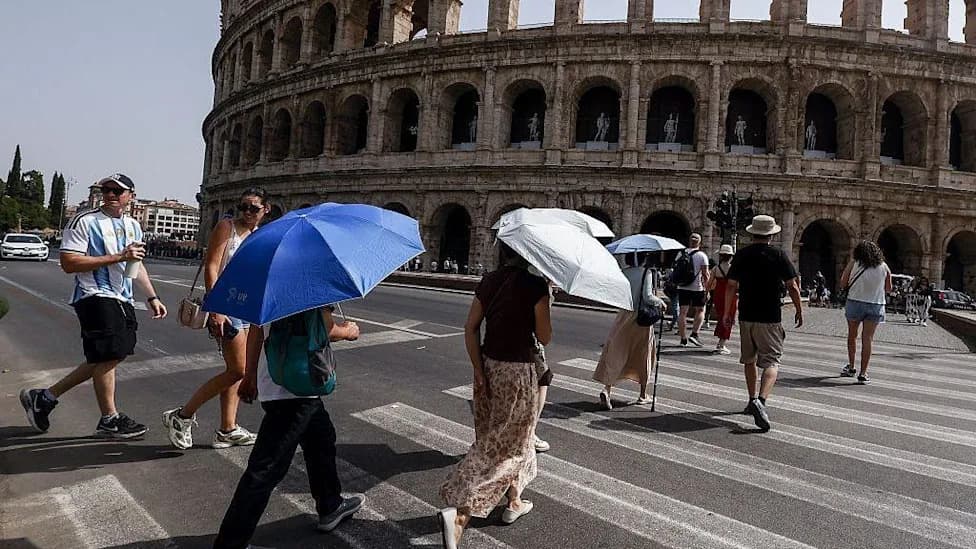
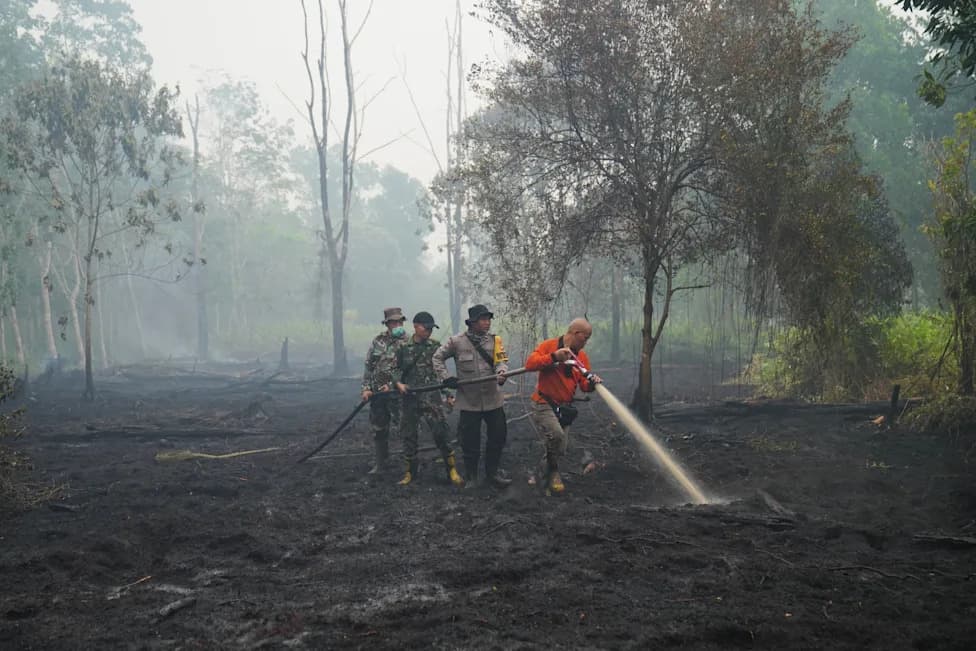
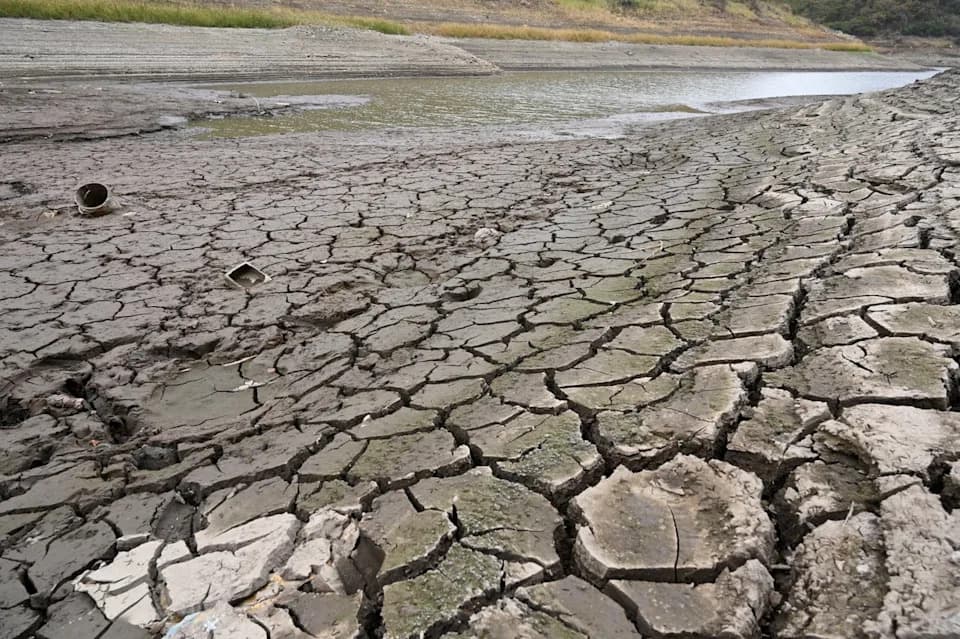
A U.K. doctor’s TikTok warning about record May temperatures has gained traction after the country reportedly broke its May heat record twice in one week. He points to forecasts of a possible 'super El Niño' later this year, where Pacific warming could exceed 2°C, and warns this could intensify global heatwaves, droughts and storms. The doctor highlights immediate risks in the U.K., including homes ill-equipped for heat and greater health dangers for vulnerable groups.
UK Doctor Warns Record May Heat Could Precede a 'Super' El Niño — What It Would Mean
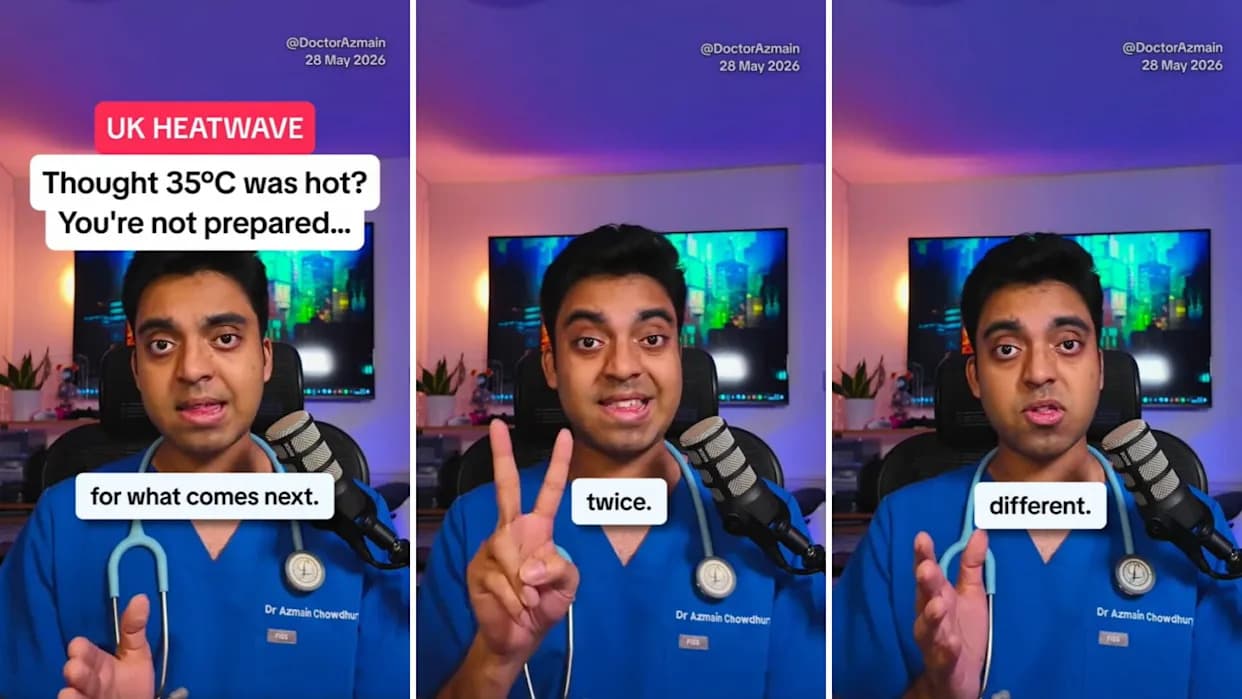
Photo Credit: TikTok
A U.K. doctor's short TikTok clip about record-breaking May temperatures is drawing attention as heat rises and concern over the climate crisis grows. Public‑health creator @doctorazmain says the country broke its May temperature record twice in one week and warns the spike could be a sign of broader changes.
He highlights forecasts that predict a possible 'super El Niño' later this year — an unusually strong Pacific warming event in which sea-surface temperatures could rise by more than 2°C — and warns that global warming is not slowing.
Why A 'Super El Niño' Matters
El Niño is a natural cycle of warming in the tropical Pacific that can alter global weather patterns. When it is especially strong, it can shift winds and rainfall across the globe, increasing the likelihood of extreme heatwaves, droughts, storms and floods.
"The future doesn't look good," the doctor says in the video.
Immediate Risks For The U.K.
Extreme heat has direct health consequences: dehydration, heat exhaustion and exacerbation of chronic conditions, particularly among older adults, children and people with long-term illnesses. The U.K. is more vulnerable to sustained heat because many homes were not designed to stay cool and air conditioning is far less common than in warmer countries.
Broader Impacts
Beyond health, climate-driven extremes can disrupt travel, strain energy systems, damage crops and push up food prices. Those cascading effects can affect daily life and place stress on local and national services.
While social media warnings raise awareness, experts stress the importance of monitoring official forecasts and strengthening preparedness — from public-health guidance to infrastructure planning — to reduce harm if extreme events intensify.
Help us improve.