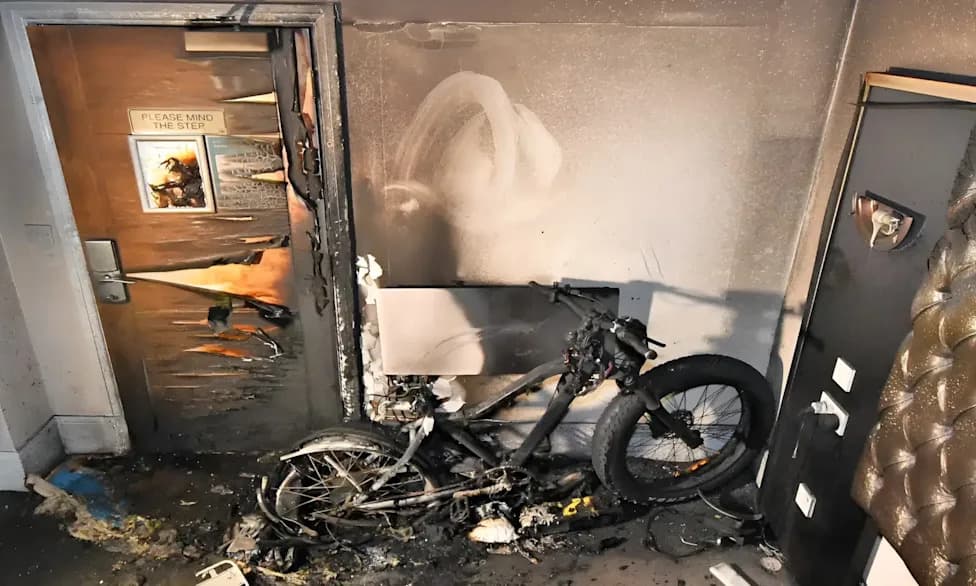
Lithium‑ion batteries improperly discarded in household trash continue to ignite municipal garbage trucks. In late May a Brooklyn truck fire injured two sanitation workers, and the NFPA reports about 800 battery fires in NYC from 2022–2025 that caused roughly 30 deaths and 400 injuries. Crushed or damaged cells can short internally and ignite rapidly; residents should use designated drop‑off sites and tape or bag terminals to lower the risk.
Lithium‑Ion Batteries Keep Igniting NYC Garbage Trucks — What Causes It And How To Stop It
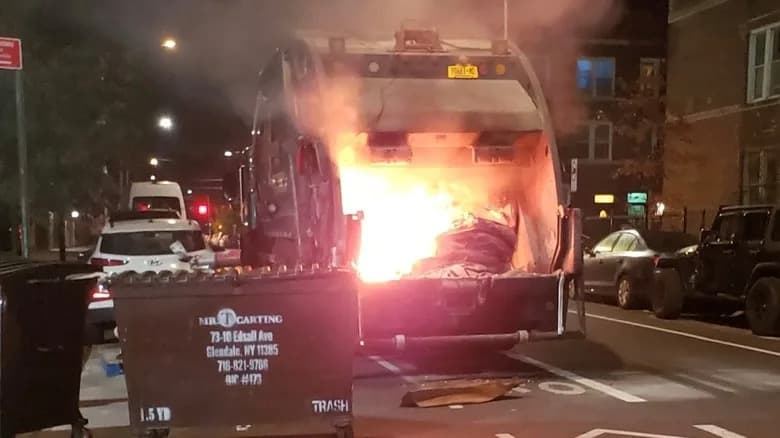
A garbage truck on fire in NYC. - Boro-Wide
Improperly discarded lithium‑ion batteries continue to spark fast, toxic fires in municipal garbage trucks across the United States — and New York City has been hit particularly hard. In late May, a Brooklyn sanitation truck caught fire, moderately injuring two workers; city officials suspect a lithium‑ion battery despite rules banning these cells from household trash and recycling.
Recent Incidents And Scope
According to the National Fire Protection Association, New York City experienced about 800 lithium‑ion battery fires from 2022–2025, resulting in roughly 30 deaths and 400 injuries. Other municipalities report similar problems: Roseville, California, recorded multiple truck fires this year attributed to batteries, and Troy, Michigan, public crews once had to dump a truck’s load after batteries inside began burning.
Why These Batteries Ignite
Physical damage to a lithium‑ion cell — from crushing, puncture, or deformation — can break the internal separator between the anode and cathode. When the electrodes short, intense heat is generated almost instantly. That heat can decompose the electrolyte, release flammable gases, and lead to rapid, violent ignition. Because of this volatility, travel regulators like the TSA limit how lithium‑ion batteries are carried in checked luggage.
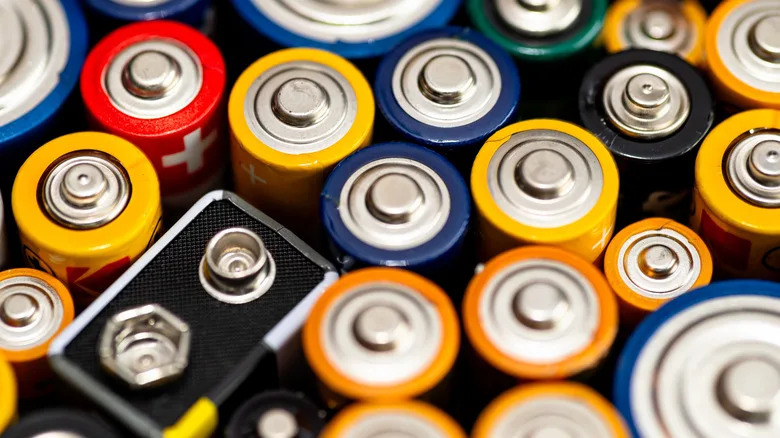
Stock image of a bunch of batteries. - Kinek00/Shutterstock
What Residents Should Do
Throwing batteries into curbside trash or recycling is dangerous and often illegal. Instead, follow these steps to reduce risk:
- Use official drop‑off locations: Many cities maintain battery collection sites. In New York City, the Battery Network locator lists thousands of municipal and retail collection points, including Staples and pharmacy locations.
- Bag and tape batteries: Put loose batteries into provided battery‑collection bags when available, or cover positive terminals with tape to prevent accidental shorting during transport.
- Accept retailer take‑back and hazardous waste programs: Many electronics retailers and municipal hazardous‑waste facilities accept used batteries and small electronics for safe disposal.
- Contact your local sanitation department: Rules and options vary by municipality — check local guidance before disposing of large batteries (like eBike or power tool packs).
These extra steps are a minor inconvenience compared with the human and financial costs of truck fires. Proper disposal protects sanitation workers, first responders, and the public.
Bottom Line
Lithium‑ion battery fires in waste collection are a preventable hazard. Use designated drop‑offs, bag or tape terminals, and follow local disposal rules to reduce the chance of a fast, toxic blaze.
Help us improve.