On August 21, 2026, American Airlines Flight 2398 declared a cabin fire that investigators traced to a passenger’s laptop; several people suffered burns. This was the airline’s second laptop-related incident in 2026, highlighting the broader problem of lithium‑ion battery thermal runaway. The growing number of battery failures has prompted stricter carry‑on rules, new crew procedures and use of containment bags — though the FAA has no formal certification for those bags. Continued incidents could raise airline operational costs and insurance premiums.
Laptop Fire on American Airlines Flight Prompts Safety Review, Possible Device Bans and Insurance Hikes
Ontherunphoto/Getty Images
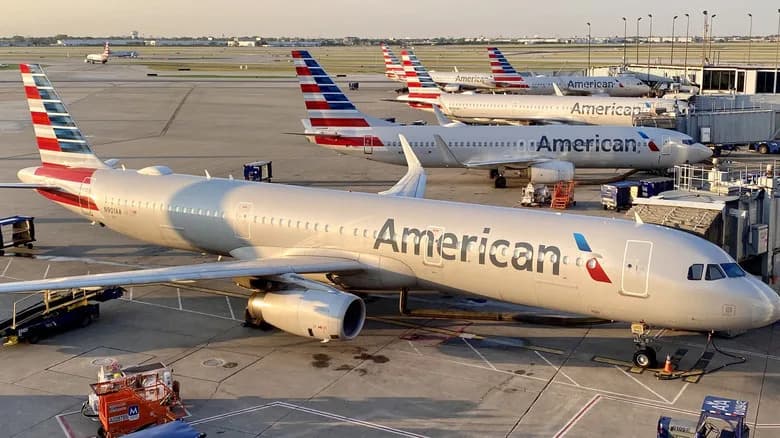
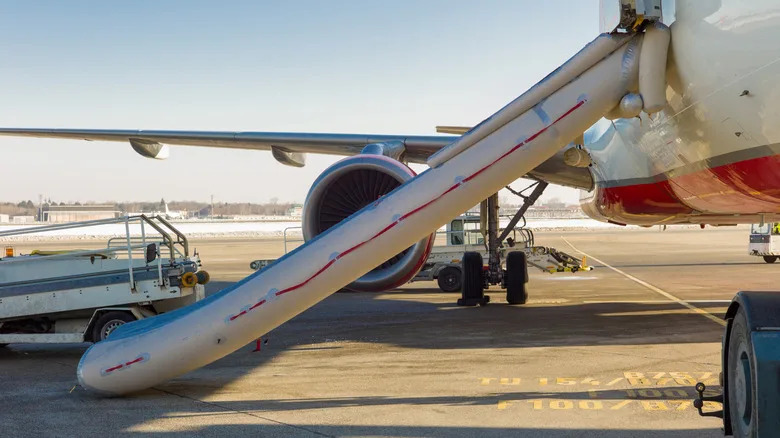
On August 21, 2026, American Airlines Flight 2398 (an Airbus A321‑200 with 133 people onboard) declared a cabin fire while on approach to Dallas/Fort Worth International Airport. After a priority landing, responders determined the blaze originated in a passenger’s laptop; several people received burns while handling the device. This was the carrier’s second laptop-related incident in 2026, following an earlier laptop fire on Flight 2045 that forced a full evacuation via emergency slides.
Why Lithium‑Ion Batteries Ignite
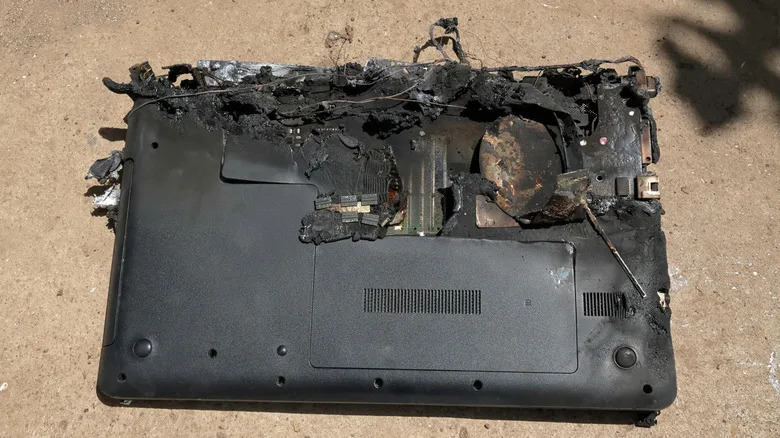
Investigators and battery experts point to lithium‑ion battery failures — specifically a phenomenon called thermal runaway — as the root cause of many device fires. Thermal runaway can be triggered by heavy use, physical damage, manufacturing defects or aging. As cells degrade, incomplete chemical reactions can produce gases, cause swelling and generate heat. If separators inside the cell fail, internal short circuits can rapidly escalate into a chain reaction of heat, fire and toxic gases such as carbon monoxide and carbon dioxide.
Paul San/Getty Images
Operational and Health Risks
In the confined cabin of an airliner, smoke and toxic gases pose immediate health risks to passengers and crew. Many recent incidents have involved passengers attempting to handle or move malfunctioning devices, sometimes suffering burns in the process. For that reason, regulators limit how spare batteries and certain devices can be carried so failures are more likely to be noticed and addressed in carry‑on baggage.
Industry Response And Gaps
Airlines and airports have updated crew training and onboard fire‑mitigation procedures, and many carriers now provide fire containment bags intended to isolate a burning device. However, the Federal Aviation Administration does not currently maintain formal testing standards or certification requirements for containment bags, and some regulators have warned that moving an actively burning device into a bag can itself be hazardous.
Mario Hagen/Shutterstock
Costs And Insurance Implications
Battery incidents carry direct operational costs. Diversions prompted by battery fires can cost airlines roughly $10,000 to $200,000, depending on aircraft size and passenger support needs at an alternate airport. Ground evacuations that deploy emergency slides may also require slide replacement or repacking, which can cost up to $200,000. Industry observers recorded 93 reported battery smoke or fire incidents in the U.S. in 2025; conservatively, these events may have cost carriers up to $18 million in direct incident expenses that year.
Insurers are taking notice: carriers typically must disclose battery events to underwriters and may need to demonstrate crew training, equipment and mitigation procedures. As incidents continue, underwriters could raise premiums or tighten policy terms, putting further pressure on airline margins.
What Might Change
Possible outcomes include stricter carry‑on and spare battery rules, formal FAA standards or certification for containment solutions, expanded crew training mandates and updated aircraft fire‑safety requirements. Regulators, insurers and airlines will likely weigh operational risk, passenger safety and practicality as they consider new policies.
Bottom line: Increasingly frequent lithium‑ion battery failures on aircraft are driving safety reviews, operational changes and potential cost increases for carriers. Passengers should follow airline and TSA guidance on device and battery carriage to reduce the risk of in‑flight incidents.
Help us improve.