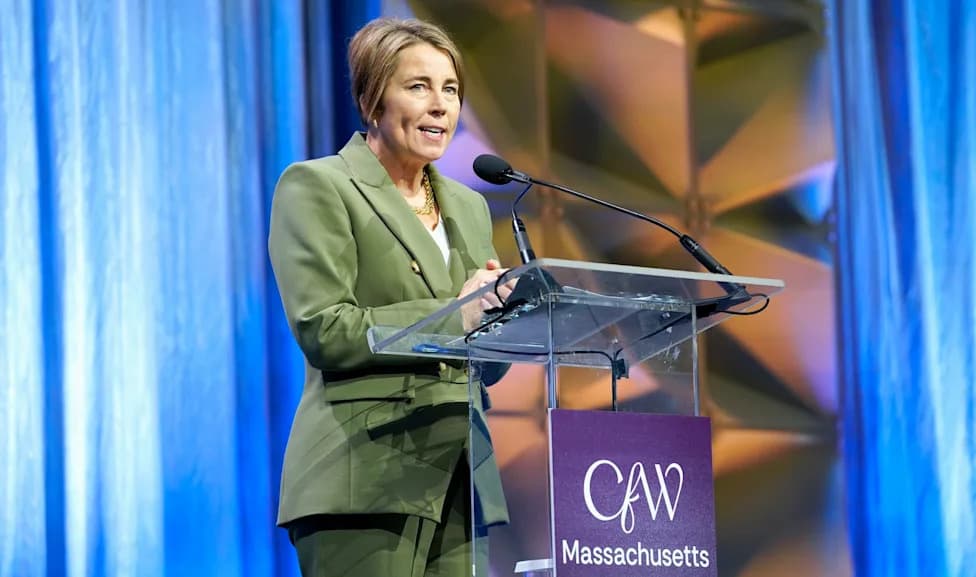
Massachusetts ranks first in the U.S. for educational attainment: 48.3% of adults 25+ hold a bachelor’s degree and 22.6% have advanced degrees, per 2024 Census data. The state’s concentration of top universities — plus roughly $22 billion in public-school spending (about $23,165 per student) — fuels talent for high-paying industries. Massachusetts also posted the nation’s highest median household income in 2024 ($104,828), though housing costs remain a major burden for many residents.
Inside Massachusetts: The Most Educated State — Nearly Half of Adults Hold Bachelor's Degrees
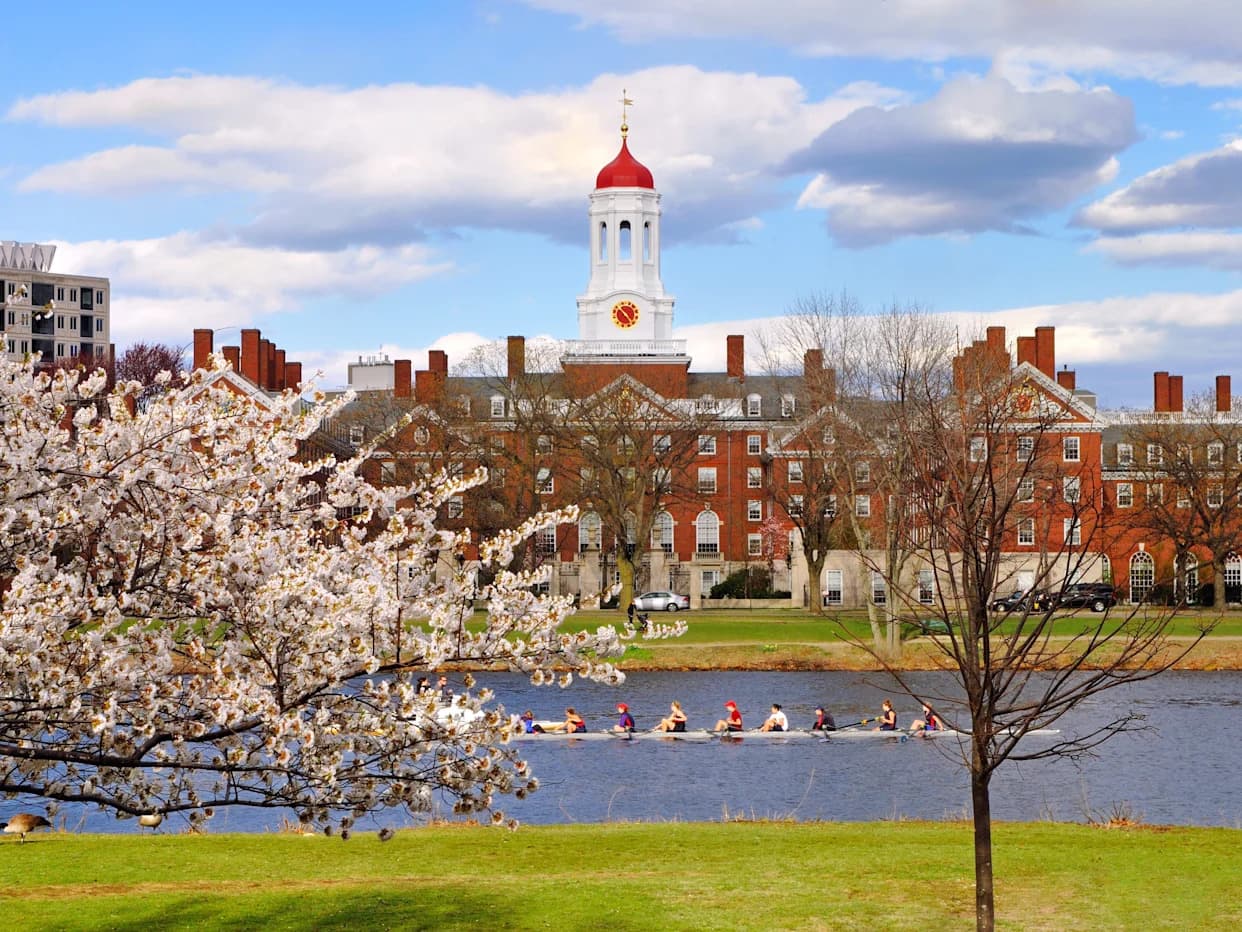
Massachusetts ranked as the most educated state in the US in a recent Business Insider list.Jorge Salcedo/Shutterstock
Massachusetts leads the nation in educational attainment and household income, driven by a dense cluster of top universities, strong public-school investment, and an economy that rewards advanced skills.
Top-Level Findings
Using 2024 Census data, Business Insider ranked states by the share of adults aged 25 and older with a bachelor’s degree or higher. Massachusetts tops that list: 48.3% of adults hold a bachelor’s degree, and 22.6% have professional or graduate degrees.
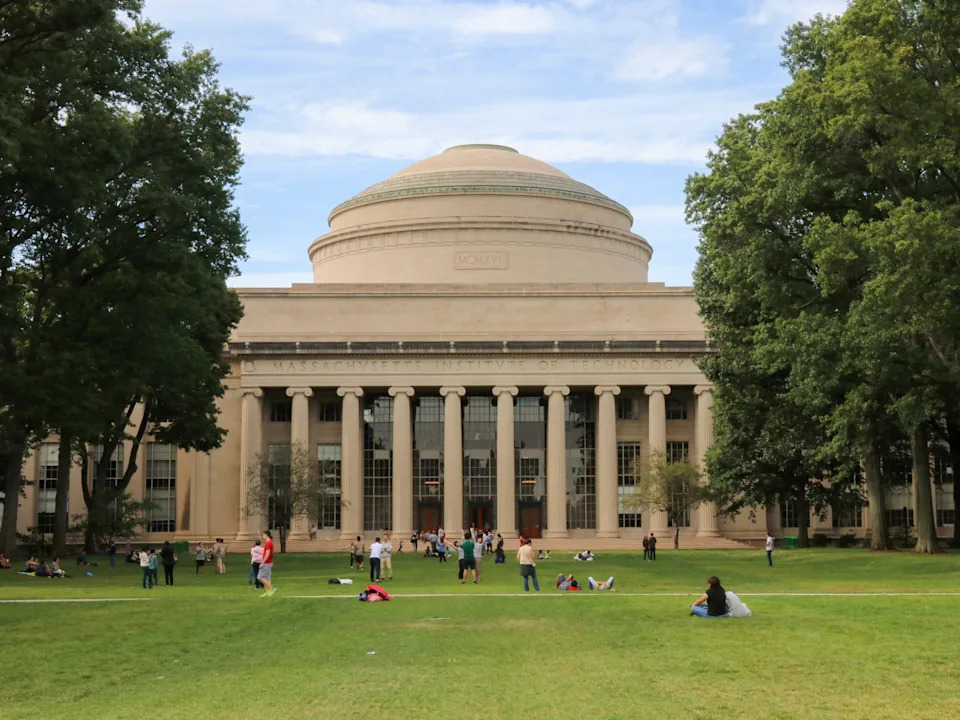
The Massachusetts Institute of Technology and Harvard University are the state's most prestigious institutions.Yousif Al Saif/Shutterstock
Why Massachusetts Ranks First
Cities such as Cambridge and Boston are long-established academic hubs, home to institutions including Harvard, MIT, Boston University, Northeastern, and Tufts. These universities attract students, faculty, researchers, entrepreneurs and employers, and help feed talent into research-heavy industries like biotech, healthcare, finance, engineering and technology.
Public Investment And K–12 Outcomes
Massachusetts invests heavily in earlier education. In 2024 the state reported roughly $22 billion in public-school spending — about $23,165 per student, per the Massachusetts Department of Elementary and Secondary Education. Strong K–12 performance is visible nationally: in 2025 the Massachusetts Academy of Math & Science ranked third among public high schools in the U.S.

Massachusetts has the third-highest housing burden as a share of median income in the US.Belia Koziak/Shutterstock
College Enrollment And The Local Pipeline
That K–12 pipeline flows into Massachusetts colleges and universities. In the 2024–2025 school year, about 65% of the state's high-school graduates who enrolled in college chose in-state institutions, helping retain talent locally.
Income, Affordability, And Labor Market Effects
The state’s education ecosystem corresponds with strong earnings: in 2024 Massachusetts recorded the highest median household income among the 50 states at $104,828. Some institutions also produce very high-earning alumni — for example, MIT graduates had a median income of $162,000 four years after graduation, according to the Department of Education College Scorecard.
At the same time, Massachusetts faces affordability challenges. The state has the third-highest housing burden in the U.S.: renters spend an average of 51.5% of their income on housing, while homeowners spend about 33.7% — making it less affordable than peers with similar incomes.
Conclusion
The combination of world-class universities, sustained public-school investment, strong K–12 outcomes, and a labor market that prizes advanced credentials helps explain why Massachusetts ranks first for degree attainment and leads the nation in median household income. Those strengths, however, coexist with significant housing cost pressures that affect affordability for many residents.
Help us improve.