Boston City Council has scheduled a hearing after data showed more than 10% of Boston Public Schools students — about 5,400 children — experienced homelessness in 2024–25. A 2026 Boston College report links housing instability to worse attendance, lower test scores and weaker graduation outcomes, with homeless students performing far below peers on 10th grade assessments. The Sept. 17 hearing will gather school leaders, housing officials, nonprofits, academics and affected families to explore prevention programs such as Access To Counsel and the Early Homelessness Intervention Program.
Boston City Council Holds Hearing After Report Shows More Than 1 In 10 BPS Students Experienced Homelessness
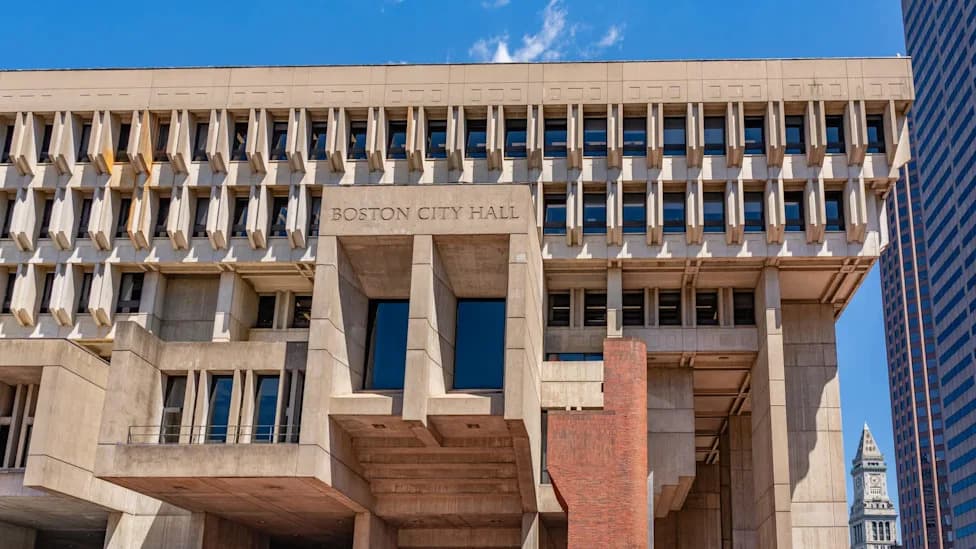
Photo Credit: iStock
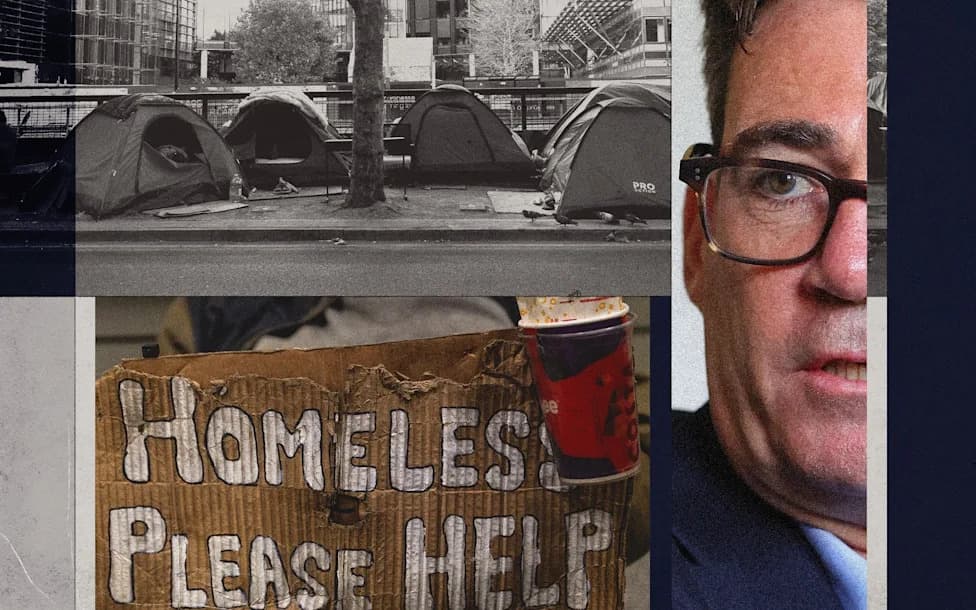
More than one in 10 students enrolled in Boston Public Schools — roughly 5,400 children during the 2024–25 school year — were identified as experiencing homelessness, prompting the Boston City Council to hold a public hearing to examine how housing instability is harming students’ education and well‑being.
The hearing, sponsored by Councilors Ben Weber, Liz Breadon and Julia Mejia, will convene housing attorneys, school leaders, nonprofit providers, academics and families with lived experience to explore prevention and intervention strategies that can keep students stably housed and in school.
Scope Of The Problem
According to data shared by Weber’s office and reporting from The Boston Herald, roughly 5,400 BPS students — more than 10% of the district’s enrollment — were identified as homeless during the 2024–25 academic year. Council members are also citing a 2026 Boston College study, "School‑Housing Partnership: Achievement And Challenges In Boston, MA," which found that housing instability has a strongly negative impact on student performance and that the share of BPS students experiencing homelessness has been rising.
Academic Impact
The Boston College analysis and district assessments show stark gaps: on 10th grade tests in 2025, just 15% of homeless students met expectations in English Language Arts, 18% in mathematics and 11% in science and technology/engineering. Those outcomes place homeless students roughly 10–15 percentage points behind students from other low‑income families and 45–50 points behind students from families not classified as low income.
Housing instability is also tied to poorer attendance and lower graduation rates — factors that compound educational disadvantage and long‑term prospects.
Hearing Focus And Policy Options
Organizers plan to include panelists from Boston Public Schools, the Office of Housing Stability, nonprofit providers, higher‑education researchers and families. The stated goal is to discuss strategies to prevent homelessness among BPS students and to identify policies and programs that help keep children in school and families housed.
“Prevention strategies like Access To Counsel and the Early Homelessness Intervention Program have been shown to place and keep students in stable housing,” Weber’s office said. “This hearing will bring together housing attorneys, nonprofit providers, academics, BPS leaders, and families who have experienced homelessness to discuss strategies and policy solutions to effectively tackle and ultimately eradicate homelessness among our student population so that they can better learn and thrive.”
The hearing is scheduled for Thursday, September 17, at 2 p.m.
Broader Context
Boston officials note that preventing homelessness requires coordination across eviction prevention, legal support, emergency assistance and school resources. Other communities are testing solutions such as tiny‑home villages and rapid temporary housing; policymakers are also tracking indirect drivers of instability like rising insurance costs and extreme heat, which can increase strain on housing systems.
For many families, whether help arrives early enough to prevent displacement makes the difference between short‑term instability and prolonged homelessness — and that early intervention is the central focus of the upcoming City Council hearing.
Help us improve.