The article profiles Green councillors Tyrone Scott and Caroline Allen, who were surprised to win seats after being selected as low-profile “paper” candidates in the May 7 local elections. While many new councillors have stepped up effectively, more than 20 newly elected Reform and Green councillors have already left their seats, prompting criticism of party vetting. Experts say rapid candidate expansion is straining party capacity and electoral systems, and the Greens say they are strengthening due diligence amid rapid membership growth.
‘OK, I Need To Call Work’: How ‘Paper’ Candidates Became Unexpected Councillors — And Why Parties Are Scrambling
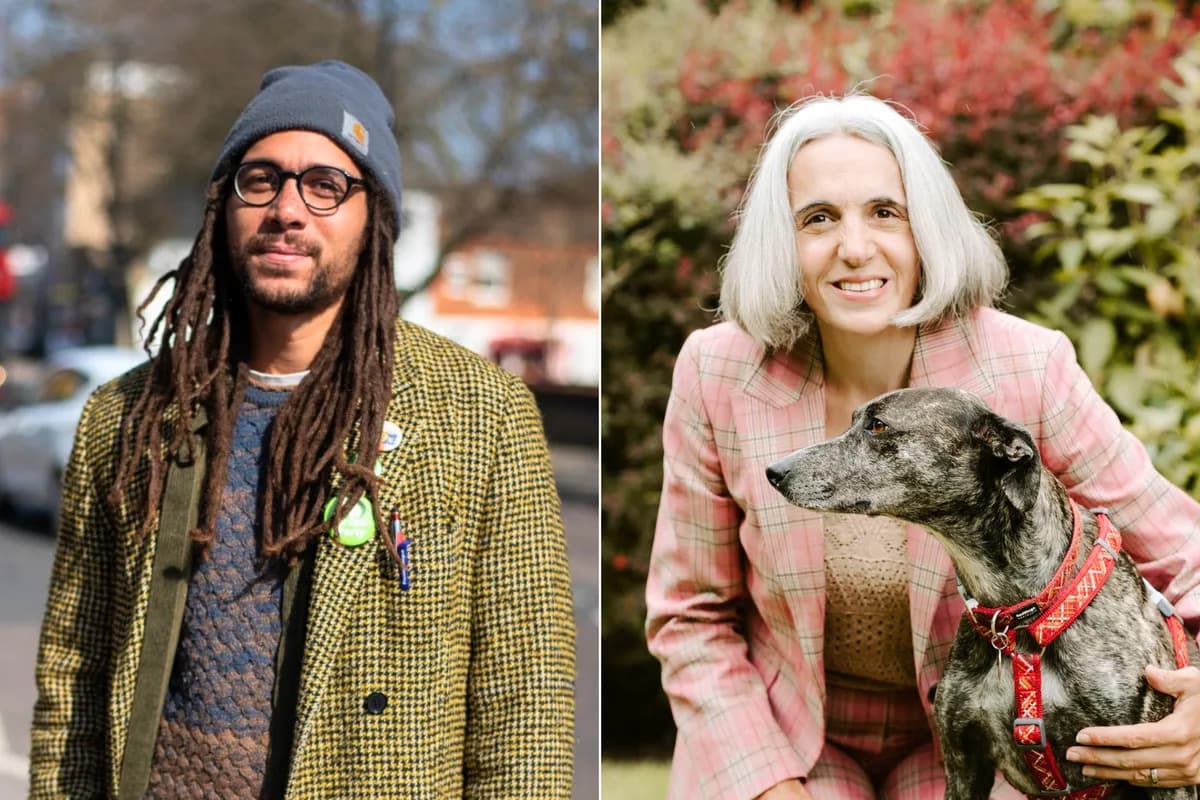
(Green Party / Tyrone Scott / Caroline Allen)
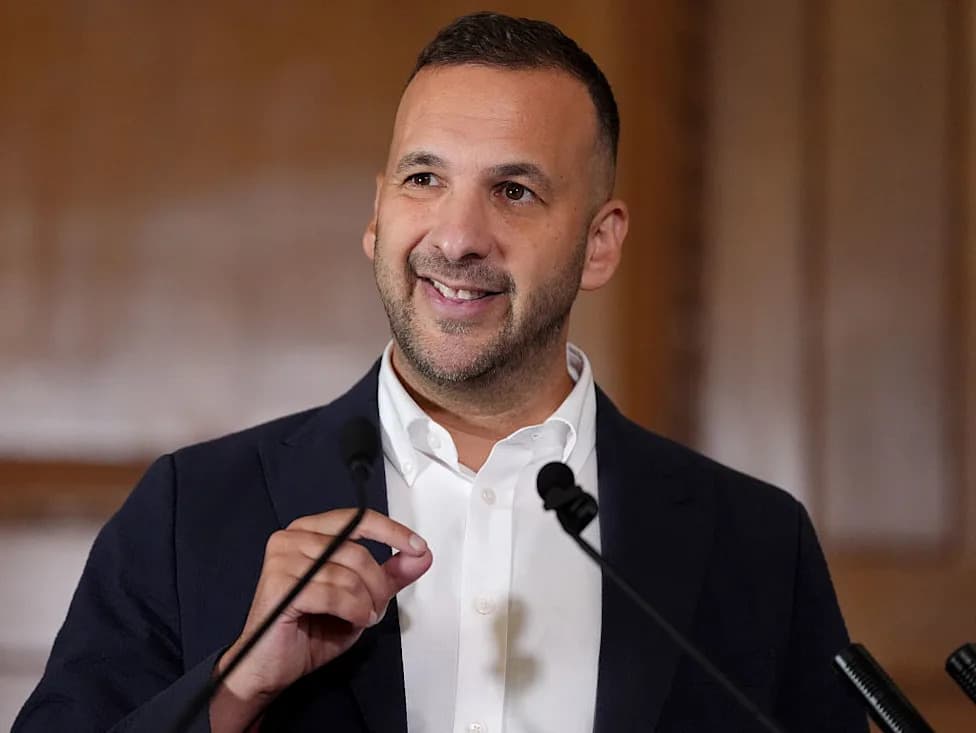
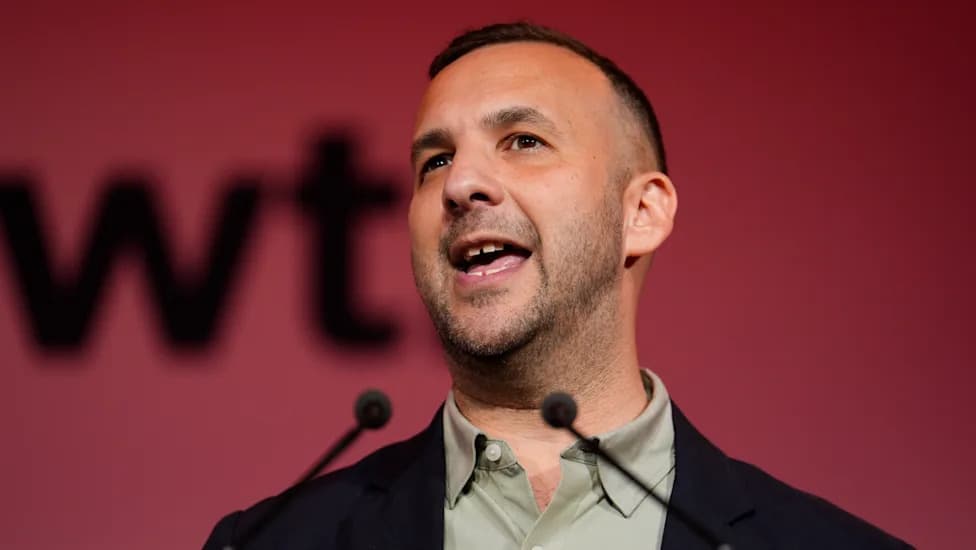
“OK, I need to have a phone call with work.” That was Tyrone Scott’s immediate reaction when he learned he had been elected as a Green councillor in Hackney. At 34, Mr Scott says he had “not expected to win at all.”
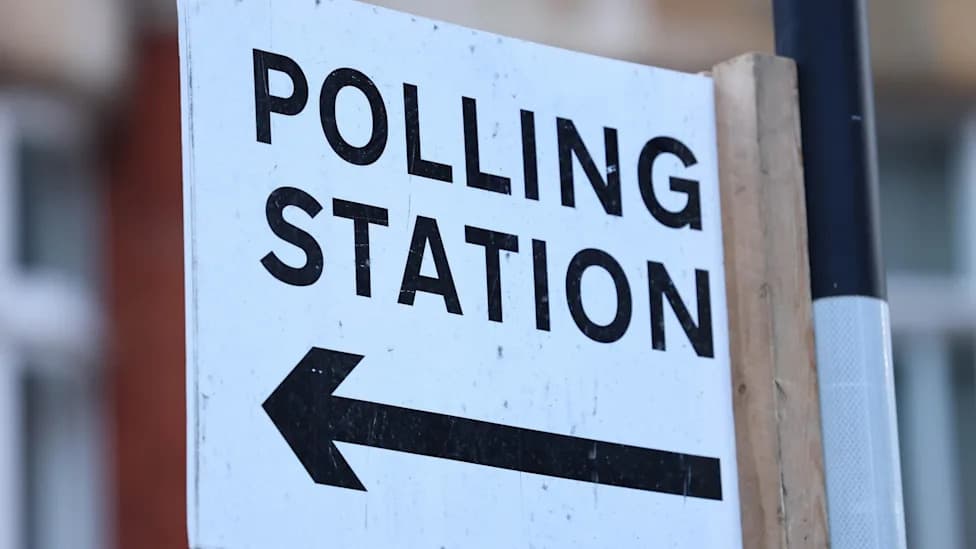
Many candidates like him were selected as so-called “paper” or “cardboard” candidates ahead of the May 7 local elections: nominees chosen with minimal ceremony and often without an expectation of victory, intended mainly to ensure the party appears on the ballot.
From Paper Candidate To Active Councillor
Mr Scott, an NGO worker and Green Party member for 12 years, describes a mix of anxiety and delight on being declared a councillor. A month in, he has embraced the role — mentoring newer members, becoming leader of the Green group in Hackney and chairing the council's housing scrutiny commission. He previously ran twice for council and stood for deputy party leader in 2022.
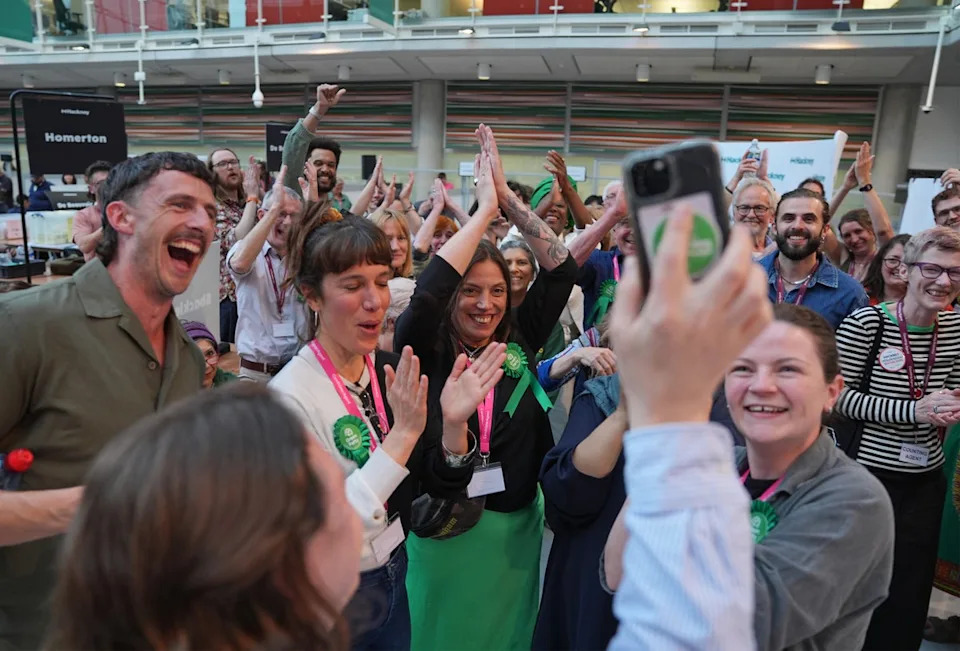
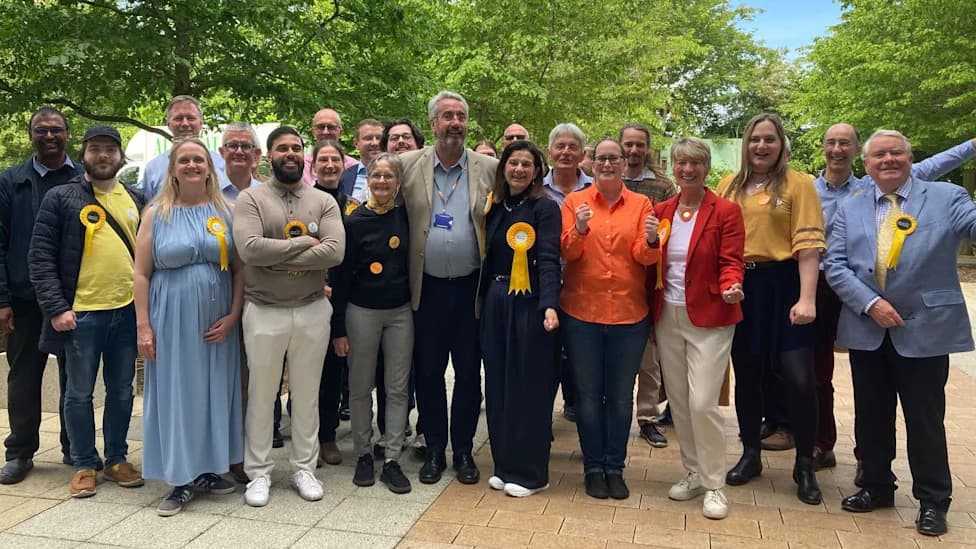
Green Party supporters celebrate the results of the Hackney council elections (PA)
Across the borough border in Islington, former RSPCA chief vet Caroline Allen experienced a similar surprise. Having only returned to politics months earlier and been told her ward was unlikely to be won, she nonetheless won in Finsbury Park and is adjusting rapidly to the responsibilities of office.
Surprises — And Early Departures
Not every paper candidate has been ready or able to take up a seat. In the weeks after the vote more than 20 newly elected Reform and Green councillors resigned or otherwise left their posts, sparking criticism that rapid expansion has outpaced adequate vetting.
The election produced stunning results for the newer parties: Reform and the Greens finished first and second by vote share in many areas, while Labour saw its support collapse across England, losing 1,498 councillors and performing poorly in Wales. Of 1,454 councillors elected from parties outside the traditional majors, Reform has lost 15 since the election and the Greens eight of their 587.

New Finsbury Park Green councillor Caroline Allen (Caroline Allen)
Scale, Capacity And Concerns
Organising candidacies across thousands of wards is a vast logistical challenge. Around 25,000 candidates contested more than 5,000 seats on May 7. Reform contested roughly 95% of wards (up sharply from the previous year), nearly matching Labour’s coverage, while the Greens also expanded their slate substantially to contest about 88% of seats.
“The recent increases in turnout at elections, as well as the increase in candidate numbers, are welcome signs of increased public participation in politics,”
— Lord Mark Pack, Lib Dem peer and political polling expert
But Pack warned that growth is not a substitute for careful vetting: “We shouldn't view the growth in candidates as an excuse for poor vetting, especially as so many of the recent stories have involved information publicly available online.”
Dr Hannah Bunting, co-director of the University of Exeter Elections Centre, added that the rapid scaling-up is exposing gaps in party structures: the electoral system and party machines were not built for this level of competition, meaning parties with fewer organisational resources can struggle to check and prepare large numbers of new candidates.
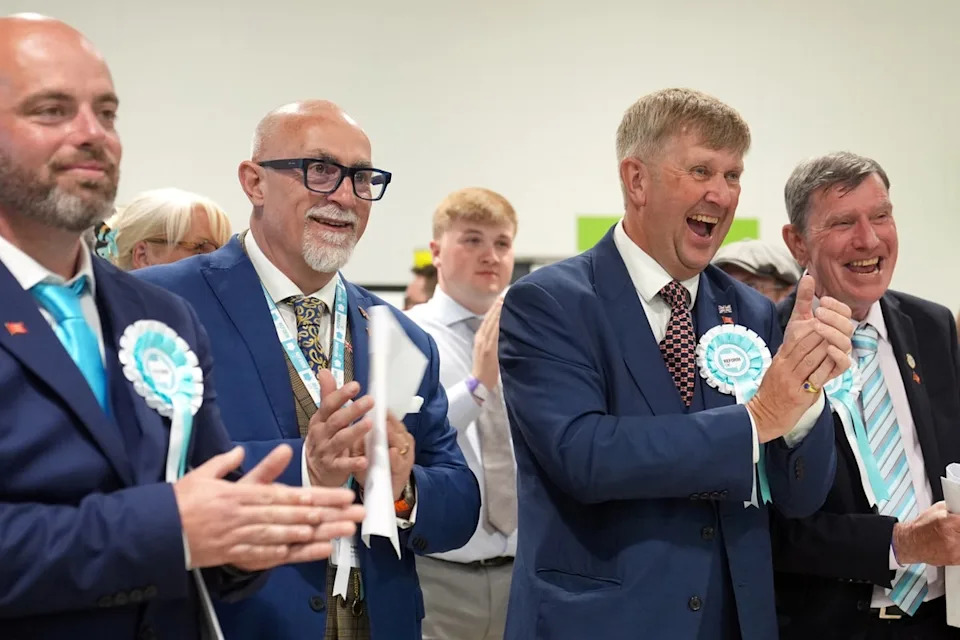
Newly-elected Reform councillors celebrate in Essex. The party won 1,454 at the recent local elections (PA)
Parties Respond
A Green Party spokesperson said: “4,509 Green Party candidates stood at the local elections. Recently the Green Party has seen rapid growth to 230,000 members - in light of this, we are investing further in our due diligence processes.” Reform UK was approached for comment.
Reflecting on early departures, Mr Scott acknowledged the learning curve that comes with rapid growth: “To have this level of growth is something new to us, and with that comes challenges and learning experiences. But the vast majority of our paper or cardboard candidates were people who were ready to do the work.”
As smaller parties increase their presence, the question for UK local politics is whether parties can pair wider representation with robust vetting and training so that unexpected victories do not result in avoidable upheaval.
Help us improve.