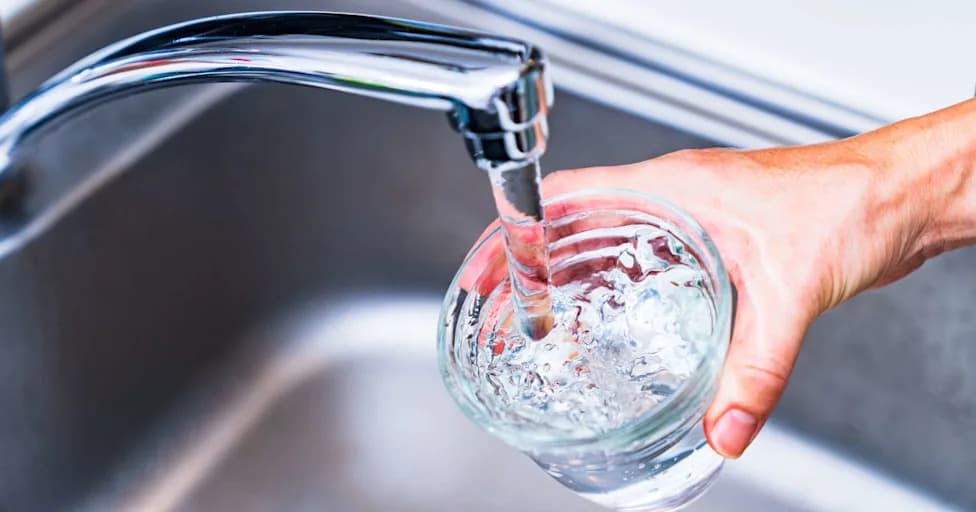
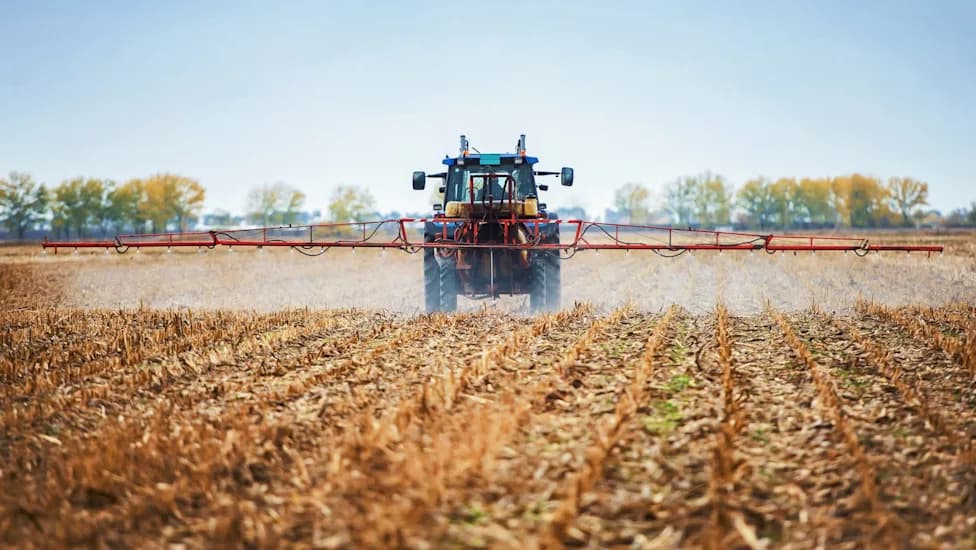
State-level regulation of PFAS — persistent chemicals linked to cancer and hormone disruption — is accelerating across the U.S., with more than a dozen new laws slated for 2026 and roughly 300 proposals under review. Several states are moving toward class-based restrictions that make simple chemical substitutions harder for manufacturers. The debate intensified after Texas opened an investigation into whether Lululemon products contain PFAS; the company says it removed PFAS from DWR coatings in fiscal 2023. Advocates say state action can prompt nationwide product changes and reduce long-term public health and cleanup costs.
State Crackdown On 'Forever Chemicals' Is Rewriting U.S. Supply Chains
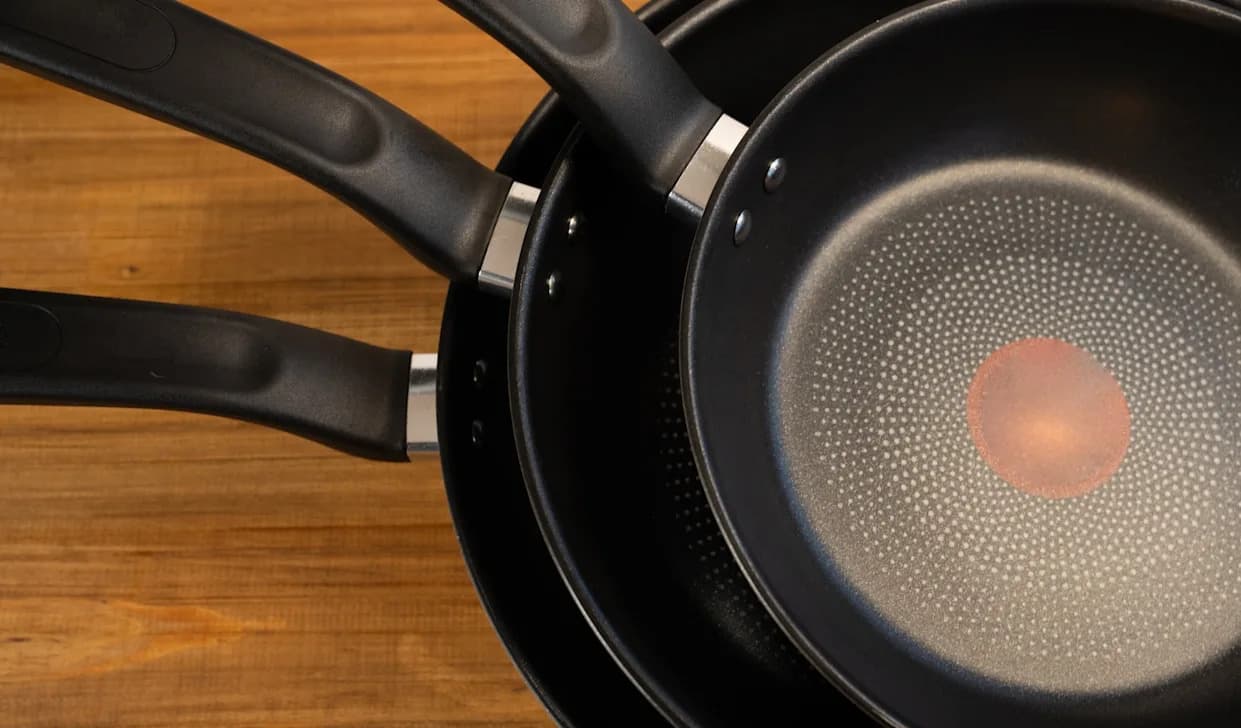
Photo Credit: iStock
A state-by-state push to curb so-called "forever chemicals" is shifting from a patchwork of local rules to a movement that could change the products Americans wear, cook with and bring into their homes.
Patchwork Rules, National Impact
PFAS (per- and polyfluoroalkyl substances) are persistent in the environment and have been linked to cancer, birth defects and endocrine disruption. While federal action has lagged, many states are stepping in: a Safer States report finds more than a dozen new state laws scheduled to take effect in 2026, and roughly 300 additional PFAS policies are under consideration nationwide.
Several states — including Connecticut, Oregon, Rhode Island, Minnesota, Washington, California, Colorado and Vermont — are advancing either disclosure requirements or outright restrictions. Because most brands prefer a single national product specification over multiple state-specific supply chains, tougher rules in a handful of states often prompt manufacturers to change products for the entire U.S. market.
Class-Based Rules And Chemical Substitutions
Notably, many states are regulating PFAS as a chemical class rather than banning individual compounds one by one. Class-based regulation aims to prevent manufacturers from evading limits by swapping a banned PFAS for a closely related substitute, making the rules more durable as science and markets evolve.
High-Profile Scrutiny: The Lululemon Investigation
The issue drew heightened attention after Texas Attorney General Ken Paxton opened an investigation into whether certain Lululemon products contain PFAS despite the brand's wellness-focused image.
"I will not allow any corporation to sell harmful, toxic materials to consumers at a premium price under the guise of wellness," Paxton said.
Lululemon responded that it removed PFAS from its durable water-repellent (DWR) coatings in fiscal year 2023 and says its products meet or exceed global safety, regulatory and quality standards.
Public Health, Costs And Remediation Progress
Advocates argue that stronger state rules can deliver broad public benefits: reduced exposure to potentially harmful chemicals, fewer hidden toxins in everyday goods, and lower long-term public costs for health care and water cleanup. Rhode Island State Rep. June Speakman emphasized that families should not have to learn "after the fact" that dangerous chemicals were allowed into food, water or products, and Safer States national director Sarah Doll said policymakers are answering what communities "already know and what they need."
Research on remediation is advancing as well. Scientists at Flinders University in Australia described a method that traps short-chain PFAS using nanosized molecular cages embedded in silica, reporting a 98% removal rate — a promising step for water treatment and cleanup efforts.
What To Watch
Expect more states to adopt disclosure or class-based restrictions, and watch for manufacturers to adjust formulations and supply chains to comply with the strictest rules. Those changes could result in cleaner consumer products nationwide even before a comprehensive federal policy is in place.
Help us improve.