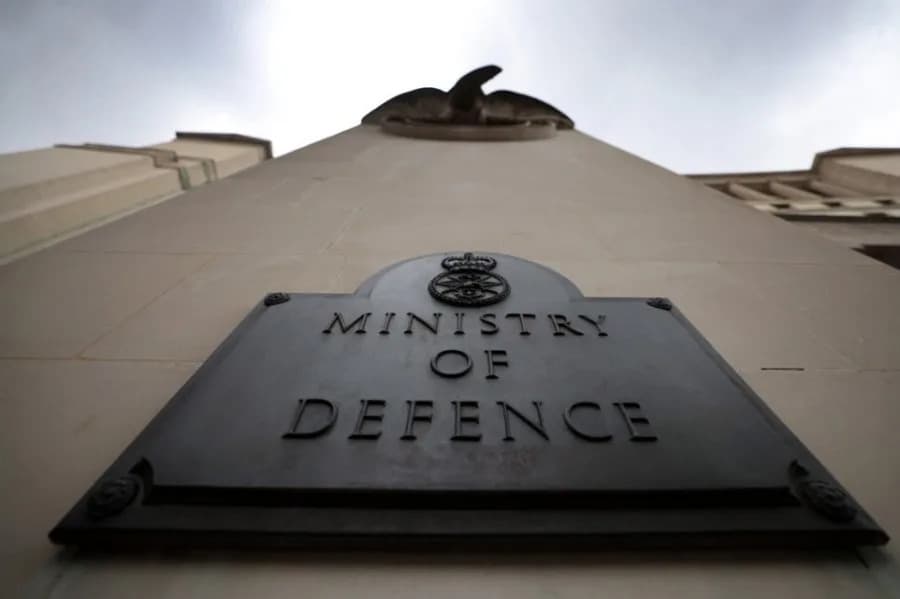
President Trump signed a National Security Presidential Memorandum to speed deployment of advanced AI across U.S. defense agencies, less than a week after an executive order on AI regulation. The memo directs rapid onboarding of commercial and open‑source models and requires the Secretary of Defense to update guidance on autonomous weapon systems. It bars unauthorized tampering with AI systems used by warfighters and forbids defense agencies from producing models intended to censor speech, embed ideological bias, or conduct unlawful surveillance. An earlier order grants a 30‑day government review window for frontier models.
Trump Memo Pushes 'Most Advanced AI' Into U.S. Military, Orders Rapid Onboarding and Anti‑Tampering Rules
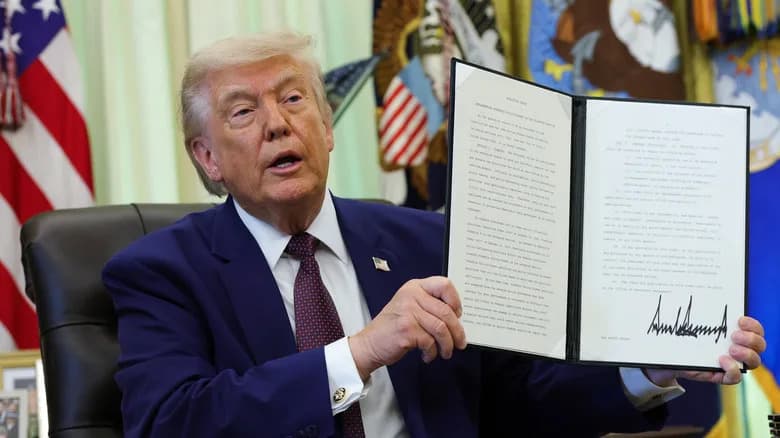
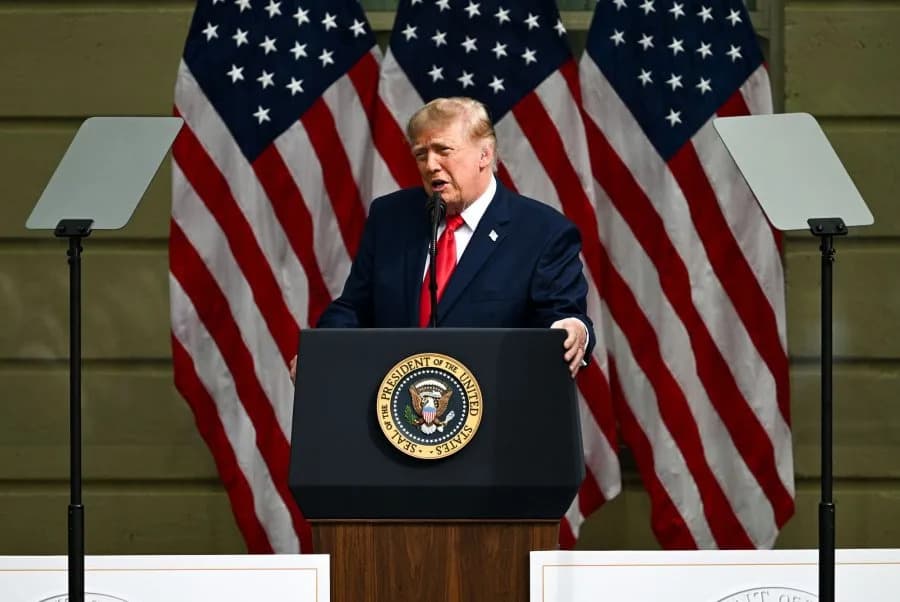
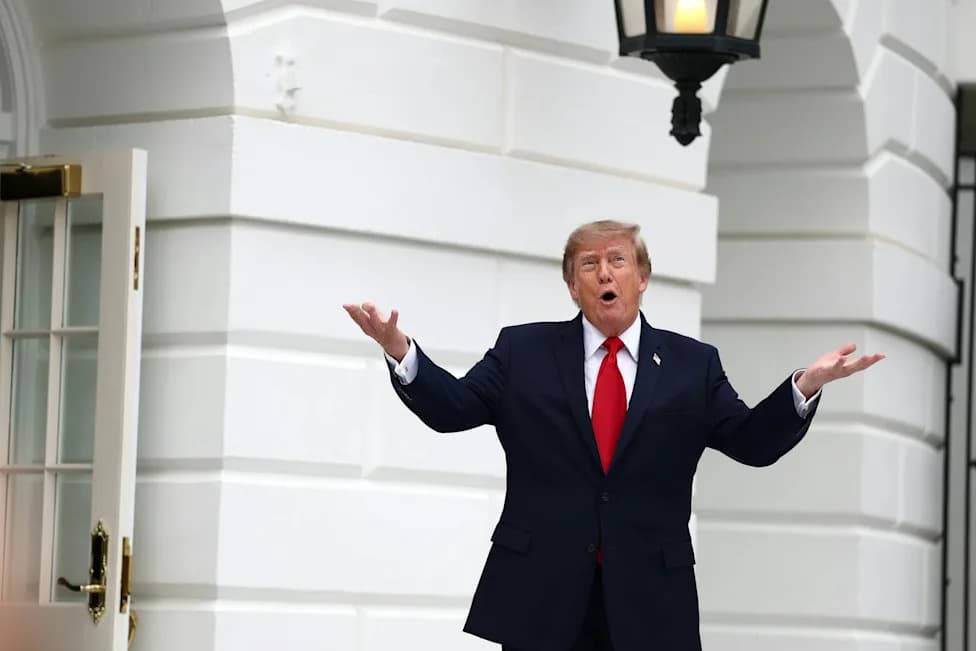
Trump showing off his signature on an executive order. - Kevin Dietsch/Getty Images
Less than a week after issuing an executive order aimed at regulating the fast‑growing AI industry, President Trump signed a National Security Presidential Memorandum intended to accelerate deployment of advanced artificial intelligence tools across U.S. defense agencies.
"The men and women who defend our nation deserve the best, most secure and most reliable AI in the world, and our citizens deserve to know it is handled responsibly with the care and seriousness they expect," said Michael Kratsios, Director of the White House Office of Science and Technology Policy, on X.
The memorandum directs the federal defense network to "accelerate AI adoption" and to "adapt the best commercial and open‑source technologies for mission use." It specifically calls for "rapid onboarding of the most advanced AI models from multiple vendors," signaling a faster path to operational use of commercial and open models within military systems.
The memo instructs the Secretary of Defense to issue updated guidance on autonomous weapon systems and institutes a new operational safeguard: "no entity, commercial or otherwise, can disable, degrade or modify an AI system that American warfighters depend on without prior approval." This restriction aims to protect mission‑critical AI from unauthorized changes.
At the same time, the memorandum sets clear limits on what defense agencies may develop or release. It prohibits creating AI models designed to "censor free speech, embed ideological bias or conduct unlawful surveillance against the American people." An earlier executive order from the same week complements this memo by giving the government a 30‑day review window for so‑called "frontier models" before public release.
Implications: The directive accelerates military adoption of cutting‑edge AI while attempting to balance operational reliability and civil‑liberties protections. Observers have noted potential challenges, including oversight of vendor models, the technical definition of "frontier" systems, and the balance between rapid deployment and safety testing.
Help us improve.