Chronic absenteeism in U.S. schools—defined as missing about 10% of the year—reached an estimated 23.5% in 2024. While attendance drives and tutoring address logistics, many absences reflect deeper disengagement tied to anxiety, isolation and heavy passive screen use. High-quality after-school programs, camps and youth organizations offer hands-on learning, mentoring and blended academic support that restore confidence and belonging. Expanding equitable access through targeted funding, school partnerships and transportation solutions should be a central part of any strategy to reduce chronic absenteeism.
Beyond Attendance Drives: How Out‑of‑School Time Reconnects Students and Improves Outcomes
Chronic absenteeism remains one of the most persistent challenges in U.S. education. Students are considered chronically absent after missing roughly 10% of the school year—about 18 days in many districts—and the national rate reached an estimated 23.5% in 2024.
Why Absences Are More Than Logistics
Many districts respond with attendance campaigns, tutoring and family outreach. Those tactics are important, but they often frame absenteeism as a logistical problem. For many students the root cause is disengagement: anxiety, social isolation, academic frustration or a weak sense of belonging that predates any absence.
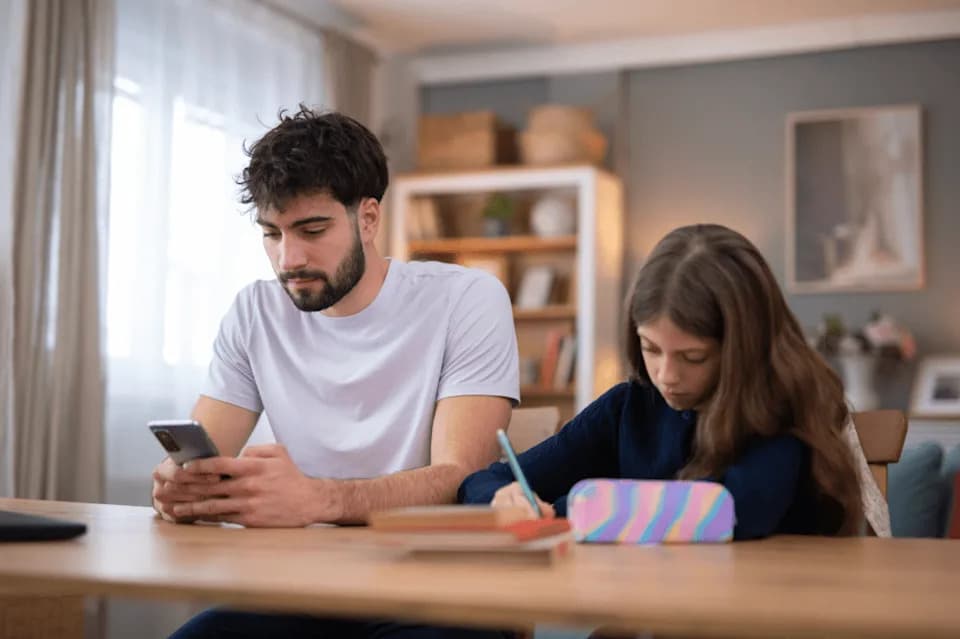
An underappreciated contributor to disengagement is how young people spend their out-of-school hours. American teens now average more than eight hours per day on passive, solitary screen activities—scrolling social media, watching videos or gaming—which research links to greater anxiety, sleep disruption and lower well-being.
What High-Quality Out‑of‑School Programs Offer
After-school programs, youth organizations and camps can help bridge the gap between disengagement and attendance by offering experiences that differ from the traditional classroom. Research shows these settings foster the social-emotional skills and relationships that support long-term school engagement.
Common features of successful programs include:
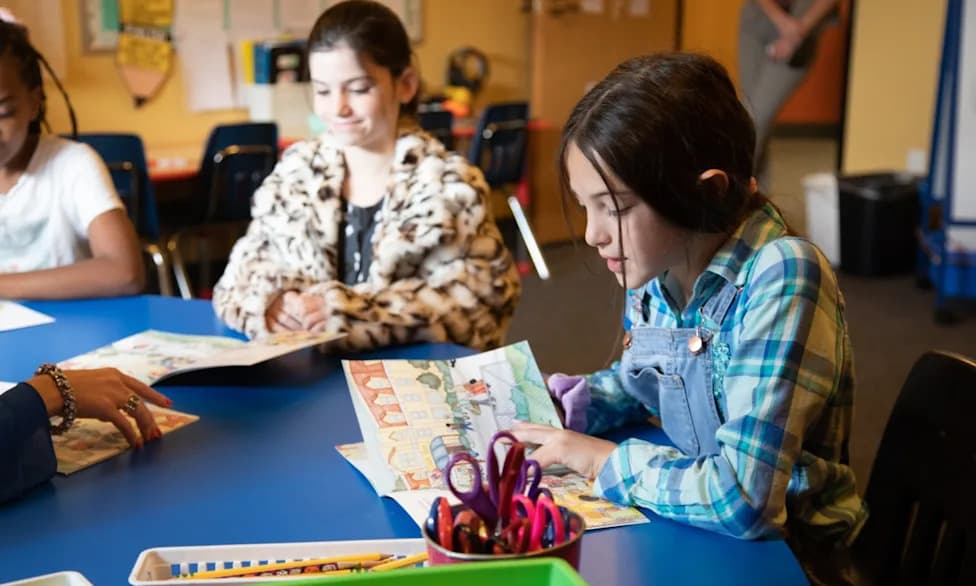
- Hands-On, Low-Pressure Learning: Robotics, cooking, outdoor skills and creative arts give students chances to spark curiosity and feel accomplishment without high-stakes testing.
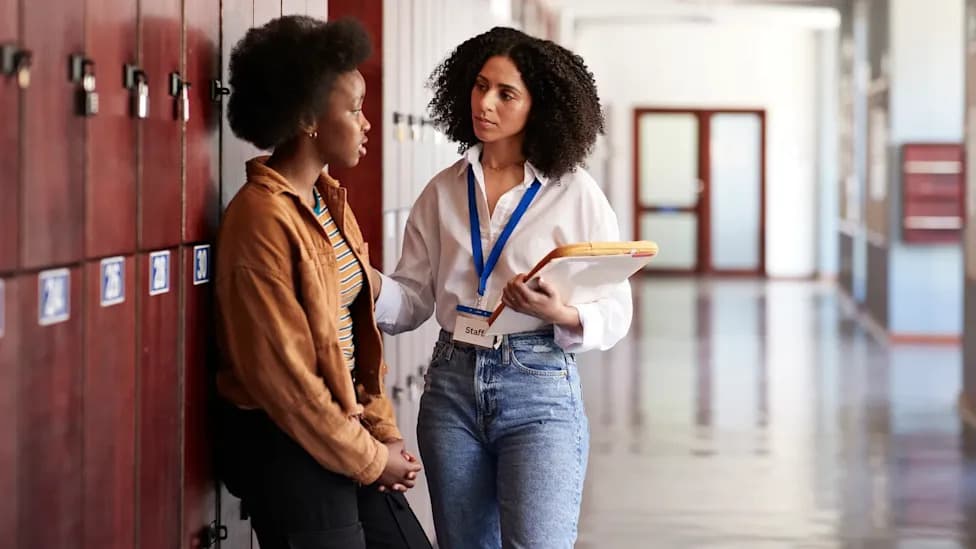
- Meaningful Relationships: Caring mentors and peer connections—adults who support development rather than grade work—help students build confidence and belonging.
- Blended Academic Support and Recreation: Homework help and literacy or STEM activities embedded in social, collaborative settings rebuild academic confidence while preserving autonomy and enjoyment.
Barriers to Access and Policy Options
Access to quality out-of-school programs is uneven. The Afterschool Alliance estimates roughly 22 million children would attend an after-school program if one were available. Cost, transportation and limited capacity disproportionately block participation in lower-income communities.
If policymakers aim to reduce chronic absenteeism, expanding equitable access to these programs should be a core strategy. Practical steps include:
- Intentionally using federal Title IV and other ESSA funding to support community-based youth programs.
- Creating formal school partnerships with organizations such as Boys & Girls Clubs, YMCA, 4-H and Camp Fire so schools help enroll students directly.
- Addressing transportation barriers through late bus routes, coordinated ride-sharing or school-provided pickup services.
- Leveraging philanthropic and corporate investments to expand capacity where demand outstrips supply.
Why This Matters
These programs should not be viewed merely as another academic intervention. Their value lies in offering experiences that restore curiosity, community and purpose—elements that make students want to show up. In an era dominated by digital distraction and performance pressure, students may need more unstructured, active time with peers and mentors to rebuild the engagement that sustains attendance and academic success.
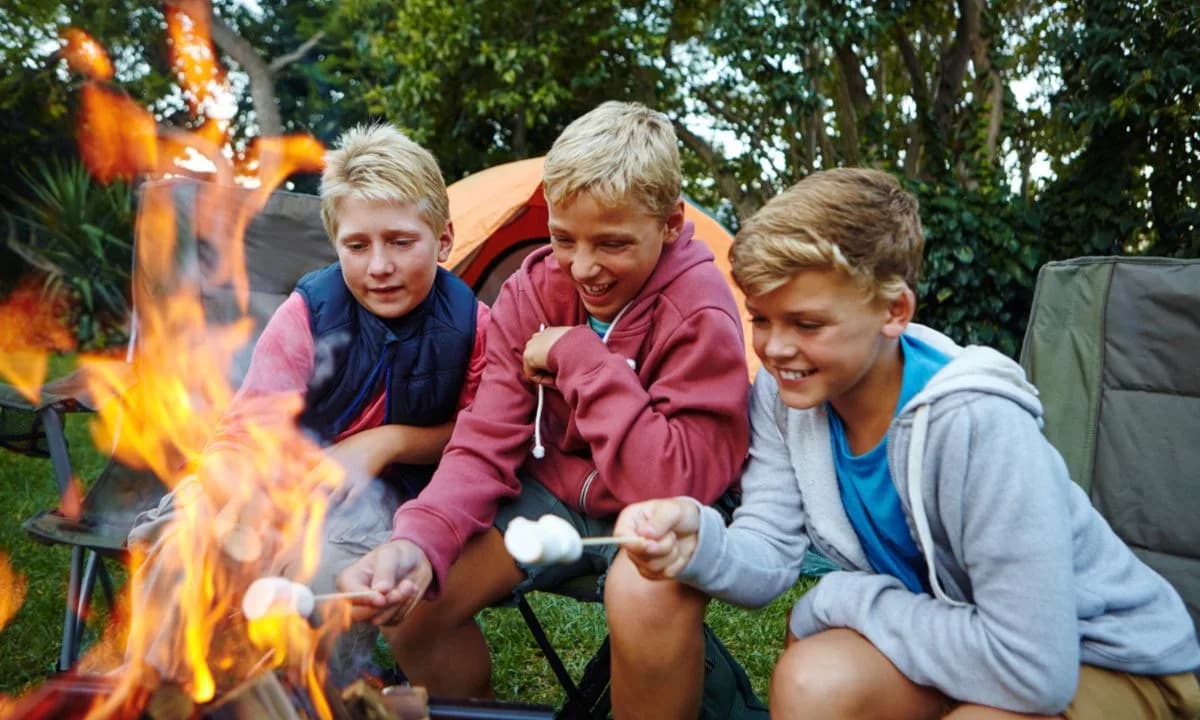
Where it happens—after school, in a community center, a makerspace or around a campfire—matters less than the quality of relationships, hands-on learning and access. Those experiences can help students rediscover why it matters to be in the classroom.
Help us improve.