The Equal Opportunity Schools and Center for Trust and Transformation study finds students who report a trusted adult in school are 10%–20% more likely to take advanced coursework and show modest GPA gains. About 77% of students reported a trusted adult between 2016 and 2020, with teachers most often named. The analysis exposed racial and ethnic disparities in access to trusted adults and showed many academically ready 10th–11th graders did not receive teacher recommendations for AP — about 24% lacked both a recommendation and a trusted-adult connection.
Trusted School Adults Linked to Higher AP Enrollment and Slight GPA Gains, Study Finds
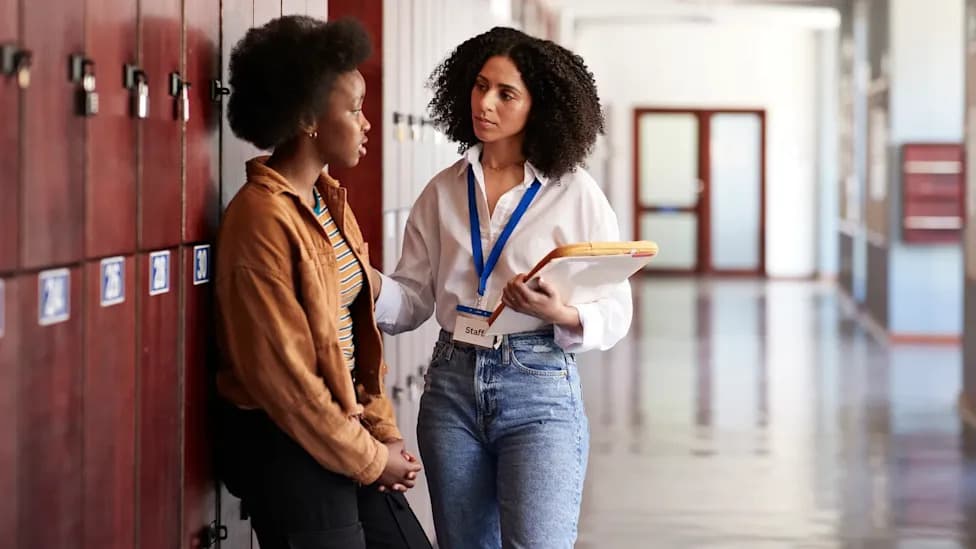
A student and teacher in a school hallway with lockers are talking
New research from Equal Opportunity Schools and the Center for Trust and Transformation finds that students who report having a trusted adult at school are substantially more likely to enroll in advanced coursework and register modest improvements in GPA.
Key Findings
Increased Advanced-Placement Access: Students with a trusted adult were 10%–20% more likely to take advanced coursework, including Advanced Placement (AP) classes.
Prevalence of Trusted Adults: About 77% of surveyed students reported having a trusted adult in at least one school year between 2016 and 2020. Teachers were named most often, followed by counselors, coaches, school leaders, office staff and custodians.
Equity Gaps: Black, Indigenous, Latinx and Hawaiian or Pacific Islander students reported trusted-adult connections at lower rates than White and Asian peers. Students were also more likely to have trusted adults who shared their racial or ethnic background.
Data and Methods
The primary analysis used more than 1.8 million student records, 77,000 staff records, 1,404 schools and 450 districts from the Equal Opportunity Schools network. A related analysis with the Learning Collider examined over 284,000 observations of 10th- and 11th-grade students who were not already enrolled in AP courses and who had a GPA of at least 3.0.
Among those academically eligible students, roughly 45% did not receive a teacher recommendation for more rigorous coursework. About 24% of that subgroup neither received a recommendation nor reported a trusted-adult connection — suggesting ready students were not consistently being connected to opportunities.
Interpretation and Recommendations
The report emphasizes that trust between students and school staff yields social, emotional and academic benefits. It also notes that trust-building is complex and multi-faceted, and the causes of the observed disparities are not fully determined.
"These studies reinforce how much trusted relationships matter in schools," said AJ Gutierrez, CEO of Equal Opportunity Schools. "The next step is turning trusted school-based relationships into concrete opportunities for students."
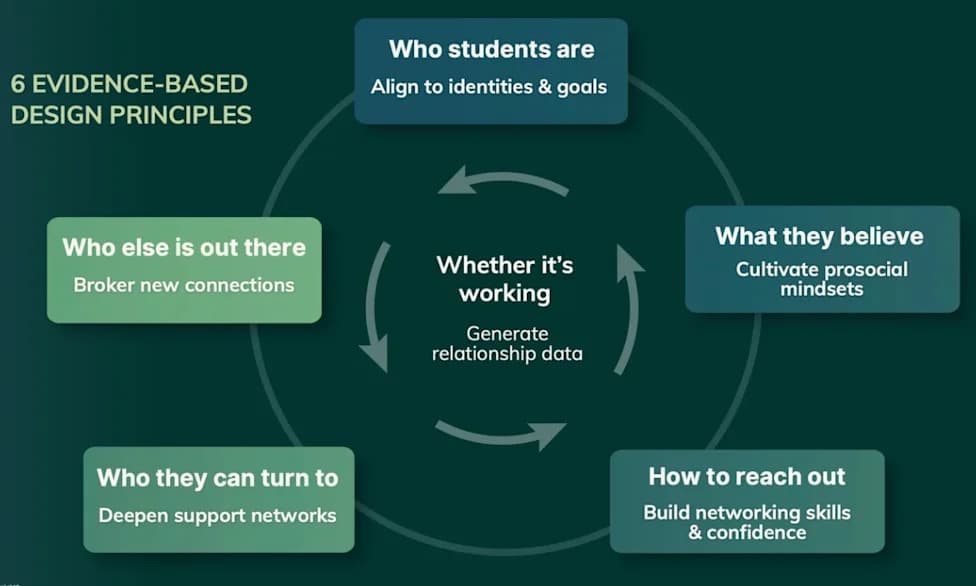
The researchers and partners recommend that schools use trusted adults strategically: train teachers and staff to identify and recommend students for advanced coursework, equip coaches and counselors to re-engage disengaged learners, and intentionally connect students to opportunities through trusted relationships. They also encourage tracking trust-related measures and closing racial/ethnic gaps in access to trusted adults.
What This Means For Schools
Strengthening and leveraging trusted adult connections appears to be a practical lever for expanding access to challenging coursework and supporting student success. Districts can pilot training, referral processes, and monitoring to ensure that trust translates into tangible opportunities — especially for historically underserved student groups.
Help us improve.