The Centre for Social Justice’s report Hijacked High Streets links rising anti-social behaviour with wider problems in towns and schools. Truancy in England has increased since the Covid lockdowns, with nearly 40,000 children completely absent and 1.6 million persistently absent last year. While many truant pupils need mental-health support, chronic disruptors damage the education of their classmates. The piece argues for a balanced policy that protects mainstream classrooms while reallocating some resources to support high achievers and targeted interventions.
Are We Spending Too Much on Pupils Who Won't Learn? The Cost of Truancy and Anti-Social Behaviour
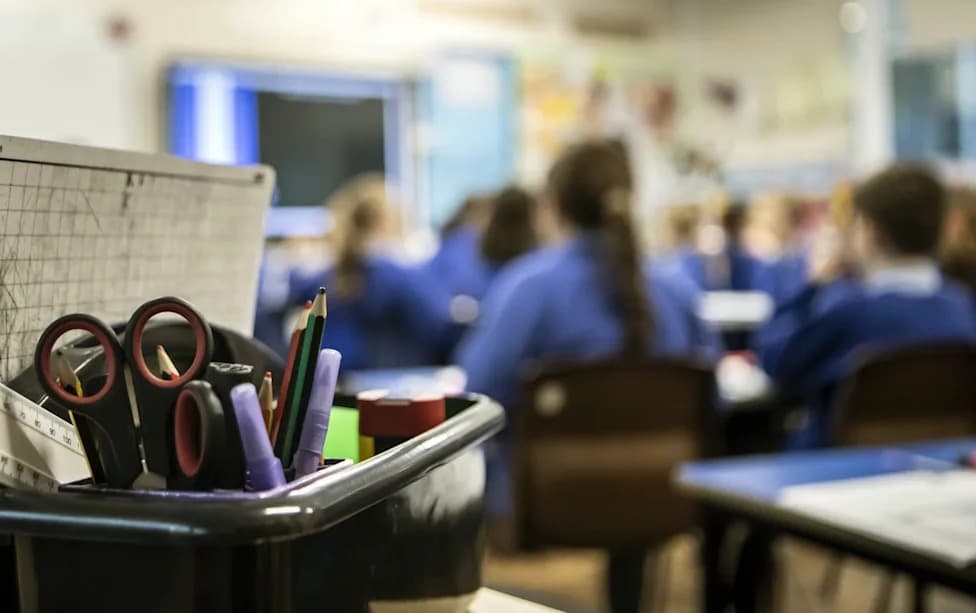
Last year in England, nearly 40,000 school-age children were entirely absent from education - Danny Lawson/PA
A small but disruptive minority is making life harder on Britain’s high streets and inside its classrooms, argues a new report from the Centre for Social Justice. Hijacked High Streets links persistent anti-social behaviour in town centres with broader social problems, and proposes measures including reducing benefits for families whose members repeatedly engage in anti-social acts.
As the school year begins, many teachers face the daily strain of classroom disruption. Truancy has risen sharply since the Covid lockdowns of 2020–21: in England last year nearly 40,000 school-age children were entirely absent from education, and around 1.6 million pupils were classified as persistently absent, missing at least 10% of lessons.
Why This Matters
Skipping school is strongly associated with poorer long-term outcomes. While many pupils avoid school because of anxiety or other mental-health problems — and deserve support — a subset repeatedly disrupts lessons and damages classmates’ chances of learning. Teachers report that two or three disruptive pupils in a class of 25–30 can make lessons ineffective for everyone; bad behaviour is also contagious and can erode classroom culture over the course of a year.
Causes and Responses
Research from the 1990s by the late Dennis O’Keeffe identified boredom and lack of engagement as a primary driver of truancy: many pupils simply found lessons unstimulating and chose not to attend. Making lessons more engaging is part of the solution, but some essential learning is necessarily unexciting, and learning to tolerate routine and discipline is also preparation for adult working life.
Balance Is Essential: Many truant pupils need mental-health support and encouragement to return to school. But schools and policymakers must also protect the learning environment for the majority of pupils.
Policy and Practical Implications
The problem has been compounded, critics say, by inclusion policies that make permanent exclusion from state schools more difficult, leaving teachers reluctant and under-resourced when dealing with persistent troublemakers. Unions have been divided: the National Education Union is generally cautious about stricter exclusion, while NASUWT has historically pushed more strongly for teacher interests, though it too has shifted in recent years.
The article argues that some resources currently spent trying to contain pupils who consistently refuse to engage might achieve greater public benefit if redirected. In particular, a stronger focus on supporting the most gifted and able pupils could improve social mobility and reward academic talent.
Conclusion
Addressing truancy and anti-social behaviour requires a dual approach: compassionate support and mental-health interventions for those who genuinely need them, alongside firm, proportionate disciplinary options to protect other pupils’ education. Rebalancing resources and policy to safeguard classroom learning while offering targeted help to vulnerable children may offer the best path forward.
Help us improve.