Telepresence robots such as the AV1 (about £3,500 each) let absent pupils join lessons remotely and can be invaluable for medically vulnerable children. However, their use for Emotional-Based School Avoidance (EBSA) is controversial: persistent absence reached 1.34 million pupils (18%) in 2024–25, and EBSA may affect 1–5% of students. Critics warn robots can entrench avoidance, pose privacy and classroom-management challenges, and currently lack robust comparative evidence. Many councils are piloting the tech and limiting access to medical cases while researchers call for stronger data and safeguards.
Telepresence Robots in Classrooms: Help For The Medically Vulnerable — Or A Crutch For Anxiety-Based Absence?
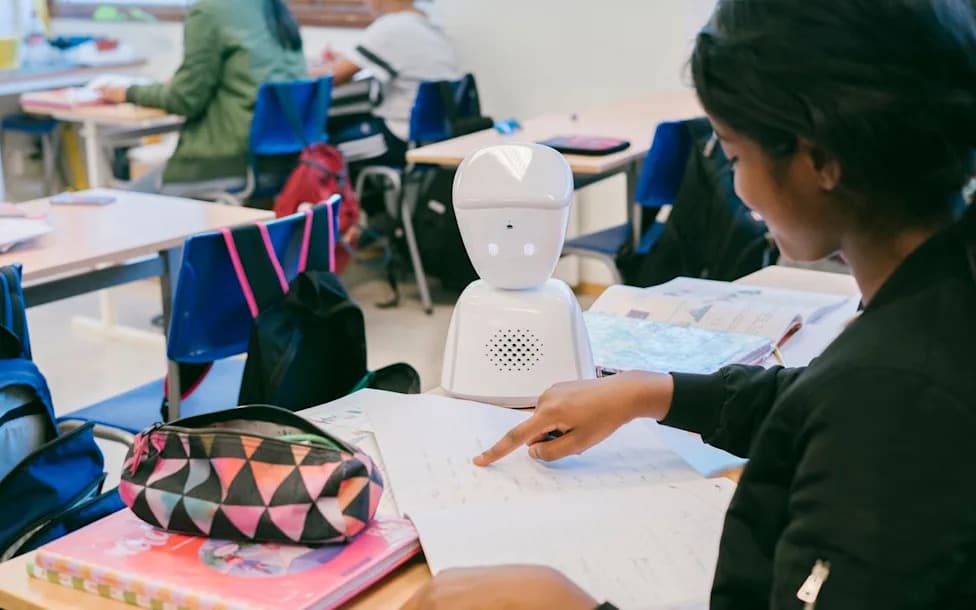
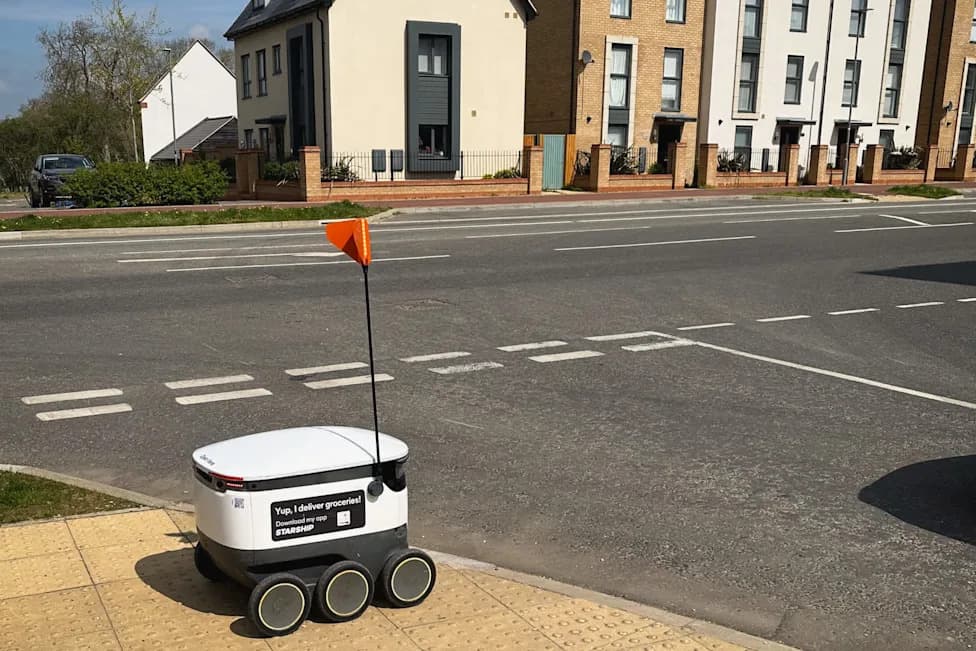
AV1, the app-controlled telepresence robot, attends lessons in place of a sick child to act as their eyes, ears and voice
Small telepresence robots that let absent pupils join lessons remotely are appearing in schools across the country. The AV1 device — equipped with cameras and microphones and costing roughly £3,500 a unit — lets a child watch, listen and speak from home while classmates can carry the unit between rooms so it moves with the group.
Who Benefits?
For a relatively small number of children with genuine medical needs — such as those undergoing cancer treatment, recovering from serious illness, or at real risk from infection — a telepresence robot can preserve social connections and continuity of learning. In those cases, the device can be an important tool to help a child remain part of their school community while they recover.
Where Concerns Arise
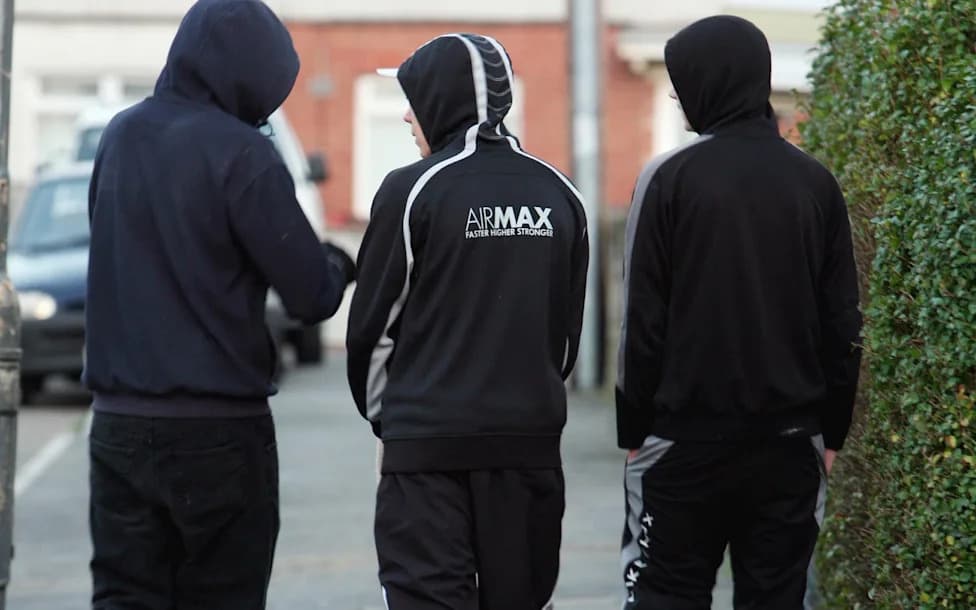
However, councils are increasingly using these robots for pupils who are absent for non-medical reasons, particularly Emotional-Based School Avoidance (EBSA). Persistent absence is a major problem — 1.34 million children (18%) were persistently absent in 2024–25 — and EBSA is estimated to affect roughly 1–5% of pupils. That scale, and the way EBSA is identified, raises hard questions about appropriate use of telepresence technology.
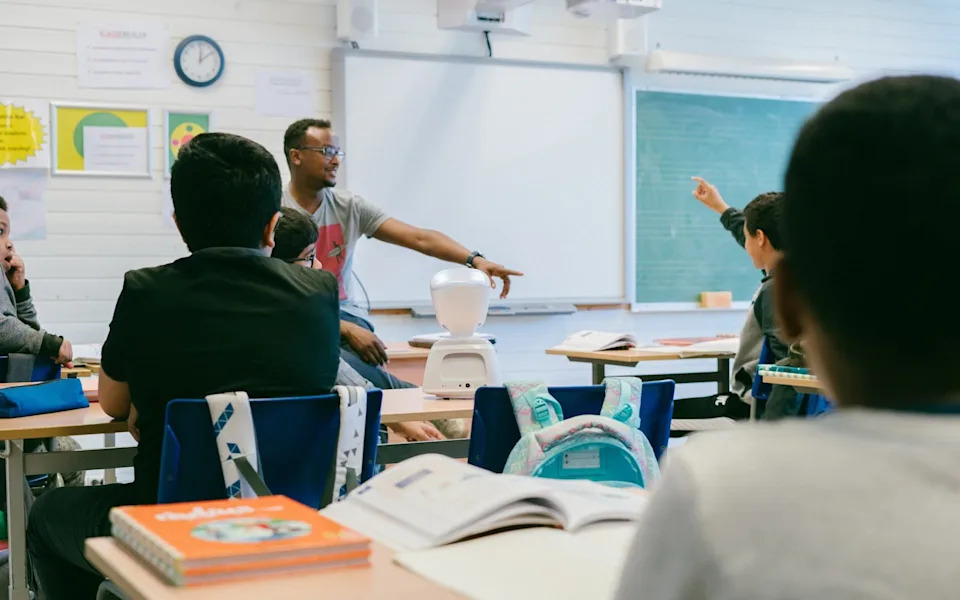
AV1 telepresence robots in the classroom
Key worries include:
- Reinforcing Avoidance: Gradual reintroduction to school attendance is a proven approach. If a robot becomes a long-term substitute, it risks confirming the message that staying away is acceptable.
- Weak Evidence Base: The manufacturer reports that 76% of AV1 users return to school, but without controlled comparisons or peer-reviewed studies it’s impossible to know whether the device caused those returns or if they would have happened anyway.
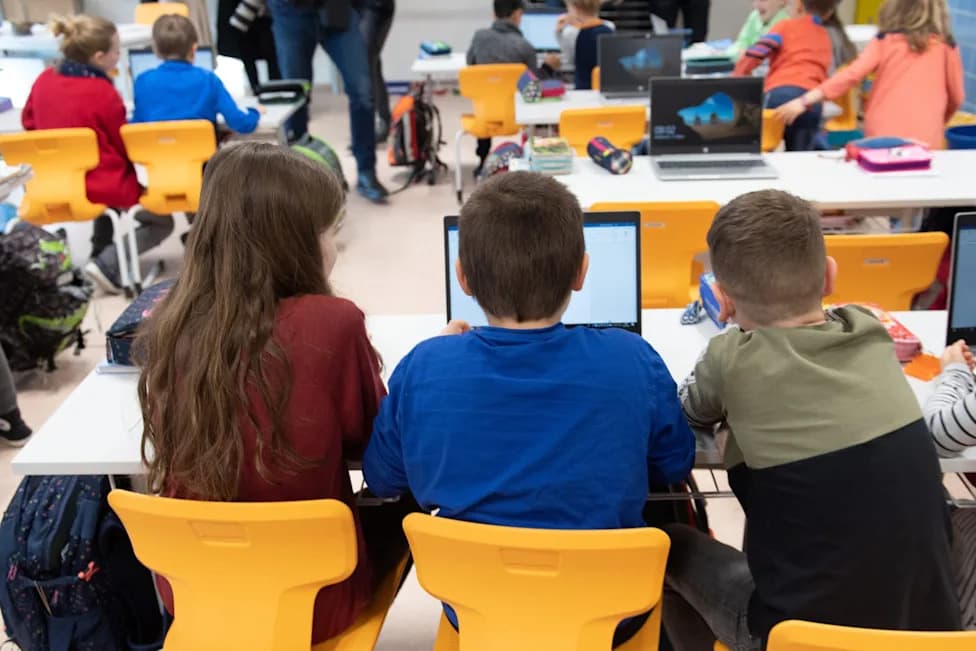
- Classroom Management: Teachers must balance the needs of on-site pupils with remote participants; multiple devices could fragment attention and complicate lesson delivery.
- Privacy and Safeguarding: Broadcasting from a child’s home — sometimes from a bedroom — raises significant safeguarding and data-protection issues that schools and councils must manage robustly.
- Social Stigma: Some children report feeling embarrassed to be represented by a small, toy-like device, which can undermine the intended social benefits.
How To Use Robots Responsibly
Used as part of a structured, time-limited plan to rebuild classroom attendance, telepresence can be helpful. Councils piloting the technology and restricting access to those with clear medical need are taking a cautious, evidence-seeking approach. Schools and local authorities should:
- Reserve devices primarily for medically vulnerable pupils, or use them as a temporary step in a planned return to campus.
- Collect robust data and run comparative evaluations to measure true impact on attendance and wellbeing.
- Establish clear safeguarding, privacy, and classroom-management protocols before deployment.
- Communicate expectations to pupils and families that telepresence is a bridge back to school, not a permanent substitute where attendance is possible.
Education has a history of well-intentioned, costly interventions introduced without strong evidence. Telepresence robots are promising in specific medical cases but must be deployed cautiously to avoid unintended harms.
Tom Bennett is an Independent School Behaviour Advisor and the founder of researchED.
Help us improve.