The United Nations University finds global data centers consumed about 448 TWh of electricity last year—producing roughly 208 million tons of CO2 and using an estimated 1.2 trillion gallons of water. The report projects consumption could reach ~935 TWh by 2030, driven largely by AI, which may account for ~40% of data center energy. Researchers note that inference (operational requests) accounts for about 90% of AI energy use and recommend shorter, more precise prompts to cut consumption.
UN Report: Data Centers and AI Now Leave Nation‑Sized Environmental Footprints
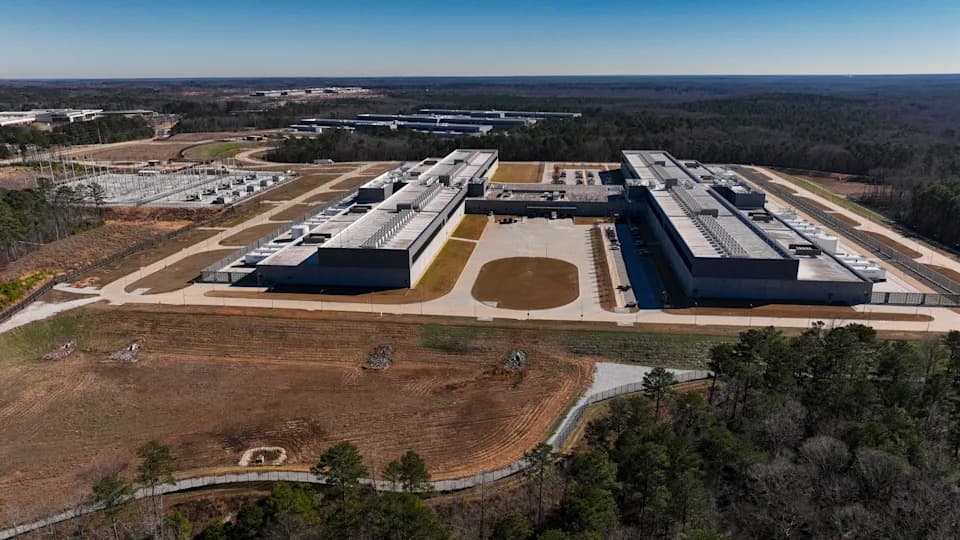
FILE - Meta's Stanton Springs Data Center is visible Jan. 13, 2026, in Newton County, Ga. (AP Photo/Mike Stewart, File)(AP Photo/Mike Stewart)
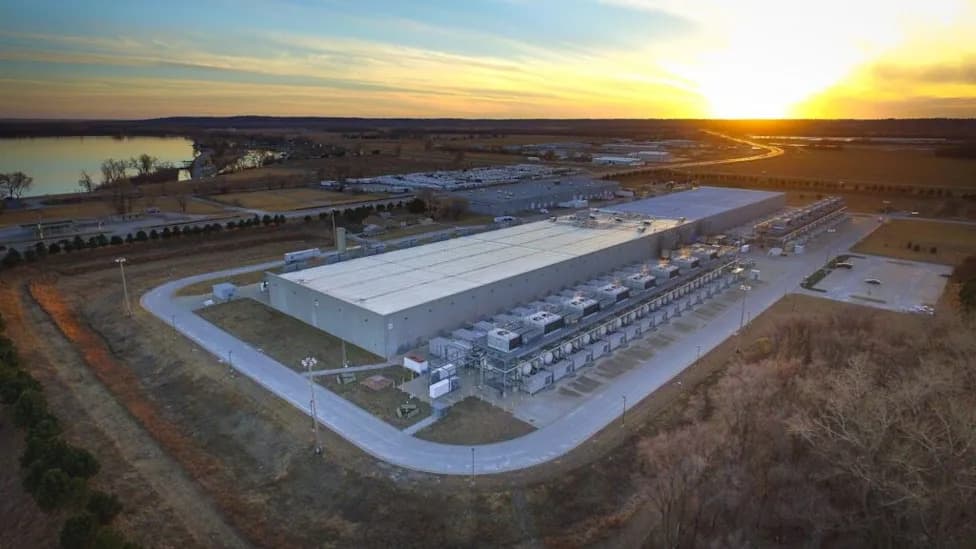
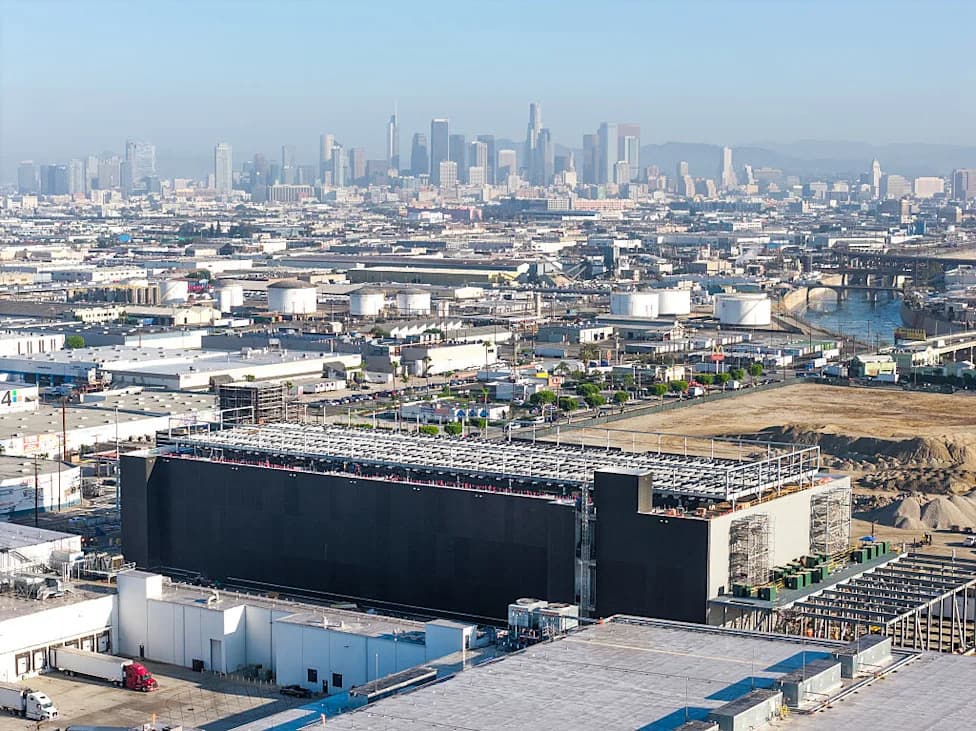
A United Nations University report warns that the environmental footprint of global data centers now rivals that of entire countries and is poised to grow sharply as artificial intelligence expands. The study finds that data centers consumed about 448 trillion watt‑hours (TWh) of electricity last year—more than all but ten countries—and generated roughly 208 million tons (189 million metric tons) of CO2. Producing that electricity also required an estimated 1.2 trillion gallons (4.5 trillion liters) of water.
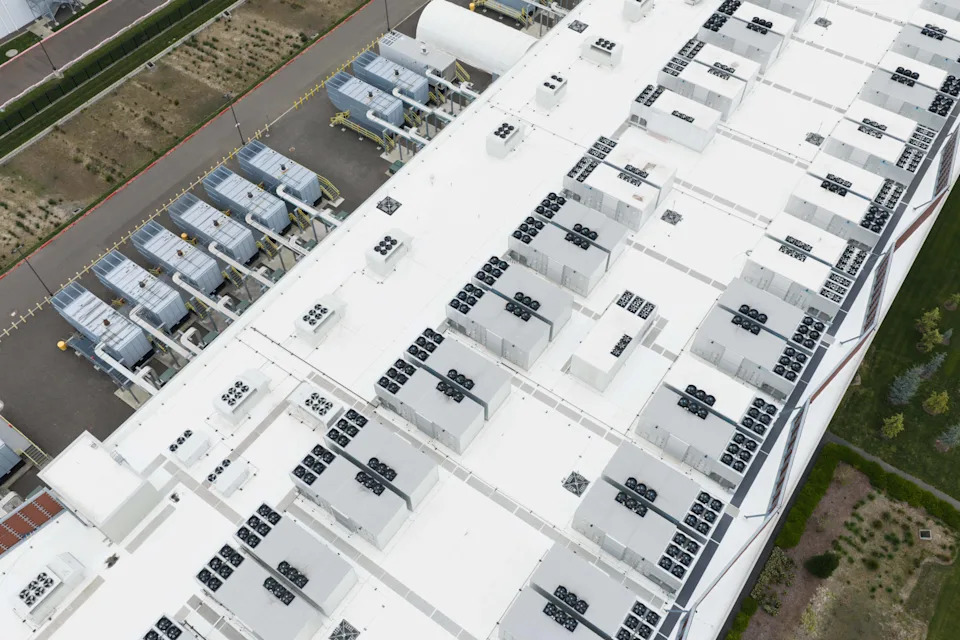
FILE - Fans, part of a cooling system, are visible on the roof of a data center April 27, 2026, in Hillsboro, Ore. (AP Photo/Jenny Kane, File)(AP Photo/Jenny Kane)
Projected Growth and the Role of AI
The report projects data center electricity demand could reach roughly 935 TWh by 2030—nearly 3% of projected global electricity use. If data centers were treated as a country, that level of consumption would rank sixth worldwide and produce nearly 440 million tons (399 million metric tons) of CO2. Much of the increase is driven by AI: the study estimates AI currently accounts for about 20% of data center energy and could grow to about 40% by 2030.
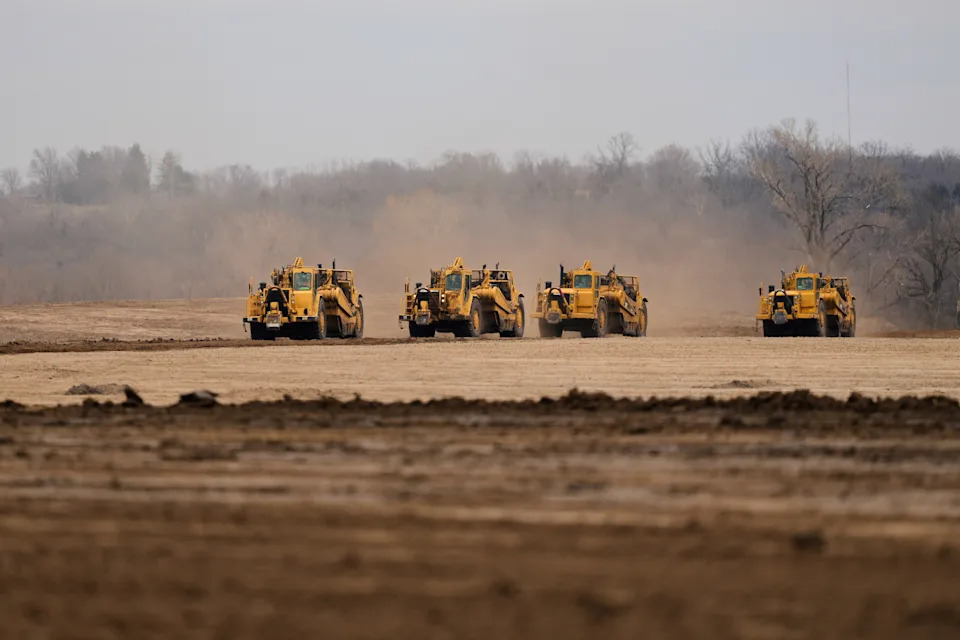
FILE - Earth movers prepare a site for a 2.5 million square foot AI data center March 24, 2026, in Independence, Mo. (AP Photo/Charlie Riedel, File)(AP Photo/Charlie Riedel)
Training vs. Inference: Where the Energy Goes
Training large AI models is energy‑intensive—GPT‑3 is estimated to have used about 1.3 billion watt‑hours to train, while later, larger models may have required 50–70 billion watt‑hours—but the report emphasizes that roughly 90% of AI energy consumption comes from operational requests (inference). The authors estimate GPT‑style models alone handle about 2.5 billion prompts per day, driving substantial ongoing energy use.

FILE - Amazon Web Services data center is visible at night Aug. 22, 2024, in Boardman, Ore. (AP Photo/Jenny Kane, File)(AP Photo/Jenny Kane)
“AI is not just a virtual thing. We’re talking about something that has physics, something that has real impacts,” said Kaveh Madani, a co‑author and director at the United Nations University Institute for Water, Environment and Health.
Practical Steps and Policy Challenges
The report offers practical user-level guidance: trimming prompt length by roughly 30% can cut AI energy use by about 25%—an electricity saving comparable to the annual consumption of roughly 700,000 people in Africa. Authors warn of a rebound effect, where improved efficiency can lead to greater overall use, offsetting per‑use gains. They also note that claims of renewable energy use for data centers can shift clean power away from other users, effectively causing dirtier generation to fill the gap elsewhere.
Transparency remains a major obstacle: many companies do not fully disclose data center locations, sizes or energy consumption, making comprehensive measurement and management difficult. Experts and advocates called for stronger disclosure, better regulation, and policies that account for carbon, water, life‑cycle impacts and environmental justice.
Note: The United Nations University authored the underlying report. The Associated Press independently covered the study with support for climate and environmental reporting from private foundations.
Help us improve.