Five years after a 2019 eradication that removed about 300,000 invasive rats and mice, invertebrate abundance on Lord Howe Island has risen by roughly 60%, researchers report. Teams from the University of Sydney and the New South Wales government collected more than 24,000 specimens across 20 sites to produce robust before-and-after comparisons. The rebound includes the metallic green stag beetle, denser understorey regrowth, and the rediscovery of a weevil not seen for over a century, signaling wider ecosystem recovery.
Metallic Stag Beetles Return as Lord Howe Island Invertebrates Surge 60% After Rodent Eradication
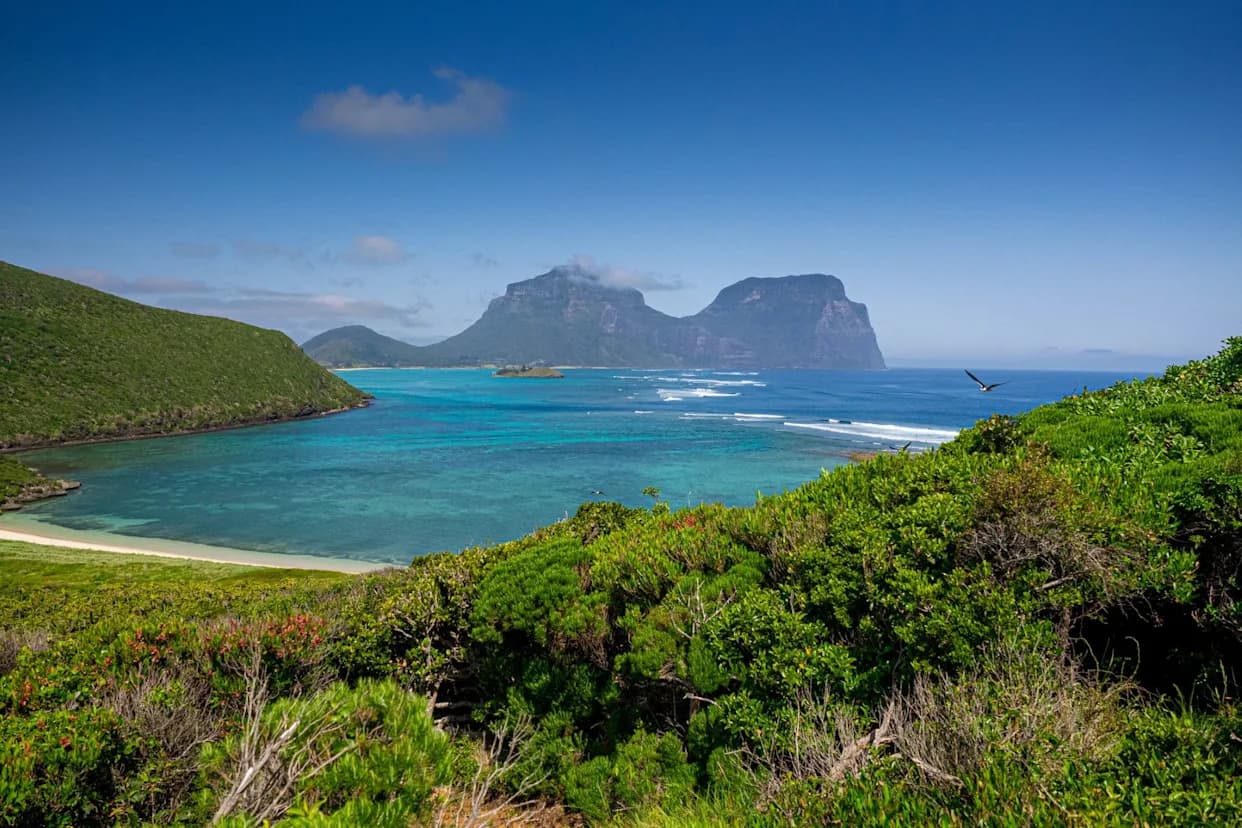
Photo Credit: iStock
The metallic green stag beetles are once again climbing into the treetops of Lord Howe Island — a vivid sign that the island's distinctive ecosystem is recovering after a large invasive rodent eradication in 2019. Researchers report an overall ~60% increase in invertebrate abundance five years after the removal of nearly 300,000 rats and mice.
What The Study Found
A study published in Biological Invasions, led by scientists from the University of Sydney and the New South Wales government, compared systematic surveys taken before and after the eradication. Field teams collected more than 24,000 specimens across 20 sites using traps and cardboard "cockroach hotels," giving robust, repeatable baseline data for measuring recovery.
Lord Howe Island, roughly 370 miles off Australia's east coast, supports over 1,600 recorded invertebrate species, about half of them endemic. Because the island has no native mammals, introduced rats and mice had an outsized impact for more than a century — consuming seeds, plants, birds, reptiles and large invertebrates and pushing some species to extinction.
Recovery Visible On Multiple Fronts
Scientists and local naturalists are already seeing clear signs of rebound: the metallic green stag beetle and other large invertebrates are more frequently observed, the forest understorey shows stronger regrowth, and bird populations such as the endemic woodhen are increasing. Naturalist Ian Hutton reported the recent rediscovery of a weevil not recorded for more than 100 years, suggesting some species thought lost may persist.
Maxim Adams: "Seeing these changes after only five years is especially promising."
Researchers stress that recovery is likely only beginning. More abundant invertebrates improve soil conditions, aid plant regeneration and supply food for geckos, skinks and birds, producing cascading benefits across the food web. Continued monitoring will be essential to track long-term outcomes and guide conservation and nature-based tourism on the island.
Why This Matters
The Lord Howe example shows how removing invasive mammals from islands can rapidly restore biodiversity and ecosystem function, with ecological and social benefits for local communities and global conservation efforts.
Help us improve.