Washington has documented 22 gray whale strandings this year, with malnutrition the leading cause identified in examinations. At least four whales showed injuries consistent with vessel strikes and one had evidence of entanglement. Researchers link the surge to declining Arctic prey driven by climate change and urge boaters to slow down, follow Be Whale Wise guidelines, and report stranded animals to the West Coast Marine Mammal Stranding Network at 1-866-767-6114.
22 Gray Whales Found Dead in Washington This Year — Scientists Warn Arctic Food Loss Is Driving Strandings
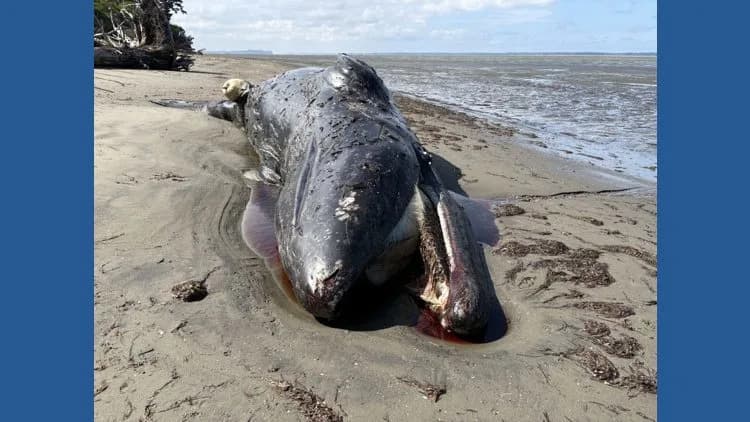
Cascadia Research Collective
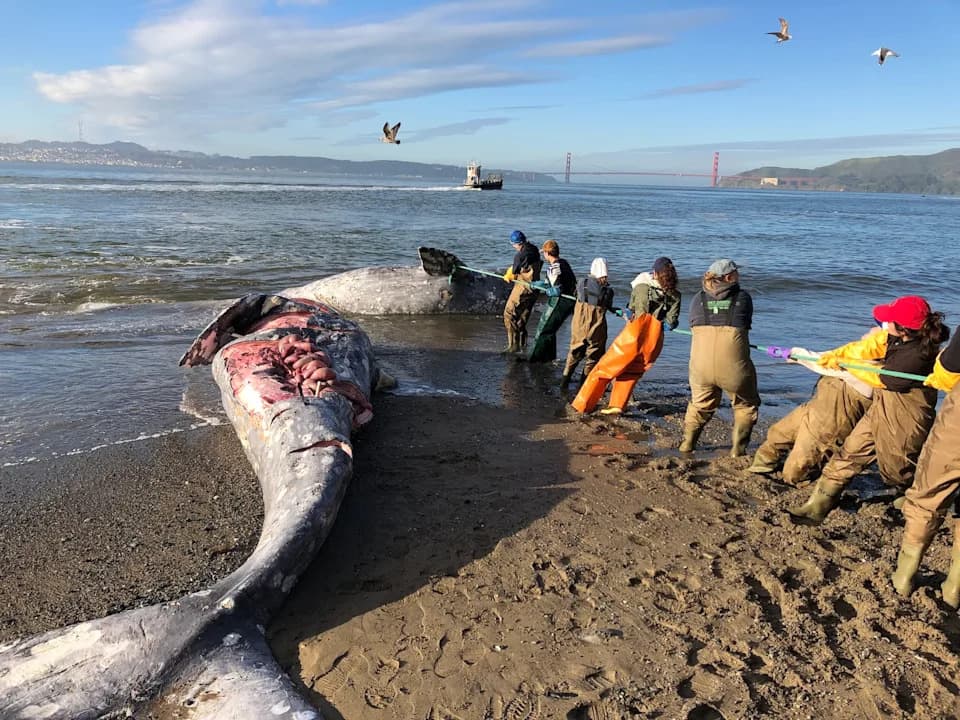
Washington state has recorded 22 gray whale strandings so far this year, a sharply rising toll that researchers link to worsening conditions in Arctic feeding grounds and increased risks nearshore. Officials and scientists warn that weakened whales are more likely to wash ashore, be struck by vessels or become entangled in fishing gear.
Latest Confirmed Deaths and Findings
The most recent confirmed fatality was a male gray whale discovered near Bremerton on May 20, the Washington Department of Fish and Wildlife reported. Examiners noted signs of malnutrition and blunt-force trauma.
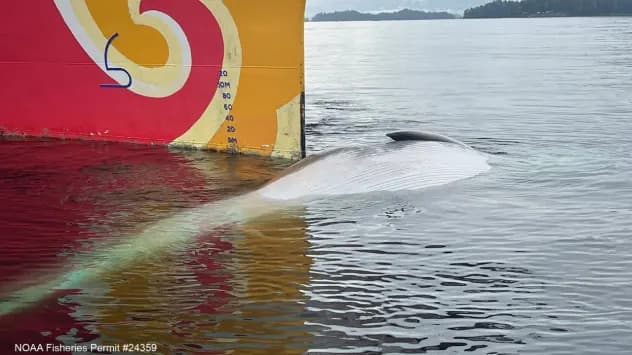
Scientists from the Cascadia Research Collective and NOAA Fisheries say malnutrition has been the predominant finding in whales examined this season. At least four animals showed injuries consistent with vessel strikes, and one whale had evidence of a recent entanglement.
Why Researchers Are Concerned
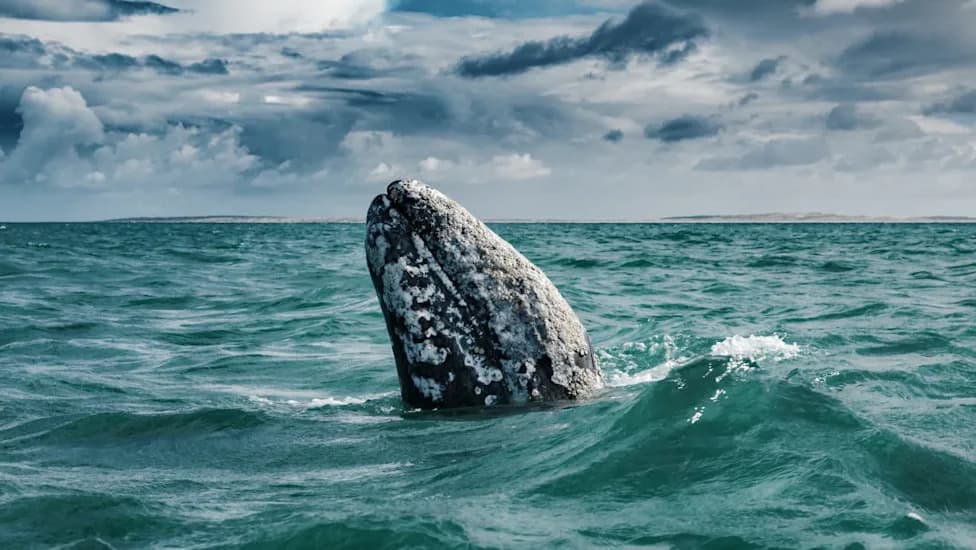
Gray whales migrate annually between breeding areas in Mexico and feeding grounds in the Arctic. Researchers believe climate-driven shifts in Arctic ecosystems over the past two to three decades have reduced the abundance of prey these whales rely on, forcing some animals to forage in unusual or nearshore areas where risks are greater.
“We’ve been seeing record numbers of gray whales washing up dead, what we call a stranding,” said Cascadia Research Collective founder and research biologist John Calambokitis in an earlier interview. “We’re up to 21 so far this year, just in Washington state and only gray whales.”
Counts have since been updated to 22 strandings statewide for the season. The previous statewide record was 35 strandings in 2019; researchers say this year’s pace has already exceeded the number recorded by the same point during that record year.
Public Safety and Reporting
NOAA Fisheries has urged boaters to be especially vigilant for weakened whales in Central Puget Sound, particularly near Bremerton, Bainbridge Island and Kingston. Officials caution that debilitated whales may swim slowly just below the surface and surface less frequently, making them harder to spot and increasing the risk of vessel strikes.
Researchers and wildlife managers are asking mariners to slow down in areas of known whale activity and to follow Be Whale Wise viewing guidelines. Members of the public who find stranded or injured marine mammals should report them to the West Coast Marine Mammal Stranding Network Hotline at 1-866-767-6114 and should not approach animals on shore.
Why this matters: Ongoing strandings are a visible warning that climate-driven changes in distant Arctic ecosystems can have direct, local impacts on marine life, coastal communities and maritime safety.
Help us improve.