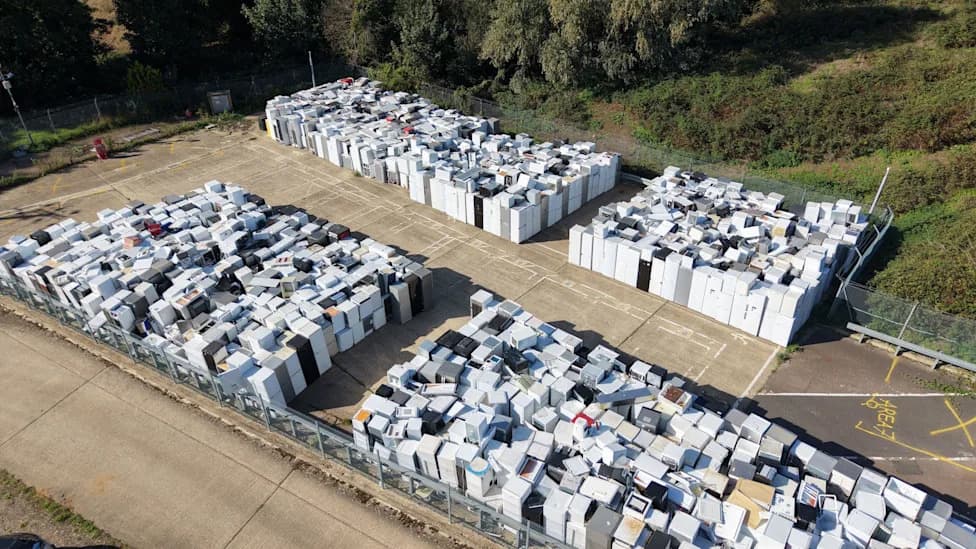
The Environment Agency has released a watchlist of 117 high-priority illegal waste sites in England, including 28 "super sites" each holding more than 20,000 tonnes of waste. The largest site is a 281,000-tonne contaminated soil mound near Northwich, Cheshire. Some locations are already being cleared, but the EA says government-funded removals are reserved for exceptional, high-risk cases. The agency will update the list monthly and urges the public to report information while keeping detailed locations limited to protect investigations.
Environment Agency Publishes Watchlist of 117 Illegal Waste Sites, Naming 28 'Super Sites' Holding Tens of Thousands of Tonnes
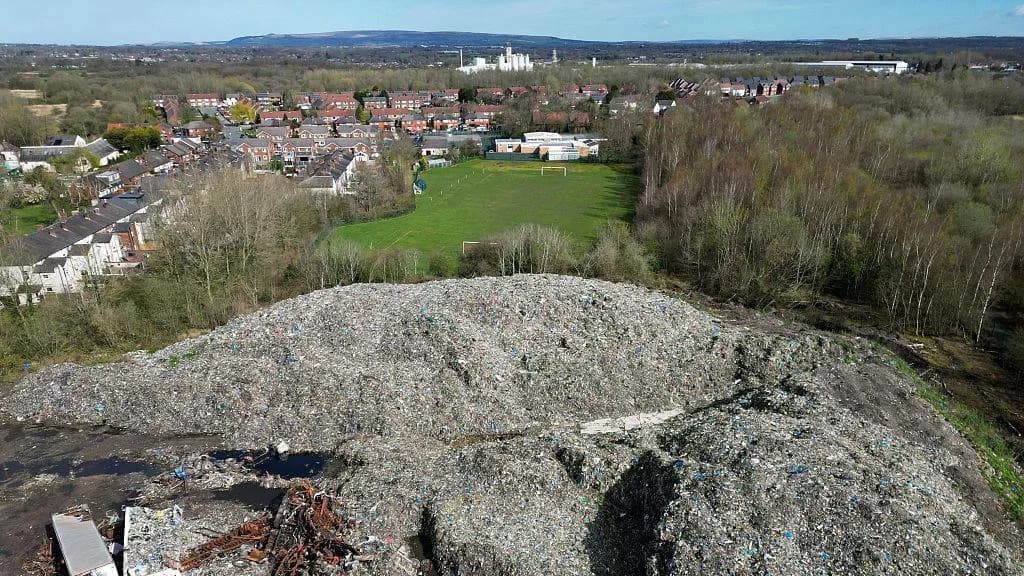
The locations of 117 illegal waste sites have been revealed on a new national watchlist [Getty Images]
The Environment Agency (EA) has published a new watchlist naming 117 high-priority illegal waste sites across England, including 28 so-called "super sites" each estimated to contain more than 20,000 tonnes of waste.
The single largest site on the list is a 281,000-tonne mound of contaminated soil near Northwich, Cheshire, one of 11 very large sites first identified in a BBC investigation earlier this year. The EA estimates there are around 700 illegal waste sites nationwide, but says the watchlist highlights those of highest priority so local communities can see where action is being focused.
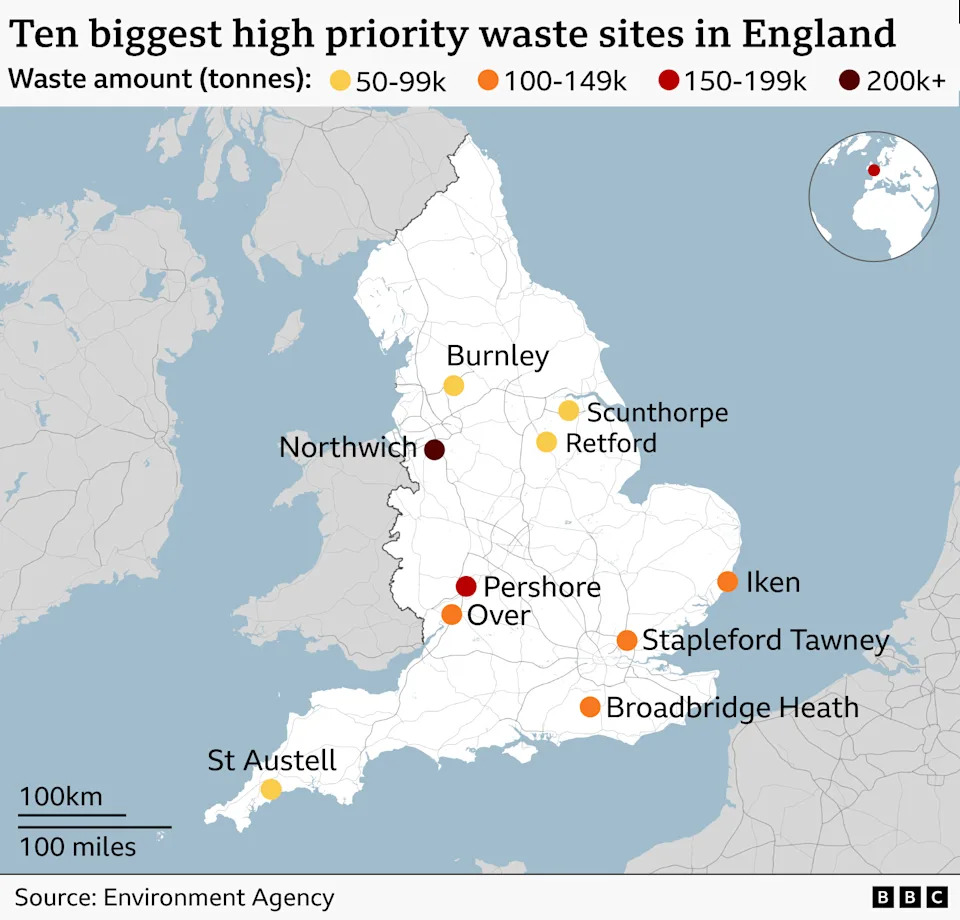
[BBC]
Which Sites Are Included
The watchlist includes sites currently being cleared by the EA, such as Hoads Wood in Kent and a site at Kidlington in Oxfordshire. Large tips in Wigan and Sheffield—together holding nearly 40,000 tonnes of material—are also named and have been earmarked for possible taxpayer-funded clearance under the government’s waste crime action plan.
Funding, Priorities and Enforcement
The EA emphasises it is not routinely funded to clear most illegal sites and intervenes only in exceptional circumstances. Sites selected for government-funded clean-up so far were chosen against specific criteria, notably where there is a serious environmental risk and a clear impact on the local community—a decision directed by government priorities.
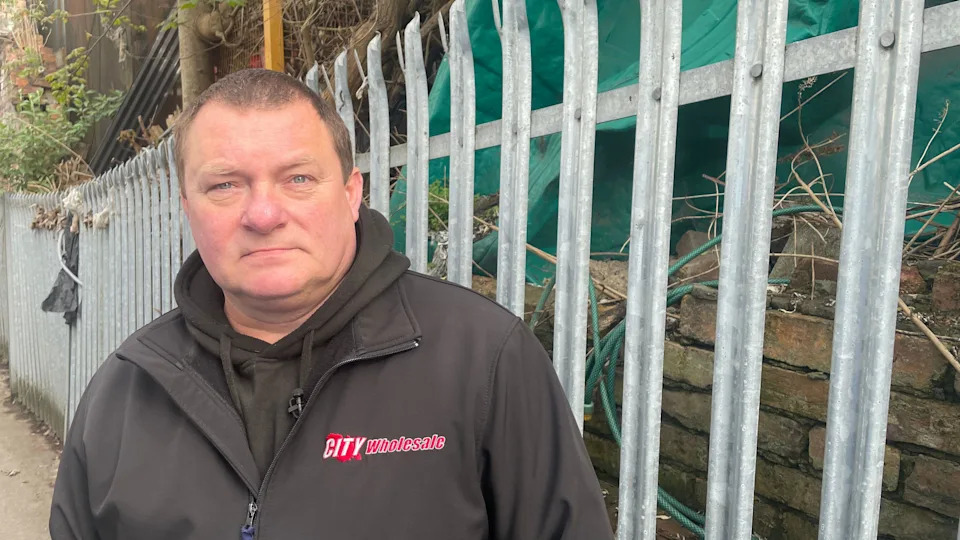
Sheffield business owner Geoff Howarth said the new watchlist gave him "no more faith" that action would be taken [Malcolm Prior/BBC]
Philip Duffy, EA Chief Executive: "Waste crime is a serious blight on both local communities and the environment. Publishing this watchlist is a deliberate act of transparency—communities need to know that we are acting, and we want those committing these crimes to know that we are coming for them."
Local Reaction and Next Steps
Local business owners have expressed frustration that publication of the list does not guarantee tougher enforcement. Geoff Howarth, who owns a business beside the Sheffield site, said the watchlist "gave me no more faith" that action would follow and urged the EA to do more to stop repeat offending. He also argued that public money should be used to clean sites only when the land is owned by offenders and can be seized and sold to recoup costs.
The identified sites contain a wide range of materials, including household rubbish, construction waste, asbestos, tyres and contaminated soils. Some are unauthorised tips operating without the correct permits, while others are privately owned rural land used as dumping grounds.
The EA has asked the public to report concerns or information about the named sites and plans to update the watchlist monthly as part of ongoing monitoring. To avoid prejudicing live investigations and future enforcement, the agency says the publicly released information will remain limited to broad locations and the general nature of the sites.
How You Can Help
If you have information about any of the sites on the watchlist, the EA encourages you to come forward. The agency says it is "using every tool at our disposal to find those responsible" and is seeking public assistance in bringing offenders to justice.
Help us improve.