President Trump’s approval sits near 38 percent and prediction markets now treat Senate control as a toss-up, narrowing Republicans’ once-large advantage. Democrats need a net gain of four seats and are competitive in North Carolina, Maine, Texas, Alaska and Ohio, according to recent polling averages. Still, low overall Democratic favorability and vulnerable nominees in some states mean the path is uncertain. Candidate quality, primaries and turnout will decide whether Democrats can turn this opening into victory.
Democrats Move From Long Shot To Real Contenders For Senate Control In 2026
One year ago, control of the U.S. Senate in 2026 looked largely settled in Republicans' favor. Unlike the House — where Democrats were widely expected to gain — the Senate map felt inhospitable to Democratic prospects. But shifting political dynamics have put the upper chamber squarely in play for Democrats.
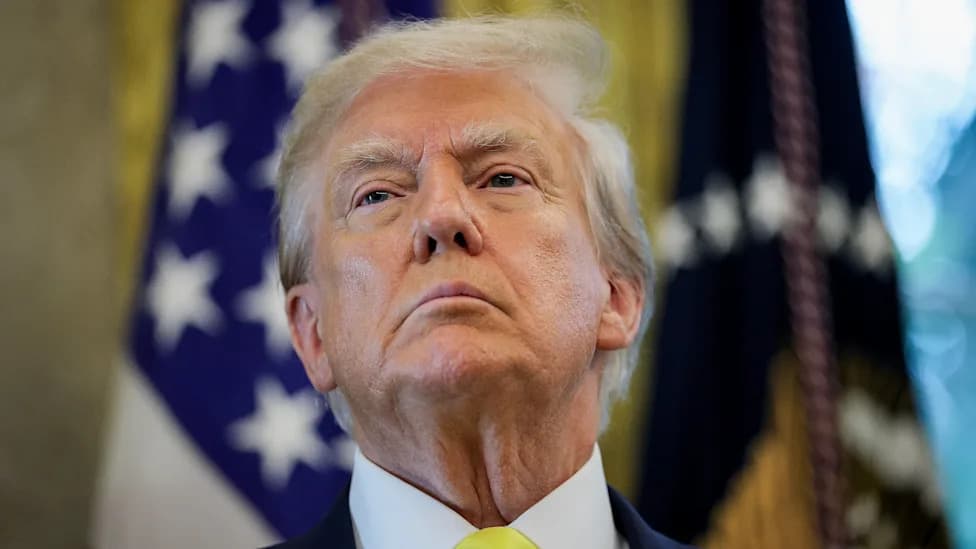
President Donald Trump’s approval rating sits at roughly 38 percent, a historically low level. As New York Times chief political analyst Nate Cohn has observed, that figure is lower than Mr. Trump’s standing in 2018 — the last midterm that produced a Democratic wave — and trails comparable approval positions held by Presidents Clinton and Obama in years that produced big midterm losses for the president’s party.
Polling And Market Signals
Prediction markets have reflected the change in expectations: markets that a year ago gave Republicans about a 70 percent chance to retain the Senate now show the contest much closer to a coin flip. That shift has sharpened Democratic hopes, but a sweeping "blue wave" is far from assured.
To win the Senate, Democrats need a net gain of four seats — including pickups in some states Mr. Trump carried — while also defending competitive Democratic-held seats in states he won, such as Michigan and Georgia.
Where Democrats See Opportunity
Several formerly safe or Republican-leaning seats now look competitive for Democrats:
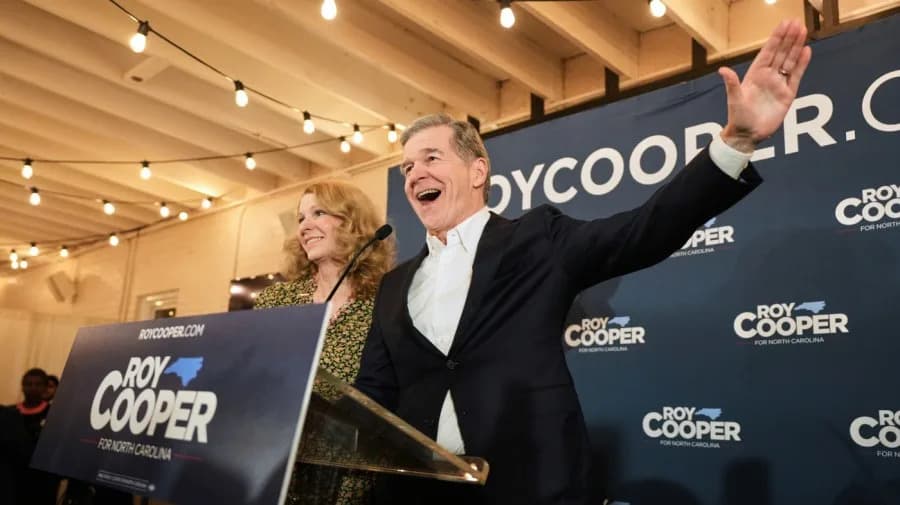
North Carolina: Former Gov. Roy Cooper leads Republican Michael Whatley by about seven points in the RealClearPolitics polling average. Cooper’s edge among independents is wider — roughly 16 points in a Quantus Insights survey — giving Democrats an opening in a state Mr. Trump carried by three points in 2024.
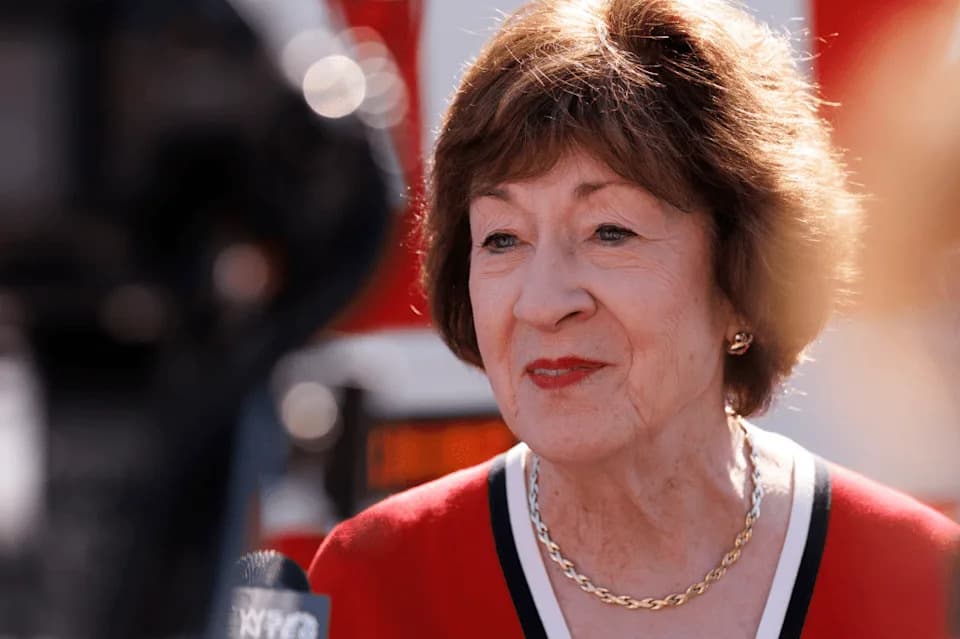
Maine: Progressive candidate Graham Platner (D), despite controversies including provocative remarks and a highly publicized tattoo scandal, leads incumbent Sen. Susan Collins (R) by roughly seven points in the RealClearPolitics average. Platner’s anti-establishment appeal poses a serious challenge to Collins, who has survived prior Democratic surges.
Ohio: In a state Mr. Trump won by double digits in 2024, polling shows incumbent Sen. Jon Husted (R) holding a narrow lead — about three points — over former Sen. Sherrod Brown (D) in the RealClearPolitics aggregate. Cook Political Report currently rates the race a toss-up.
Texas: No Democrat has won statewide office in Texas since 1994, yet the state’s U.S. Senate contest looks more competitive than in past cycles. State Rep. James Talarico (D) benefits from demographic trends that have made Hispanic turnout more favorable to Democrats, according to reporting in the New York Times. Meanwhile, a bruising GOP primary and a runoff between Sen. John Cornyn and AG Ken Paxton has left both Republicans polling slightly behind hypothetical matchups with Talarico.
Alaska: Polling is limited but suggests Rep. Mary Peltola (D) holds an advantage over incumbent Sen. Dan Sullivan (R) in some New York Times polling, positioning her as a potential Democratic pickup in a reliably Republican state.
Headwinds And Races To Watch
Despite these opportunities, Democrats face notable challenges. Party favorability remains weak — roughly 39 percent in Pew Research polling — and Democrats still struggle to articulate a unified, positive governing message beyond opposition to Mr. Trump.
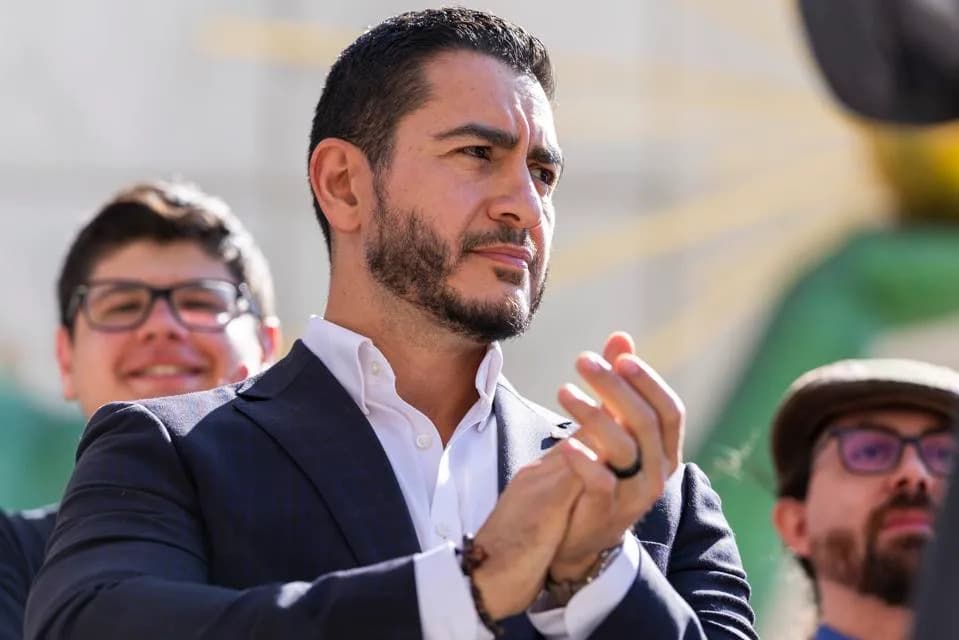
Republicans are also targeting Democratic seats in Georgia and Michigan. In Georgia, Sen. Jon Ossoff (D) holds about a seven-point lead over likely GOP challenger Mike Collins in Echelon Insights polling, though margins could tighten once the Republican nominee is settled. Michigan may be the GOP’s best pickup opportunity: progressive Abdul El-Sayed leads in some Democratic primary surveys, but general-election polling suggests he may be vulnerable to Republican Mike Rogers, while other Democratic options such as Haley Stevens and Mallory McMorrow poll more competitively against Rogers.
Bottom Line
The fact that any — much less several — of these states are plausibly competitive is striking and signals voter frustration with Republicans in parts of the electorate. Candidate quality, campaign dynamics and turnout will determine whether Democrats can convert this opening into a net gain of four seats.
About the Authors: Douglas E. Schoen and Carly Cooperman are pollsters and partners at Schoen Cooperman Research, a public-opinion firm based in New York. They are co-authors of the book "America: Unite or Die."
Copyright 2026 Nexstar Media, Inc. All rights reserved. This material may not be published, broadcast, rewritten, or redistributed. For the latest news, weather, sports and streaming video, visit The Hill.
Help us improve.