The Congressional Budget Office estimates President Trump’s "Golden Dome" missile-defense plan could cost around $1.2 trillion to build and operate over 20 years, with roughly 70% of acquisition costs tied to space-based interceptors. The CBO warns those interceptors will likely take years to develop and that the timeline depends on industrial production capacity. Experts say the Iron Dome comparison is misleading because Golden Dome would need to counter ICBMs; critics warn of strategic risks similar to Reagan’s failed SDI. Congress has already appropriated over $24 billion toward the program.
CBO: Trump’s ‘Golden Dome’ Could Cost $1.2 Trillion Over 20 Years — Major Technical, Strategic Risks

Trump's 'Golden Dome' Estimated To Cost $1.2 Trillion, New Report Reveals
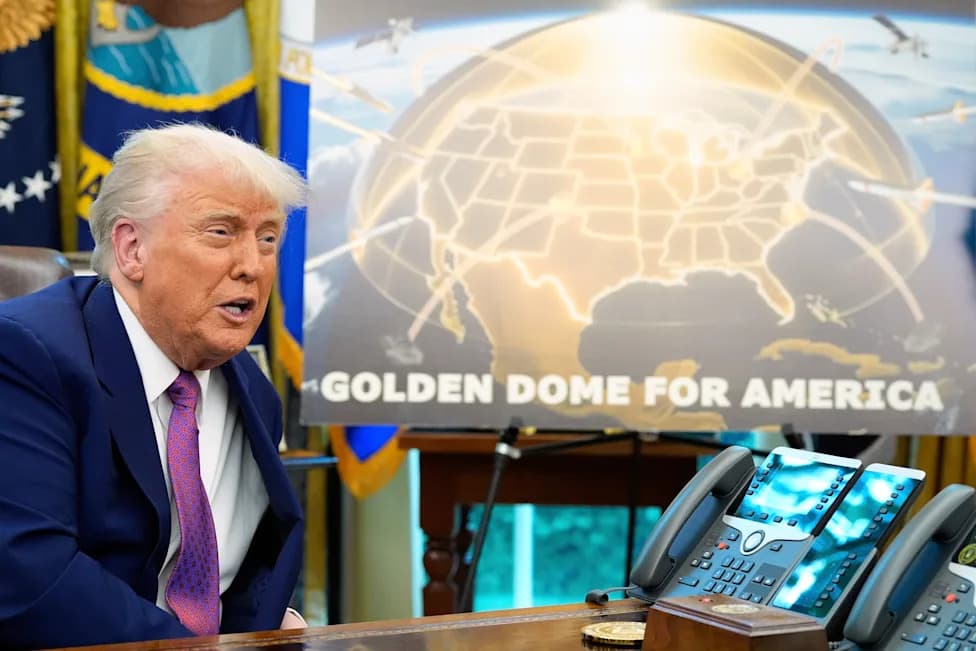
The Congressional Budget Office (CBO) estimates that President Donald Trump’s proposed “Golden Dome” national missile-defense system could cost roughly $1.2 trillion to build and operate over 20 years. The agency based its analysis on the 2025 executive order directing the Defense Department to develop plans for a combined ground- and space-based system to detect and intercept missile threats.
Key Cost Drivers and Timeline Uncertainty
The CBO projects acquisition costs of just over $1 trillion, and it finds that about 70% of those acquisition expenses would stem from the proposed space-based interceptor layer. By contrast, the administration previously estimated a $175 billion price tag and suggested the system could be "fully operational" by the end of the president’s term — a timeline many experts call unrealistic.
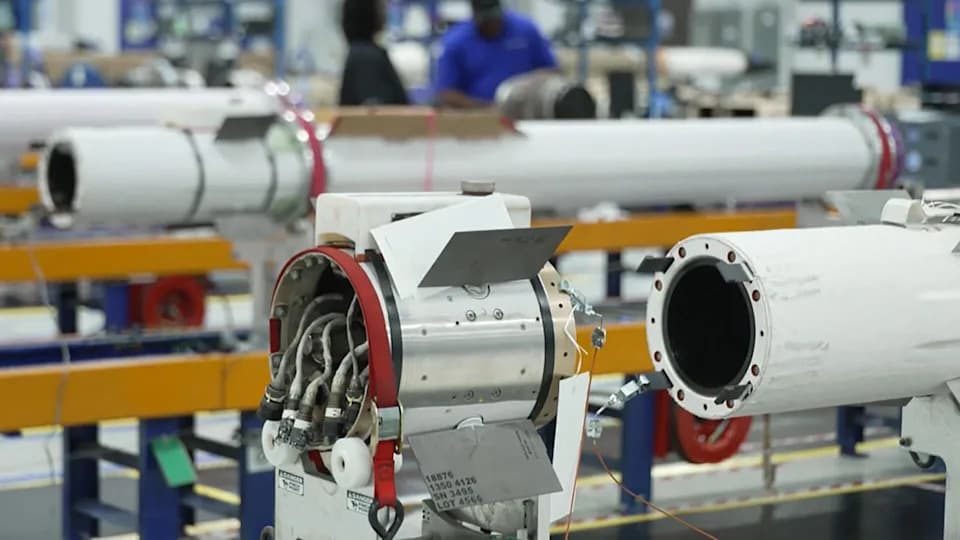
The report does not provide a firm completion date. It warns that space-based interceptors "will probably take at least several years to develop" and that the program’s timeline depends heavily on the defense industrial base’s capacity to produce sufficient interceptors and radar systems — especially given that some relevant systems have been heavily consumed or destroyed in recent conflicts in the Middle East.
Technical And Strategic Concerns
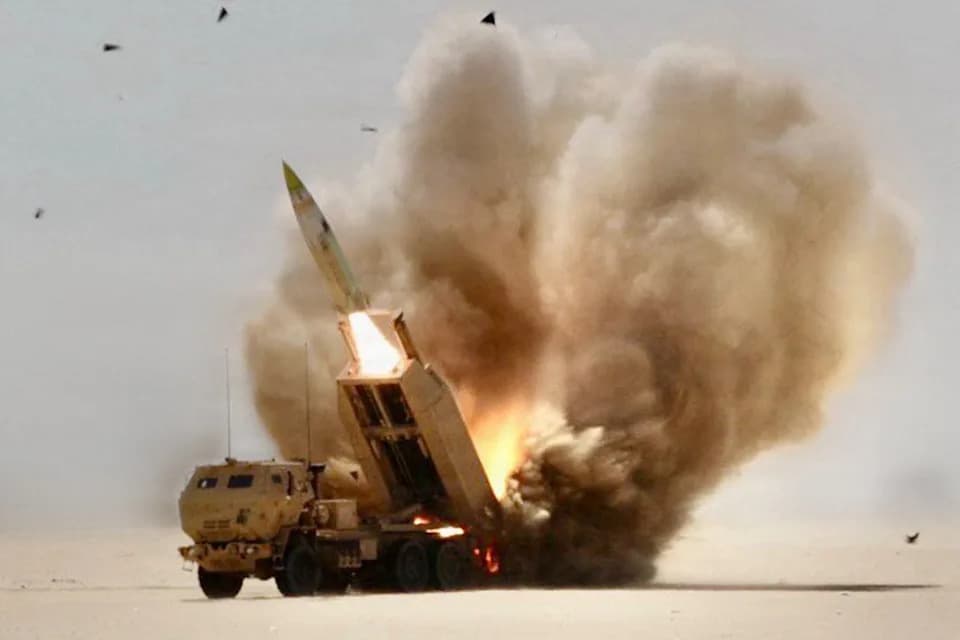
Supporters have compared Golden Dome to Israel’s Iron Dome, but experts caution the analogy is limited. The United States would be seeking to counter intercontinental ballistic missiles (ICBMs), a far more demanding challenge than the short-range rockets Iron Dome is designed to defeat.
William Hartung, senior research fellow at the Quincy Institute for Responsible Statecraft, told Responsible Statecraft: "Israel's Iron Dome would be of no use against an incoming intercontinental ballistic missile." He added that "long-range interceptors have failed many tests, and those tests were considerably less rigorous than an actual attack would be."
Designers would also face the task of defending the entire continental United States, Alaska, and Hawaii — an area far larger than that covered by Israel’s defenses. Long-range interceptor technology has a mixed test record, and scaling such systems to a national layer creates additional technical and logistical burdens.
Historical Parallels And Geopolitical Risks
Critics have drawn parallels between Golden Dome and President Ronald Reagan’s Strategic Defense Initiative (SDI or "Star Wars"), which proved technologically unworkable and was wound down after about a decade and roughly $30 billion in spending. In June 2025, Senator Jeff Merkley (D–Ore.) cited SDI’s failures in a letter to the CBO director and asked the agency to analyze Golden Dome’s costs, warning that "the risks of repeating history are real."
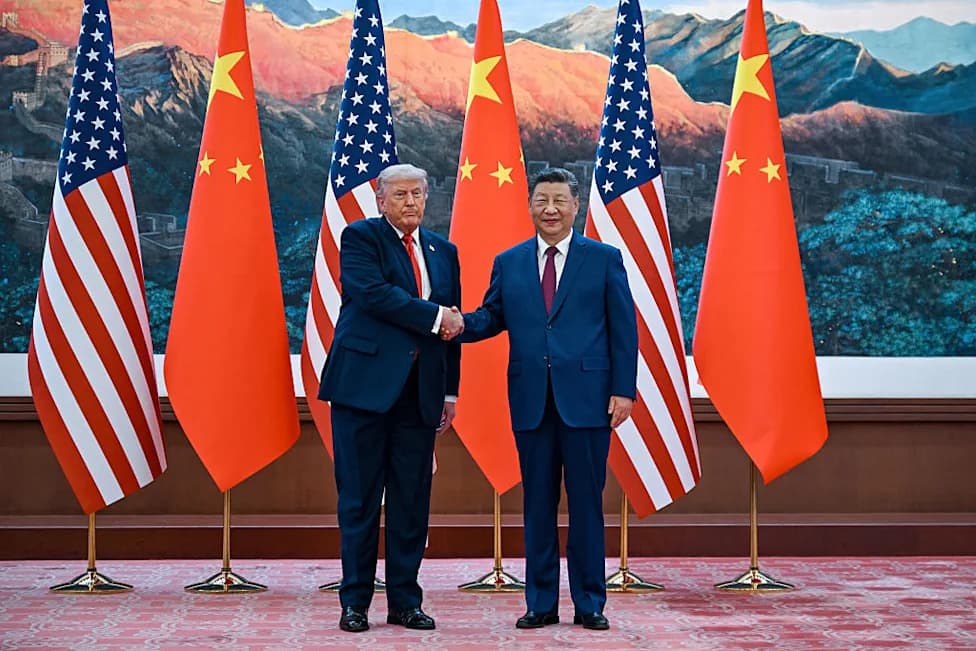
Commentators and some foreign governments warn the program could destabilize strategic balances. Reason writer Matthew Petti argued that the Cold War-era logic of mutually assured destruction (MAD) has helped prevent major nuclear conflict, and that an effective national shield could be viewed as an escalation. Russia and China issued a joint statement in May warning that Golden Dome could undermine global stability and spur a regional or global arms race.
Political And Funding Context
Despite uncertainties and strategic concerns, the project has political momentum: proponents argue that a robust Pentagon budget is necessary for U.S. security, and Congress has already taken steps to fund elements of the program. Last summer, lawmakers appropriated more than $24 billion for Golden Dome through the One Big Beautiful Bill Act.
The CBO’s assessment underscores large cost uncertainties, long development timelines—especially for space-based interceptors—and significant industrial and strategic challenges. Any decision to move forward would involve trade-offs among cost, technical feasibility, strategic stability, and geopolitical risk.
Source: CBO analysis based on Trump’s 2025 executive order; reporting and commentary from Responsible Statecraft and Reason.
Help us improve.