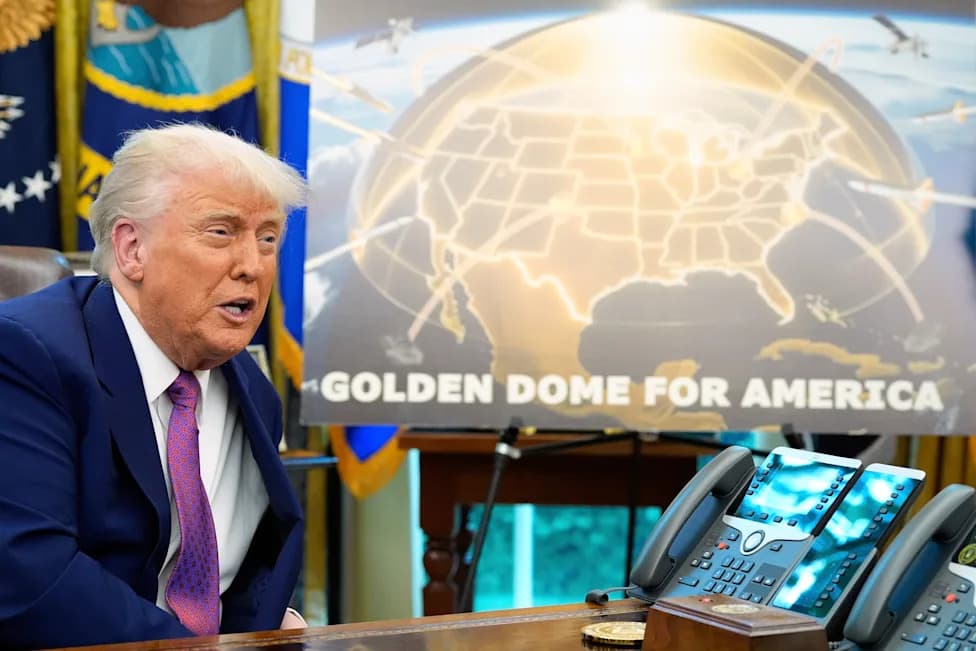
The U.S. Golden Dome missile-defense initiative has refocused on a space-based architecture, with major satellite contracts awarded to SpaceX, L3Harris and Sierra Space. Key awards include a $4.16 billion SB-AMTI contract to SpaceX (May 2026) and up to $1.75 billion in SDA contracts (July 2026) for 36 Tranche 3 satellites slated for deployment by the end of 2028. Pentagon officials estimate about $185 billion to deploy over ten years, while the CBO estimates roughly $1.2 trillion over 20 years; lawmakers continue to press for clearer budget details.
Billions Flow Into 'Golden Dome' Space-Based Missile Defense — Final Price Still Unclear
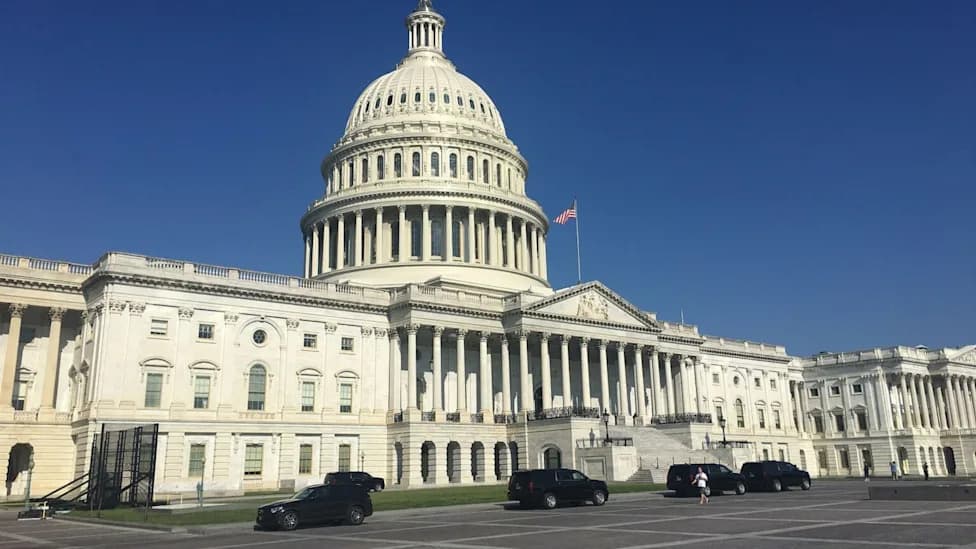
United States Capitol building from the east side (front) | Image Credit: EEBS27, Wikimedia Commons
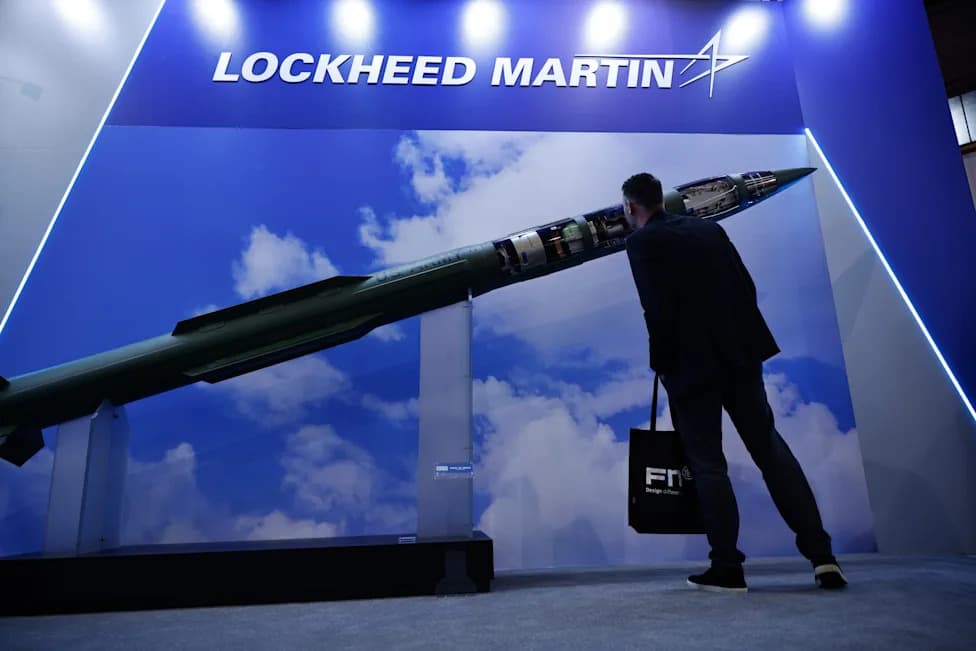
The U.S. Golden Dome missile-defense effort has shifted from a broad, conceptual plan to a space-centered architecture backed by large satellite contracts to support sensing, tracking and intercept functions. Major contractors including SpaceX, L3Harris Technologies and Sierra Space have won roles as the Pentagon accelerates procurement and development.
Key Contracts and Timeline
In May 2026, SpaceX received a $4.16 billion award for the Space-Based Airborne Moving Target Indicator program (SB-AMTI), a capability intended to provide global, space-based tracking of airborne threats. Officials stress that SB-AMTI is a component of the broader space-based sensing and targeting architecture—not a standalone "Golden Dome" contract.
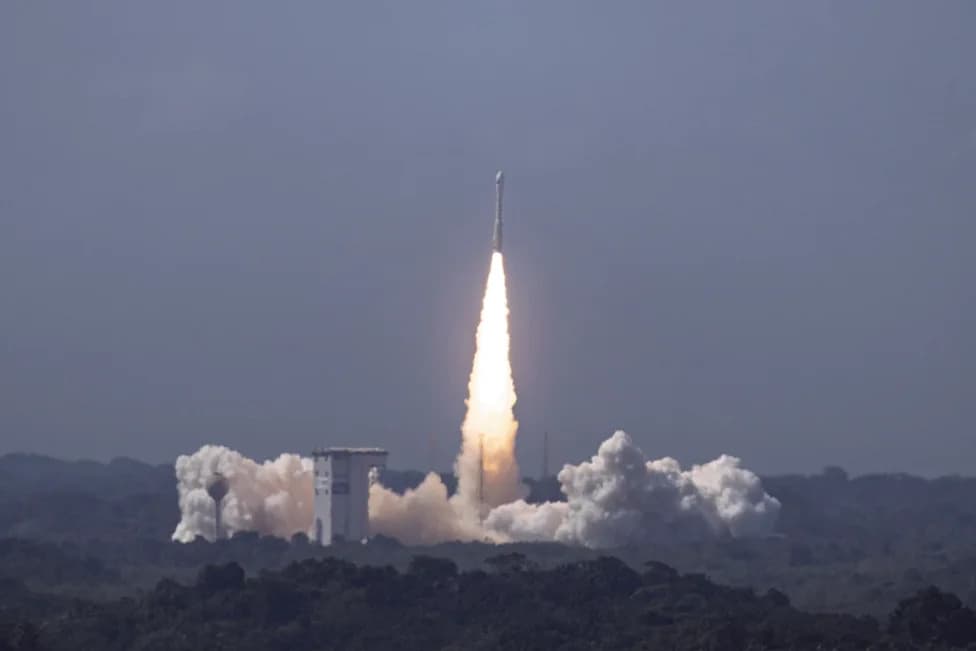
In July 2026 the U.S. Space Development Agency awarded contracts to L3Harris Technologies and Sierra Space with a combined potential value of $1.75 billion to build 36 Accelerated Missile Defense Tranche 3 satellites. The tranche calls for 18 missile-warning and missile-tracking platforms and 18 missile-defense satellites, with deployments planned by the end of 2028.
Costs, Estimates and Oversight Questions
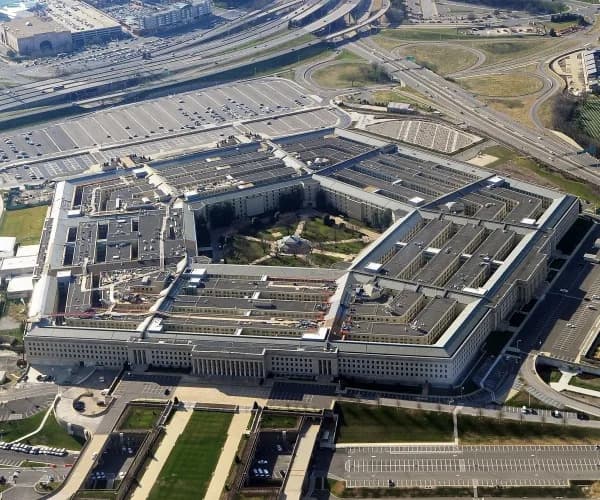
Spending on Golden Dome has picked up while tensions remain between the Pentagon and Congress over total program cost, funding pathways and transparency. Golden Dome's program manager, Gen. Michael Guetlein, has put the Pentagon's deployment estimate at roughly $185 billion over the next decade (up from an earlier $175 billion estimate).
The Congressional Budget Office, using a broader 20-year modeling approach tied to components of President Trump's 'Iron Dome for America' executive order, estimated costs at about $1.2 trillion and warned that even such a system would not be an impenetrable shield against a large-scale attack.
The CBO also said the Pentagon has not publicly released a fully detailed architecture for Golden Dome, forcing the agency to base its projections on the executive order's outlines rather than a Pentagon blueprint. Gen. Guetlein has disputed the CBO assumptions, saying they do not reflect the full scope of Pentagon plans.
Funding and Congressional Scrutiny
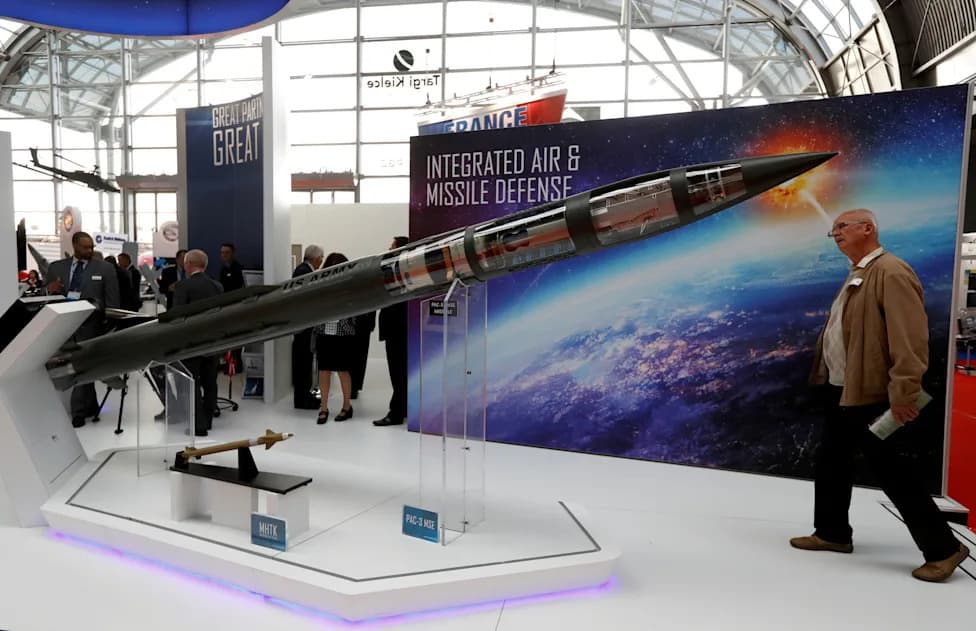
Congress has already tied money to the initiative: the 2025 budget reconciliation law included $24.4 billion for enhanced integrated air and missile defense, and committee reporting linked that sum to Golden Dome. Gen. Guetlein later said the Golden Dome office received $22.5 billion of that allocation and, as of August 2026, had obligated about 90% of those funds. The Pentagon requested roughly $17.5 billion for a Golden Dome of America Fund in its fiscal 2027 budget submission.
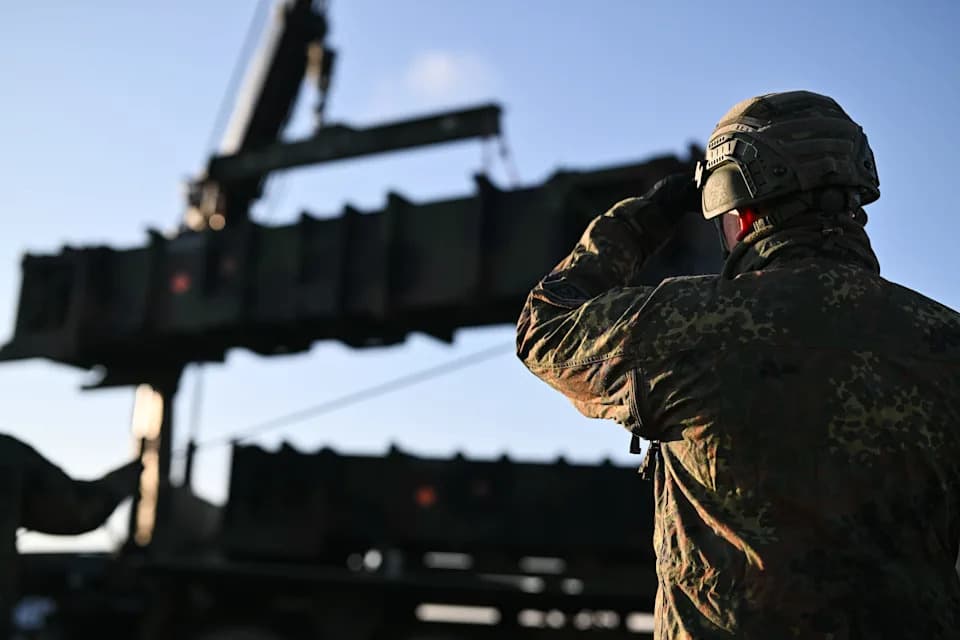
Lawmakers continue to press for greater budget detail and oversight as the Pentagon moves ahead with procurement and launches. Observers say the trajectory toward space-based sensing could accelerate capabilities but also raises questions about sustainability, cost assumptions and how the program will be governed over decades.
Why It Matters
The Golden Dome effort represents a major shift toward space-based missile-defense architecture and large-scale investment in satellite sensors and intercept capabilities. The differing cost estimates and limited public detail about the system's final architecture complicate Congressional oversight and public evaluation of whether the program delivers value for its price tag.
Help us improve.