The Pentagon told Congress that U.S. spending on the Iran conflict has reached at least $45.1 billion through early September, a total that excludes repair costs for overseas bases. The CBO previously estimated about $38 billion through Aug. 1 and warned that missile-interceptor inventories are depleted and could take years to rebuild. The Defense Department projects $2–3 billion in monthly costs going forward and flagged a possible inflationary impact in Q1 2027. Senate Democrats have demanded a detailed, itemized cost breakdown from Defense Secretary Pete Hegseth.
Pentagon Says Iran Conflict Has Cost US At Least $45.1 Billion, Senators Demand Full Cost Breakdown

The Iran war has cost the United States at least $45.1 billion, officials at Defense Secretary Pete Hegseth's Pentagon said. The amount covers the conflict through early September. File Photo by Annabelle Gordon/UPI
The Pentagon informed Congress that U.S. spending on the conflict with Iran has reached at least $45.1 billion through early September, military officials told lawmakers.
This figure, disclosed in a report to Congress, is larger than prior public estimates and does not include costs related to repairing damaged bases and other U.S. military facilities overseas.
Budget Estimates and Projections
Two days earlier, the Congressional Budget Office (CBO) estimated the conflict had cost roughly $38 billion through Aug. 1. The Department of Defense now projects that monthly costs could run between $2 billion and $3 billion going forward.
Operational Impact
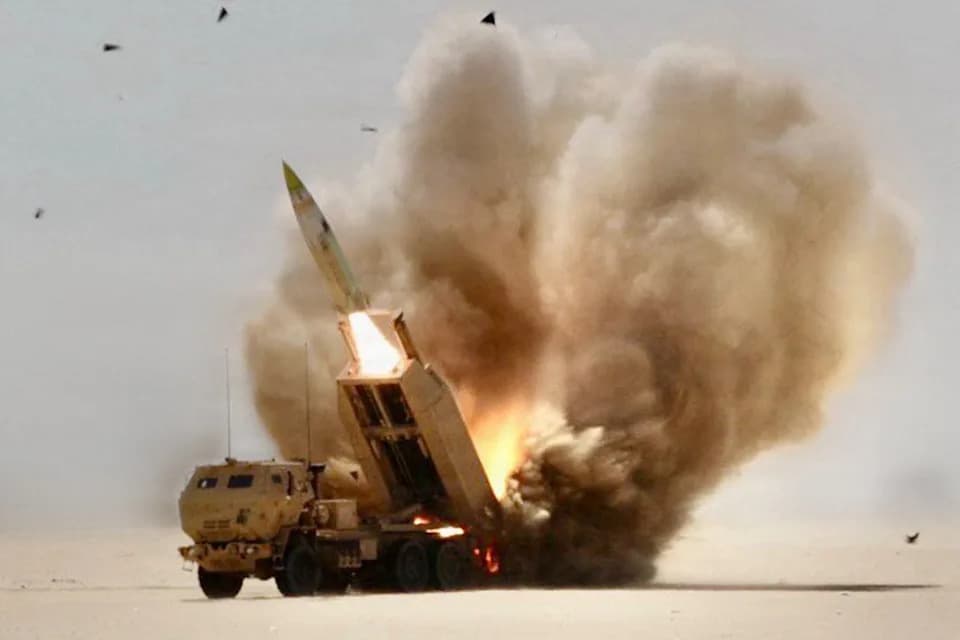
The CBO also warned that the conflict has left U.S. inventories of missile interceptors reduced, a shortfall that could take years to replenish. In its report to Congress, the Pentagon additionally estimated the war could put upward pressure on inflation in the first quarter of 2027.
Congressional Response
On Thursday, Senate Democrats sent an open letter to Defense Secretary Pete Hegseth requesting a detailed, itemized breakdown of war-related expenditures.
"Despite asking for tens of billions of additional taxpayer dollars, you have so far failed to provide basic information on how this money has and will be spent," the senators wrote. "Congress must have access to this information to carry out our oversight responsibilities. It is the bare minimum that any American would expect in balancing their own household budget."
The letter was signed by all Senate Democrats except Sen. John Fetterman (D-Pa.), who supports the conflict and has recently clashed with the Democratic caucus. The senators also estimated that American consumers have already paid roughly $100 billion in higher gasoline and diesel prices, plus at least $60 billion in added costs for groceries, mortgages and airfare tied to the conflict.
Context and Oversight
Senators urged the Defense Department to provide transparent, detailed accounting so Congress can fulfill its oversight role. The letter questioned new funding requests without a clear, public accounting of past and projected spending.
Note: Figures are based on Pentagon notifications to Congress and CBO estimates through early September and Aug. 1, respectively.
Help us improve.