Golden Dome aims to protect the United States from a wide range of missile threats, but its sensors, launchers, communications and command nodes are attractive targets. Israel’s combat experience since October 2023 shows adversaries use drones, loitering munitions and missiles to disable those systems first. High‑energy lasers, combined with autonomous interceptors and electronic warfare, can form a layered "defend the defender" capability. Congress should create a dedicated effort inside Golden Dome, fund U.S.‑Israel operational learning, and require dedicated local defenses for every missile‑defense battery.
Defending the Defenders: What Golden Dome Must Learn From Israel
AP
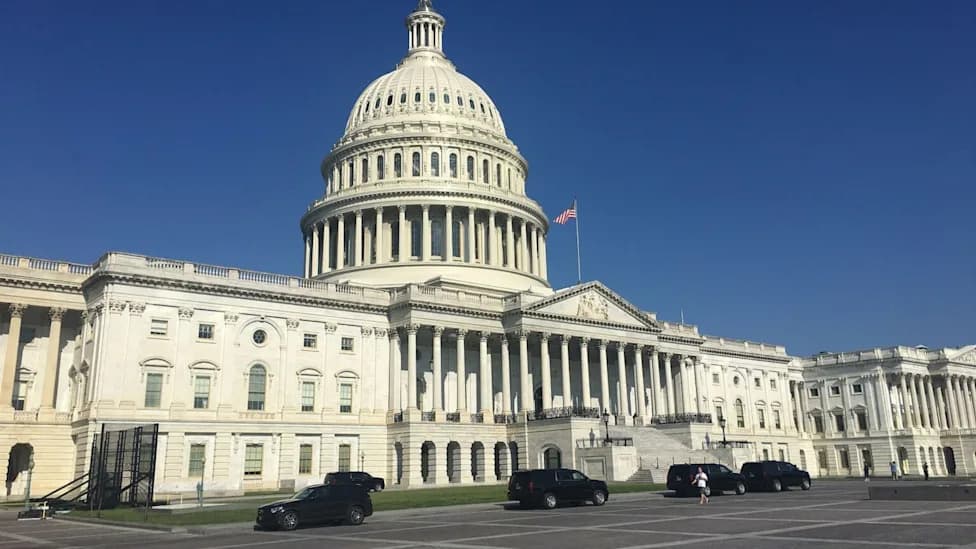
The United States is building what could become the most ambitious missile‑defense architecture in history. Branded "Golden Dome," the effort aims to shield the homeland from ballistic missiles, hypersonic weapons, cruise missiles and other advanced aerial threats. Yet the concept has a critical vulnerability: missile‑defense systems themselves are high‑value targets.
Golden Dome’s effectiveness will depend on whether its sensors, launchers, communications links and command nodes remain functional long enough to detect, track and defeat incoming threats. Before the U.S. can claim to defend the homeland, it must learn how to defend the systems that do the defending.
Lessons From Israel’s Combat Experience
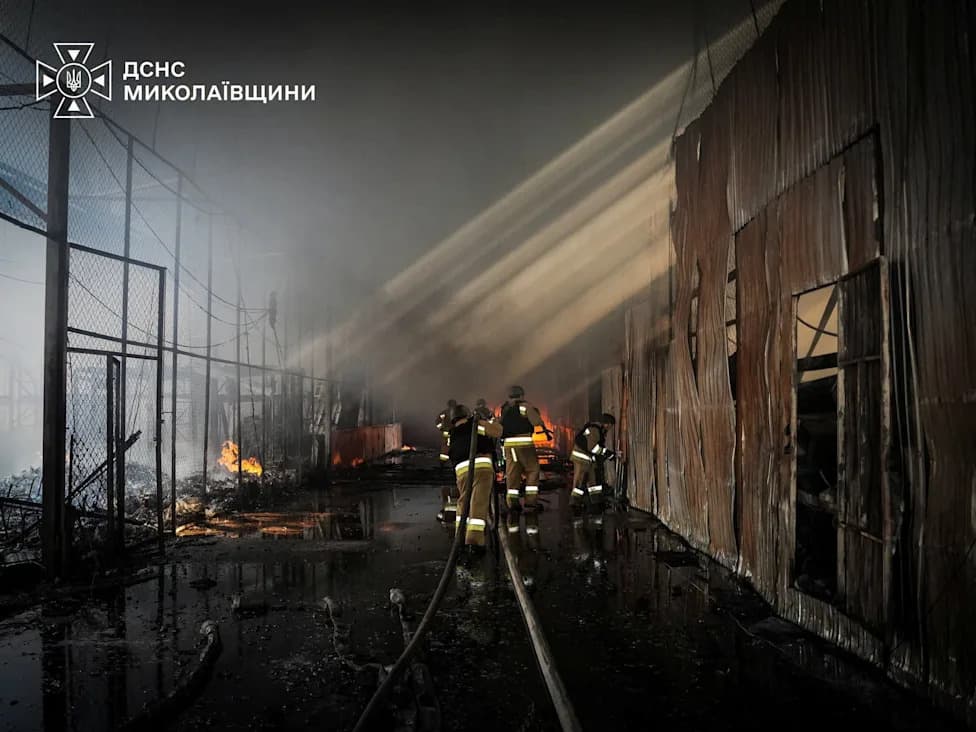
Israel has confronted this problem in combat. For years, Iran and its proxies have sought to blind, confuse and disable Israel’s air defenses. Adversaries routinely employ coordinated strike packages — combining drones, loitering munitions, rockets, cruise missiles and ballistic missiles — designed to find and hit radars, launchers, communications networks and command centers that enable layered defense.
A missile‑defense battery without functioning radar ceases to be a missile‑defense battery. A command center that cannot communicate cannot coordinate intercepts.
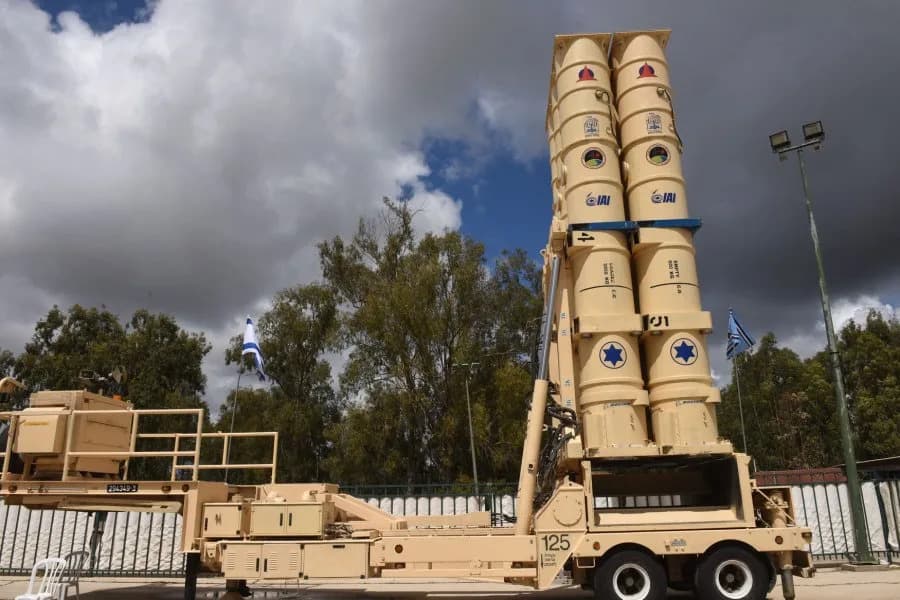
Recent incidents underscore the danger. Unidentified drones were seen circling the German Arrow‑3 radar site shortly before it became operational. Hezbollah released footage of an FPV drone striking an Iron Dome launcher. These episodes show how inexpensive unmanned aircraft can threaten assets that cost hundreds of millions of dollars. The risk is real and global — not limited to the Middle East.
Technology And Tactics To Protect The Protectors
Israel’s hard‑won operational experience shows the solution is often not simply fielding another interceptor. Directed‑energy weapons — high‑energy lasers in particular — change the economics of protection: a strategic radar may cost hundreds of millions, while the drone that threatens it may cost only thousands. Lasers offer near‑zero marginal cost per engagement, effectively deep magazines, and speed‑of‑light response, making them well suited to protect fixed radar sites, battle‑management centers and other strategic nodes.
Israel’s Iron Beam program demonstrates how directed‑energy systems can form a persistent protective layer around high‑value assets. Paired with autonomous interceptor drones and electronic‑warfare systems, lasers become part of a layered defensive envelope that preserves sensors, launchers, communications nodes and command centers so interceptors can do their jobs.
Policy Recommendations
To bake these lessons into Golden Dome, Congress should:
- Establish a dedicated "Defending the Defender" line of effort within Golden Dome and use the National Defense Authorization Act to require a formal strategy for protecting missile‑defense sensors, launchers and command nodes.
- Fund a U.S.‑Israel operational learning and demonstration program to transfer combat‑tested tactics, techniques and procedures that cannot be replicated in laboratories or war games.
- Mandate that every current and future missile‑defense battery — Patriot, THAAD and Golden Dome elements alike — include dedicated local defensive systems (directed energy, autonomous interceptors, EW) to protect the battery’s own sensors and command nodes.
The gravest danger to Golden Dome may not be the single missile it fails to intercept but the cheap drone or loitering munition that blinds the system before any intercept can be attempted. Israel has learned that lesson under combat conditions for years. As the United States builds Golden Dome, it should integrate those lessons from the outset so missile defense depends as much on protecting the defenders as on the interceptors themselves.
Ari Sacher is a senior policy advisor at the U.S. Israel Education Association and has worked for more than thirty years as a rocket scientist in Israel.
Help us improve.