HHS officials reportedly explored whether certain commonly used SSRIs could be restricted, though the department denied any talks about banning the drugs. Health Secretary Robert F. Kennedy Jr. announced measures to reduce SSRI use that focus on reimbursed tapering support, data transparency and provider training. Experts caution that SSRIs remain evidence-based first-line treatments and that restricting access without strong new evidence could harm patients.
HHS Officials Reportedly Examined Limits On Common SSRIs As Kennedy Unveils Plan To Reduce Use
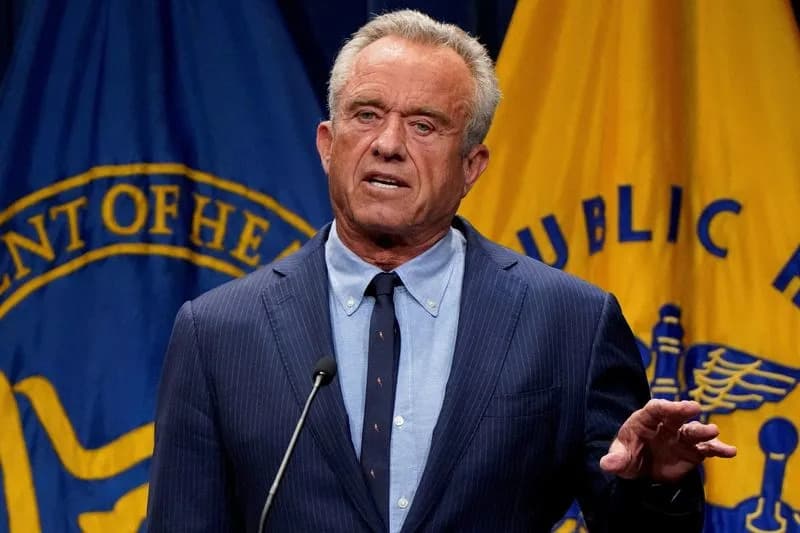
FILE PHOTO: U.S. Health and Human Services (HHS) Secretary Robert F. Kennedy, Jr. discusses the findings of the Centers for Disease Control and Prevention’s (CDC) latest Autism and Developmental Disabilities Monitoring (ADDM) Network survey, during a press conference at the Department of Health and Human Services in Washington, D.C., U.S., April 16, 2025. REUTERS/Elizabeth Frantz/File Photo
U.S. Health and Human Services (HHS) officials last week explored whether certain medications within the widely prescribed class of selective serotonin reuptake inhibitors (SSRIs) could be restricted, two people familiar with the conversations told Reuters, as Health Secretary Robert F. Kennedy Jr. prepared measures aimed at reducing SSRI use.
HHS Denies Any Plan To Ban SSRIs
HHS pushed back on the characterization. "HHS has not had any discussions about banning SSRIs, and any claims suggesting otherwise are false," agency spokesman Andrew Nixon said. The sources did not identify which specific drugs were under consideration or how far internal inquiries progressed.
Kennedy's Initiatives To Curb Use — But Not Force Stopping
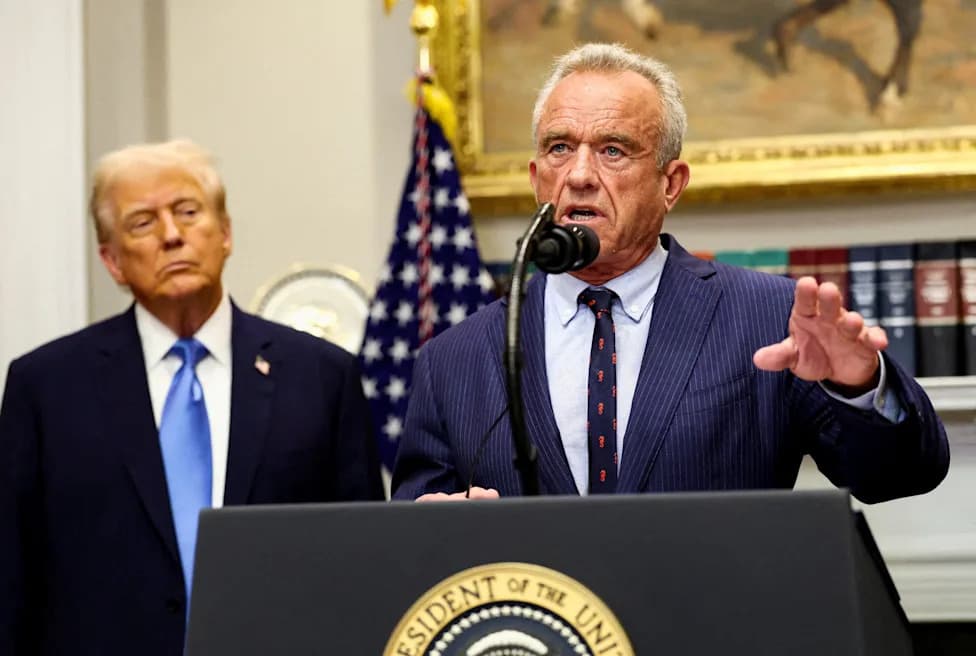
Kennedy announced a package of initiatives intended to reduce SSRI prescribing while reassuring patients who rely on these medicines. The plan includes reimbursement guidance for physicians who support patients through careful tapering, commitments to publish prescribing data, and investments in training for healthcare providers.
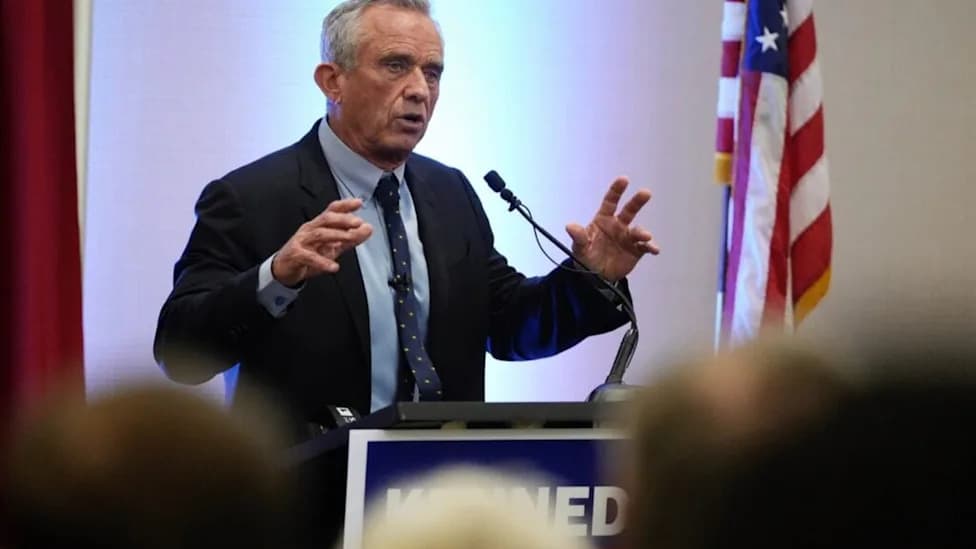
"Psychiatric medications have a role in care, but we will no longer treat them as the default," Kennedy said at a Mental Health and Overmedicalization Summit. He added, "If you are taking psychiatric medication, we are not telling you to stop."
Medical Context And Expert Reactions
SSRIs, including familiar brand names such as Zoloft, Prozac and Lexapro, are the most commonly used class of antidepressants and are widely available as generics. A 2026 BMJ Mental Health study found about one in six U.S. adults reported current use of antidepressant medications. The American Psychiatric Association continues to endorse SSRIs as evidence-based, first-line treatments for major depression and many anxiety disorders.
Experts warn that restricting access without strong, new evidence could harm patients who benefit from these drugs. "There are a lot of prescriptions because there are a lot of folks with illnesses that can respond to these medications," said Dr. J. John Mann of the New York State Psychiatric Institute. Dr. Mark Olfson of Columbia University added that abrupt policy moves that stigmatize or limit access could produce serious public-health consequences.
Regulatory Hurdles And Contested Claims
The U.S. Food and Drug Administration oversees antidepressant approvals. Regulatory experts said the FDA generally cannot unilaterally ban drugs already approved and widely used unless new, compelling evidence shows risks that outweigh benefits or the original approval was based on false information. Such reviews can take months or years. The agency can request a manufacturer withdraw a drug, but a company may refuse — as happened recently in a separate case involving Amgen's Tavneos.
Kennedy and supporters within his "Make America Healthy Again" movement have criticized what they describe as overprescribing of SSRIs, particularly for children, and highlighted withdrawal difficulties some patients experience. Some of Kennedy's past statements — including comparisons of SSRI withdrawal to heroin withdrawal and suggested links between SSRIs and mass violence — lack supporting evidence and have drawn criticism from medical groups.
Side Effects And Safety Warnings
While generally safer than older antidepressant classes, SSRIs can cause side effects such as sexual dysfunction, sleep disturbances, weight changes, dry mouth, headaches and gastrointestinal upset. In 2004 the FDA required a black box warning for many antidepressants because of data suggesting a possible increased risk of suicidality in children and young adults. Clinicians emphasize prescribing thoughtfully and monitoring patients during treatment and tapering.
Reporting in this story includes information from Reuters journalists Yasmeen Abutaleb and Bo Erickson, with additional reporting by Nancy Lapid. Editing noted: Michele Gershberg, Bill Berkrot, Rod Nickel.
Help us improve.