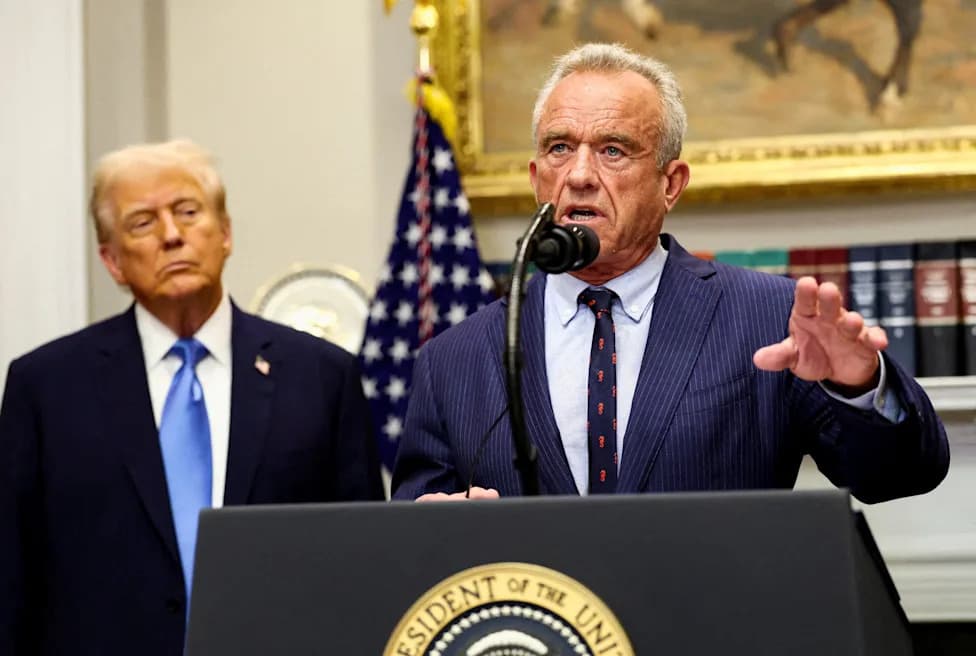
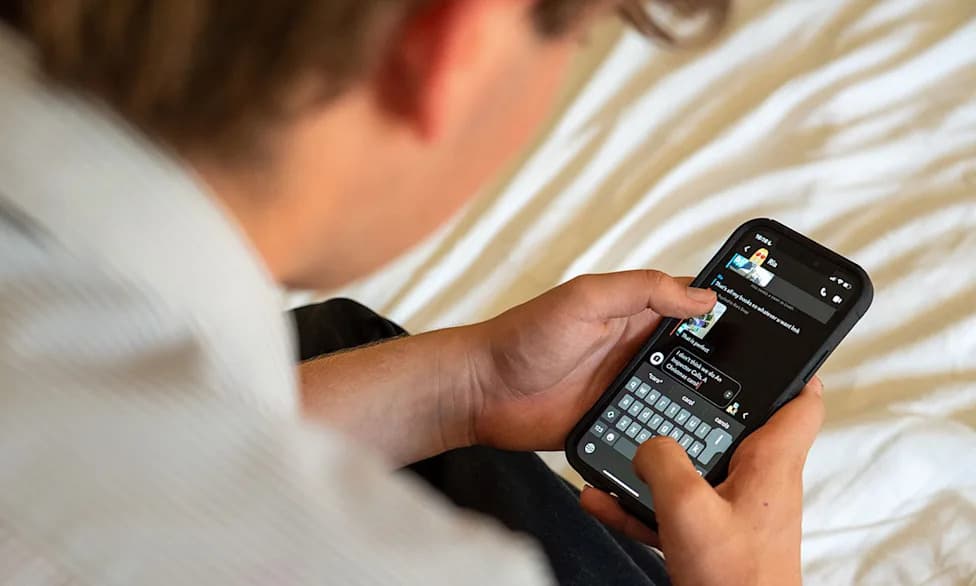
At the HHS Live Real Life Symposium, Health Secretary Robert F. Kennedy Jr. urged tech companies to stop profiting from design choices that keep children "compulsively engaged" with screens. His remarks echoed a May U.S. Surgeon General advisory on the physical, mental and developmental risks of excessive screen use, while HHS estimates adolescents spend seven to nine hours a day on entertainment screens. The symposium highlighted solutions including design changes, stronger parental controls, school policies and resources like the children’s book The Magic Tablet and free CE credits for providers.
RFK Jr. Urges Tech Firms: Don’t Profit From Keeping Kids ‘Compulsively Engaged’ — Calls For Less Screen Time, More Real Life
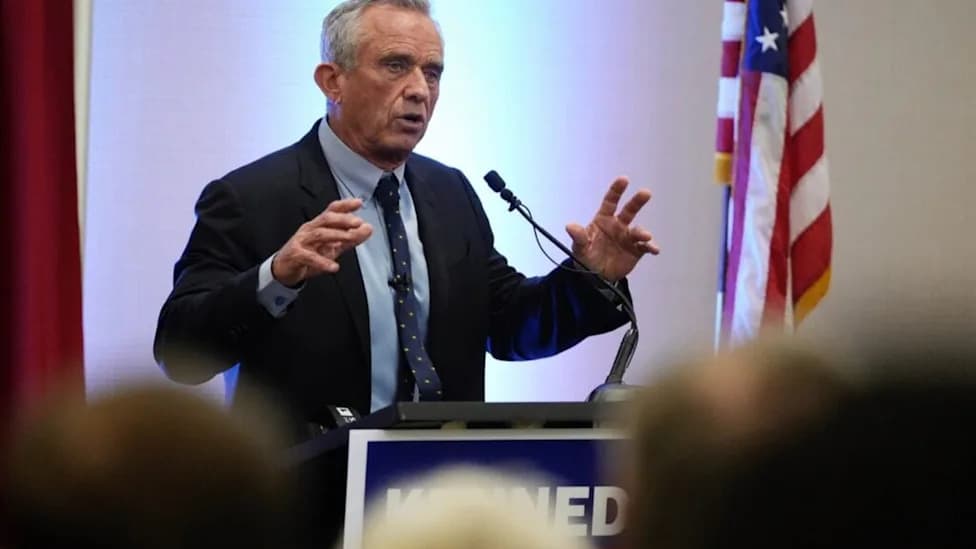
RFK jr (Credit: © Sam Greene/The Enquirer / USA TODAY NETWORK via Imagn)
At the U.S. Department of Health and Human Services’ Live Real Life Symposium in September, Health Secretary Robert F. Kennedy Jr. delivered a direct appeal to technology companies: stop designing products that keep children "compulsively engaged" and monetizing that attention.
"No company should profit from keeping a child compulsively engaged on screen," Kennedy said, adding that some firms have deployed leading engineers to tune algorithms that can "hijack the human brain" and foster addictive behaviors among young people. He urged that technical talent be redirected to protecting children online.
Symposium Focused on Harms and Solutions
The event gathered leaders from technology, medicine, research, education, government and advocacy groups to examine excessive screen use and to identify strategies that support healthier childhood development. Kennedy’s remarks echoed a May advisory from the U.S. Surgeon General warning that excessive or harmful screen use can bring physical, mental, emotional and developmental risks for children and adolescents.
HHS cites estimates that adolescents spend seven to nine hours per day on entertainment screens, with many using devices shortly before bed. The Surgeon General’s guidance highlights behavioral warning signs—irritability when devices are removed, withdrawal from offline activities, and repeated failed attempts to cut screen time—and recommends policy, clinical, educational and product-design changes to reduce harm.
Policy, School and Industry Responses
Indiana Secretary of Education Katie Jenner described her state’s "bell-to-bell" cellphone restrictions and the practical challenges schools face keeping students off social media during instructional time. Panelists also explored how algorithmic recommendation systems and extensive data collection shape children’s online experiences.
Holly Grosshans, senior counsel for tech at Common Sense Media, warned that companies can collect millions of data points on young users that influence what content they see and how platforms engage them—heightening the need for stronger defaults and privacy protections.
Tools and Recommendations
As part of its outreach, HHS introduced The Magic Tablet, a children’s book meant to encourage play, creativity and exploration away from screens. The department also announced free continuing-education (CE) credits for health care providers who complete the Surgeon General’s screen-use advisory and toolkit.
Kennedy and other speakers urged tech companies to:
- Reduce manipulative design features that promote compulsive use;
- Set safer defaults and stronger parental controls;
- Build design and regulatory changes that prioritize healthy development over engagement-based profits.
Speakers stressed that meaningful change requires coordinated action across industry, schools, health care and policy. Product redesign, school rules and clinical practice all play a role in giving children more opportunities for in-person experiences and balanced development.
Note: This revised article focuses on the findings and proposals discussed at the HHS symposium. The original Benzinga version included unrelated sponsored investment content that has been removed here to preserve clarity and relevance.
Help us improve.