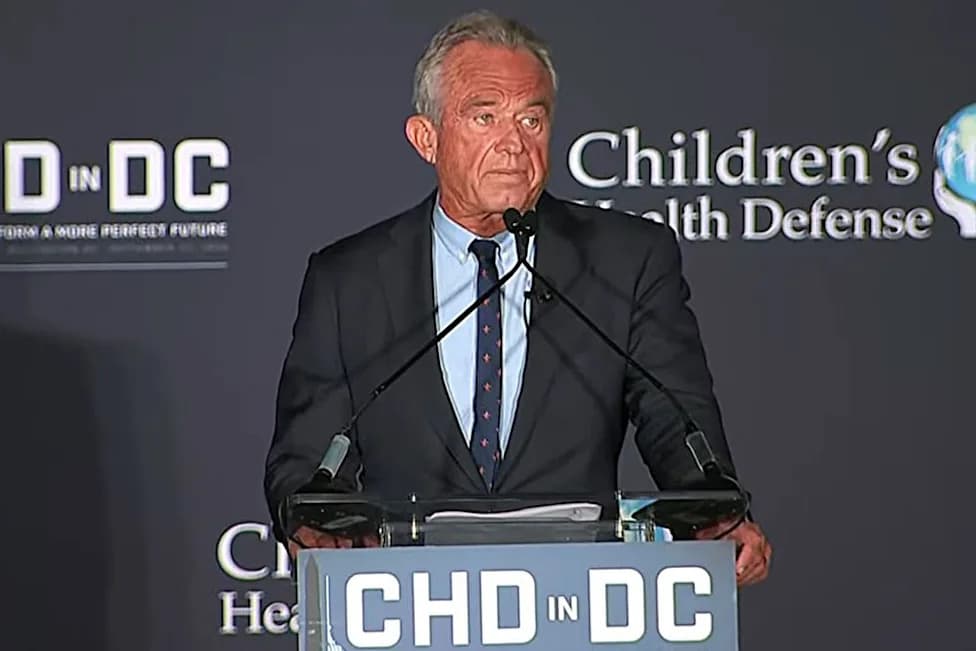
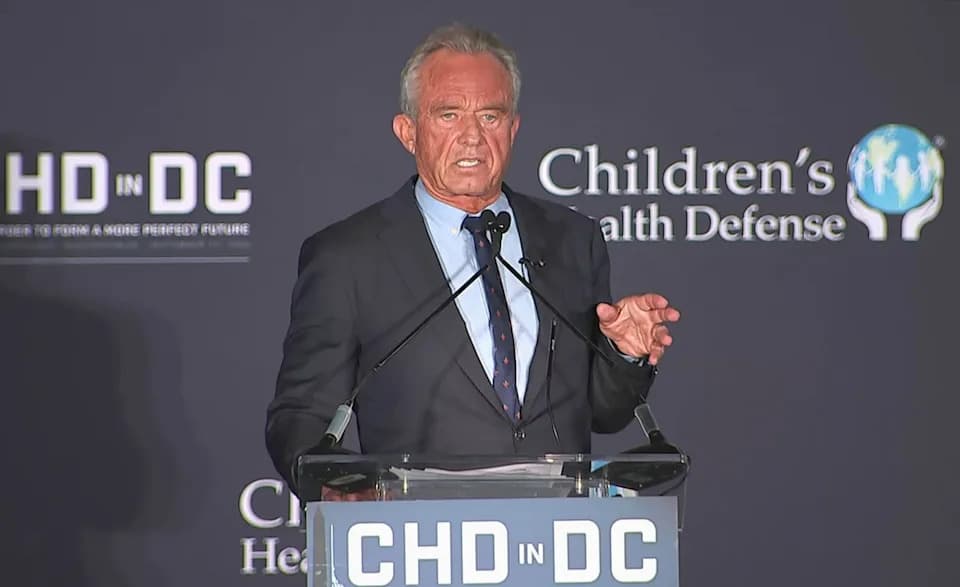
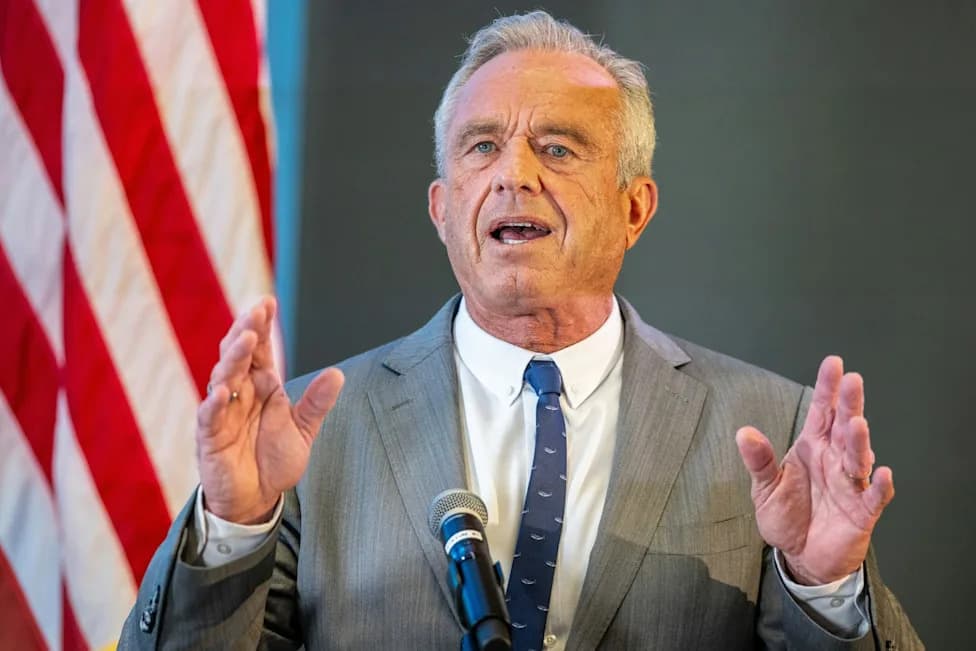
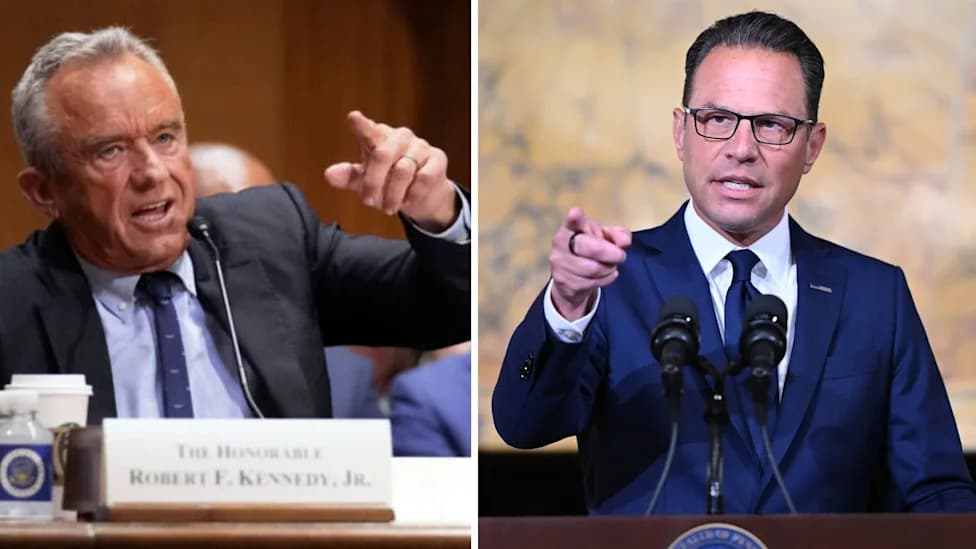
HHS, under Secretary Robert F. Kennedy Jr., closed a public comment period on an RFI that asks whether federal childhood vaccine recommendation categories should be revised. Major public health groups and scholars warned there is no evidence the current framework is unsafe and said vague new categories could create confusion and reduce vaccination rates. The review follows a Trump executive order to revive a childhood vaccine task force and comes amid a sharp measles resurgence, raising concerns that changes without clear evidence and communication could worsen preventable outbreaks.
HHS Under RFK Jr. Signals Major Review Of Childhood Vaccine Guidance — Experts Warn Of Risk
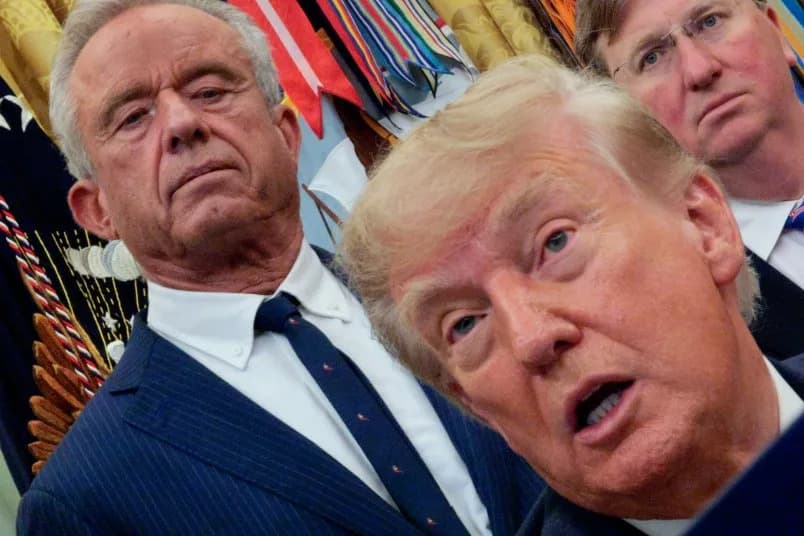
The Department of Health and Human Services (HHS), led by Secretary Robert F. Kennedy Jr., has closed a public comment period on a request for information (RFI) that asks whether the federal framework for childhood vaccine recommendations should be revised. The RFI raises questions about the three existing recommendation types — universal, risk-based, and what HHS calls shared clinical decision-making — and invites input on alternatives and communication approaches.
What the RFI Asked
The RFI sought stakeholder feedback on whether the current categories should remain the same or be altered, and it highlighted principles such as individual autonomy, religious freedom, evidence, and public trust in considering changes to the childhood immunization schedule. It also floated hypothetical alternative categories — for example, recommendations that would explicitly exclude infants or include undefined caveats.
Strong Pushback From Public Health Community
Pediatric advocacy groups, public health scholars, and legal experts warned that altering or introducing ambiguous new categories could undermine vaccine uptake and public health. A coalition including the American Public Health Association, the Robert Wood Johnson Foundation, and Bruce G. Gellin (former deputy assistant secretary for health and former director of the HHS National Vaccine Program Office) wrote that there is no evidence the current framework is unsafe or requires fundamental revision.
“There simply is no basis for the RFI’s implicit suggestion that the current recommendation framework produces unsafe results and needs fundamental revision,” the group wrote, adding that arbitrary new categories without context or evidence would likely cause confusion and missed vaccinations.
Why Experts Say Changes Could Be Harmful
Commenters argued that vague categories and a lack of a clear communication strategy for clinicians, public health systems, and families would create uncertainty. That confusion could erode informed decision-making, increase misinformation, and lead to lower vaccination rates and the reappearance of vaccine-preventable diseases.
Context: Policy Drive And A Measles Resurgence
The RFI follows an August 2026 executive order from President Donald Trump directing HHS to revive a defunct childhood vaccine task force and reassess vaccine guidance for children. The review comes amid a notable rise in measles cases: according to the Associated Press, the U.S. is experiencing its worst year for measles since 1991. Pennsylvania has reported 792 cases and four deaths this year.
The article also reports that Robert F. Kennedy Jr. contested state attribution of two Pennsylvania deaths to measles and succeeded in having those entries removed from the Centers for Disease Control and Prevention measles dashboard; as of Sept. 18 the dashboard listed no measles deaths.
Trust And Communication
HHS emphasized evidence, autonomy, and trust in the RFI. Public commenters from Georgetown University’s McCourt School of Public Policy noted that patients overwhelmingly trust their personal health care providers: a July KFF survey found 86% of respondents trust their own doctor, compared with 51% who trust the CDC and 34% who trust Robert F. Kennedy Jr. The Georgetown comment warned that changes to recommendation categories without solid evidence and clear clinician communication could deepen mistrust and fuel misinformation.
What Comes Next
HHS will review public comments submitted during the RFI period before deciding whether to propose regulatory or policy changes. Public health experts urge that any changes be driven by robust evidence and accompanied by a coordinated communication plan to avoid unintended declines in vaccination coverage.
Help us improve.