A brick-by-brick excavation of the Jiankou section of the Great Wall uncovered a 35-inch, 247-pound Ming-era cannon inscribed "Chongzhen Year 5" (1632), plus soldiers' living spaces, inscribed bricks, botanical and faunal remains, and 28 turquoise artifacts. Analysis suggests European-style influence on cannon design, high-magnesium lime mortar mixed with plant fibers in wall construction, and long-distance trade links to Hubei, Henan, and Shaanxi. Together the finds illuminate both military practices and everyday life on the Wall.
Ming-Era Cannon and 28 Turquoise Treasures Unearthed in Jiankou Section of the Great Wall
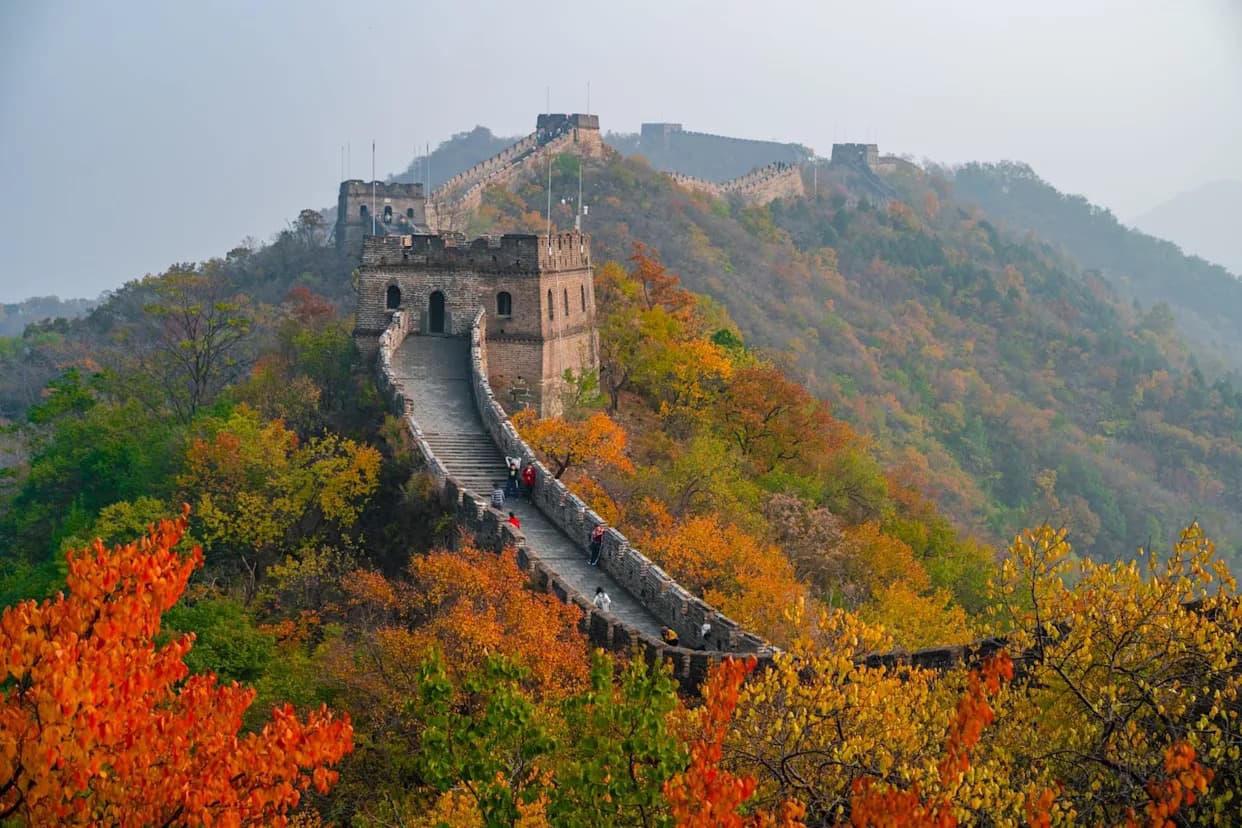
Archaeologists Found Artifacts In the Great WallTwenty47studio - Getty Images
Archaeologists working on a brick-by-brick restoration of the Jiankou stretch of the Great Wall, north of Beijing, have revealed a remarkable assemblage of military and domestic artifacts — chief among them a large, well-preserved Ming Dynasty cannon dated to 1632.
The Cannon: A Tangible Link to 17th-Century Warfare
The bronze cannon, inscribed with "Chongzhen Year 5" (1632 C.E.), measures about 35 inches long and weighs roughly 247 pounds. Its barrel dimensions and overall form resemble European-style "red-coat" cannons, and it fits the battery platforms on the battlements, suggesting this caliber and design were used routinely on watchtowers. Shang Heng, an associate research fellow at the Beijing Institute of Archaeology, said the inscription and intact form offer new material evidence for study of Ming-era manufacturing and military technology.
Daily Life in the Watchtowers
Excavations of three watchtowers and the connecting wall segments revealed well-preserved storage and living spaces. In Watchtower 118 archaeologists found a heated brick bed and a stove that illuminate how garrison troops kept warm and prepared food. Watchtower 117 contained an inscribed monument dated to 1573 C.E., providing a construction or use-date marker for that part of the Wall.
Construction Techniques and Workers' Voices
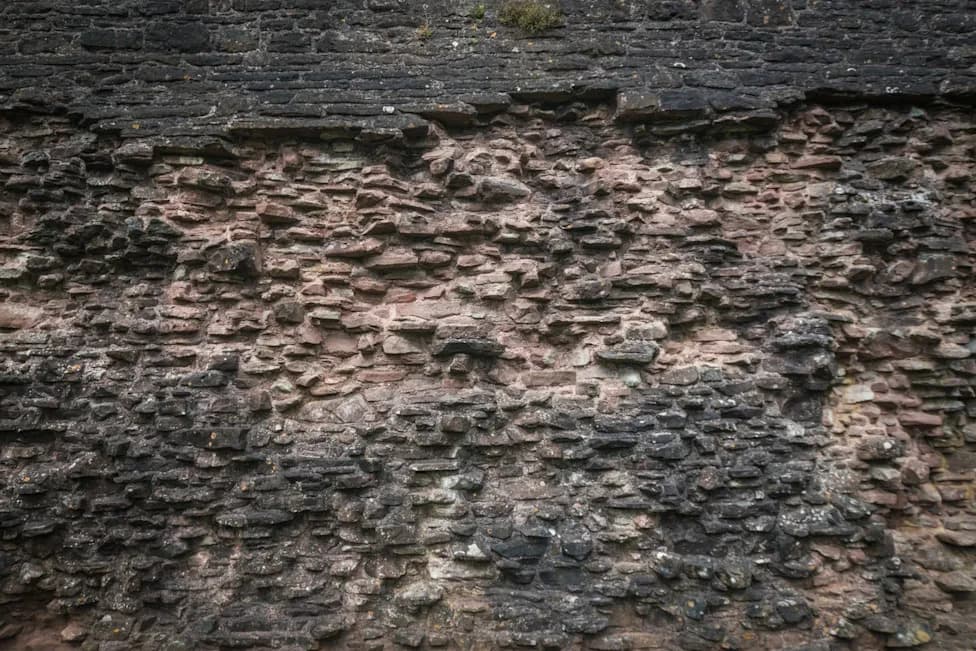
Three inscribed bricks yielded surprising details. Two record weight specifications — evidence that challenges prior assumptions about Ming-era kiln operations and brick handling. Analysis of the wall mortar identified a high-magnesium lime mixed with plant fibers, a formulation that improved adhesion and sheds light on period construction practices. A third brick bears a personal, graffiti-like inscription translated as: "nothing but alcohol or worry; three years of toil turned my hair white," likely scratched by a laborer and offering a human glimpse into the costs of building the fortification.
Food, Medicine, and Trade Networks
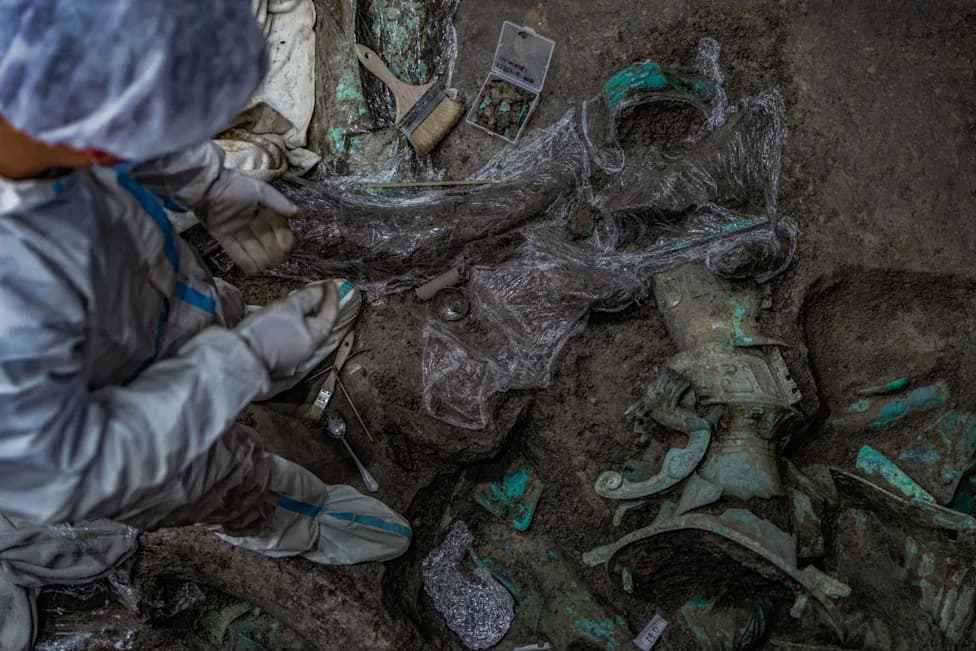
Botanical and faunal remains were abundant. Excavators cataloged crops and medicinal plants that reveal aspects of local diets and medical knowledge, while animal bones show the presence of both domesticated and wild species and evidence of butchery. Teams also recovered 28 turquoise artifacts; early sourcing points to mines in Hubei, Henan, and Shaanxi provinces, reinforcing proof of long-distance material exchange across northern China during the Ming period.
"These findings transform the Great Wall from a cold military structure into a living historical landscape integrating defense, cultural exchange, and daily life," said Shang Heng.
Because Jiankou's topography and landscape have changed relatively little since the Ming era, researchers say the site provides an unusually intact snapshot for reconstructive and comparative study of military architecture, craftsmanship, and everyday routines along one of the world's most famous fortifications.
Sources: Excavation announcements by the Beijing Institute of Archaeology; reporting in the Global Times and People's Daily.
Help us improve.